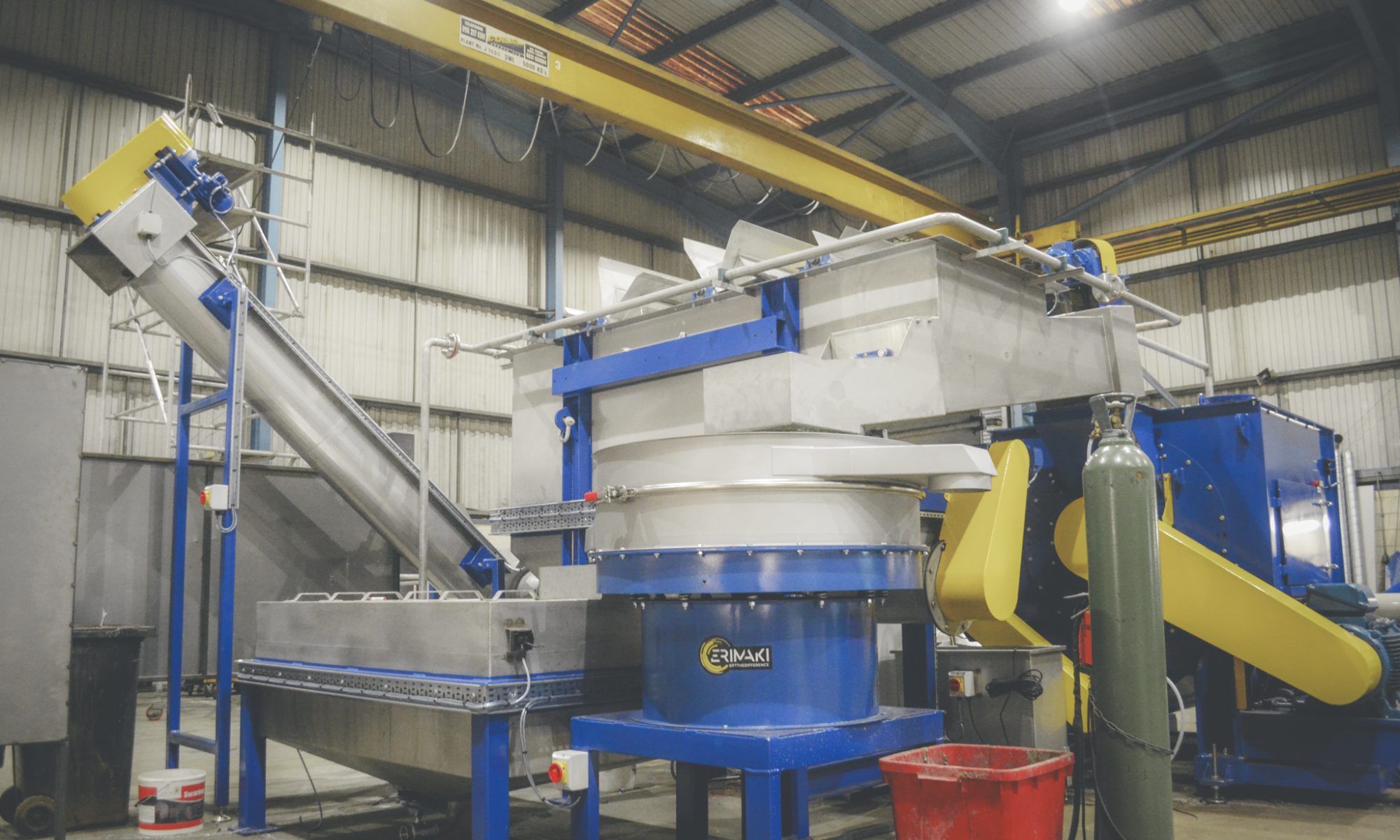
Plastic Washing Systems by Application

Choosing the Right Process for Your Waste Stream

Plastic washing is not one-size-fits-all

One of the biggest mistakes in plastic recycling is assuming the same washing process will work across every waste stream.

It will not.

The right plastic washing system depends on the material type, contamination level, moisture content, throughput target, downstream process, and required output quality. A washing line built for rigid HDPE containers will not behave the same way when faced with contaminated film, food waste plastics, agricultural plastics, or mixed WEEE streams.

That is why process design matters.

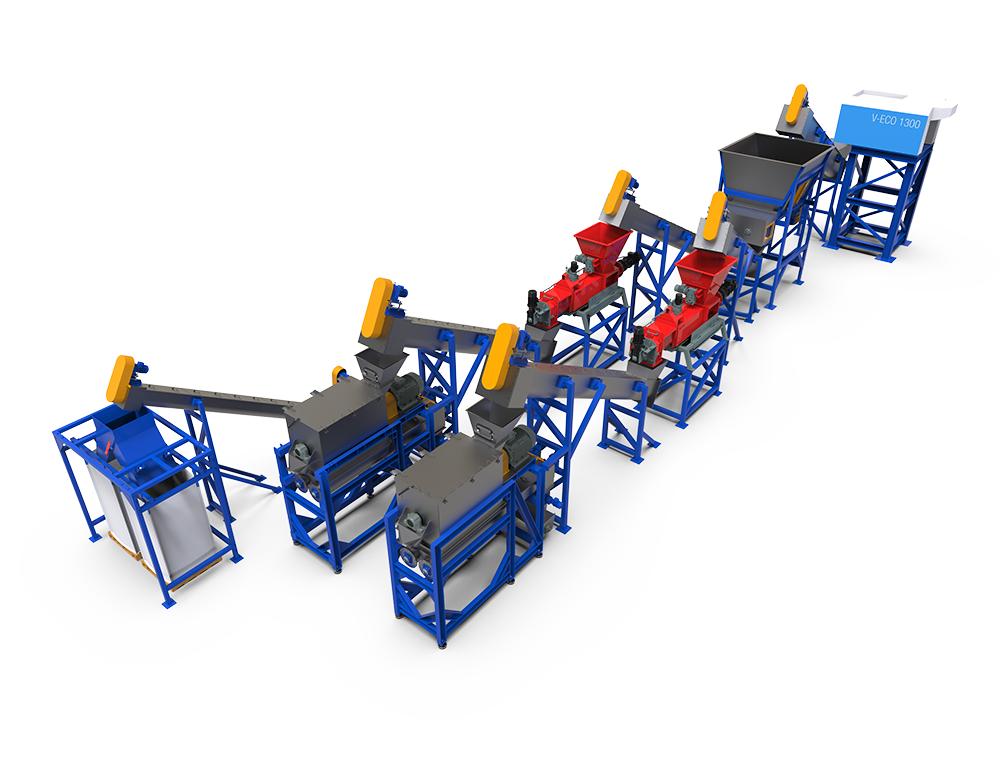
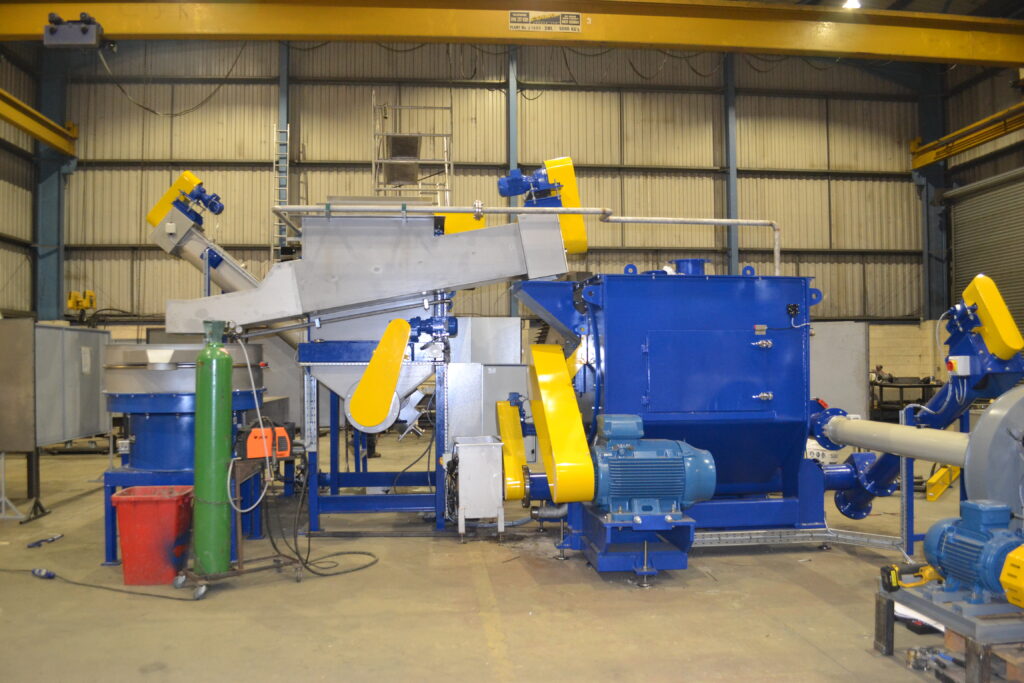
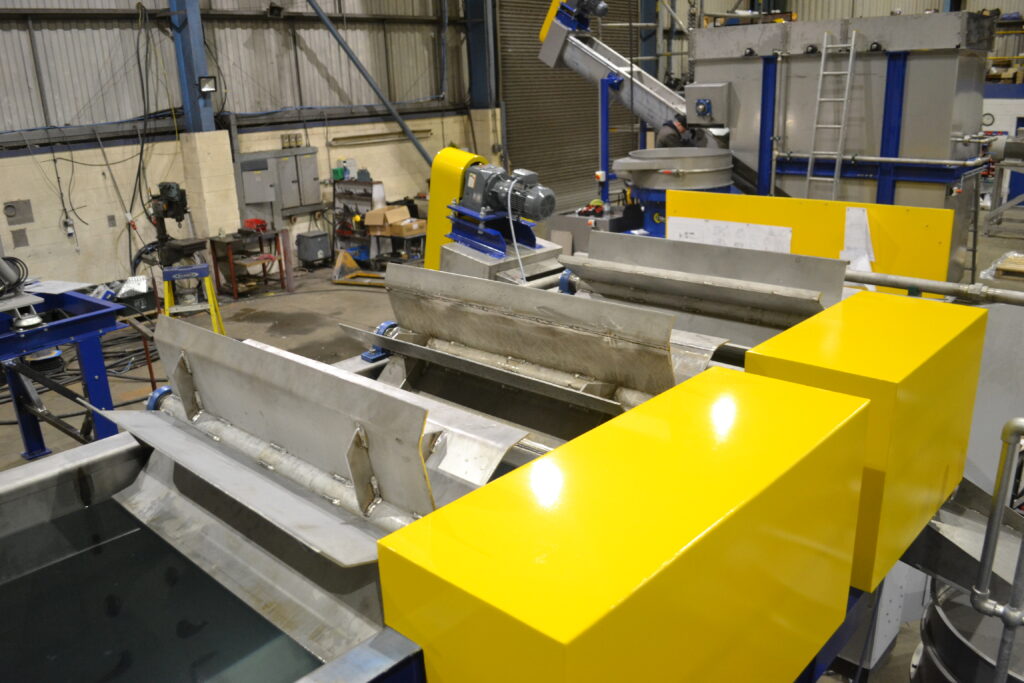
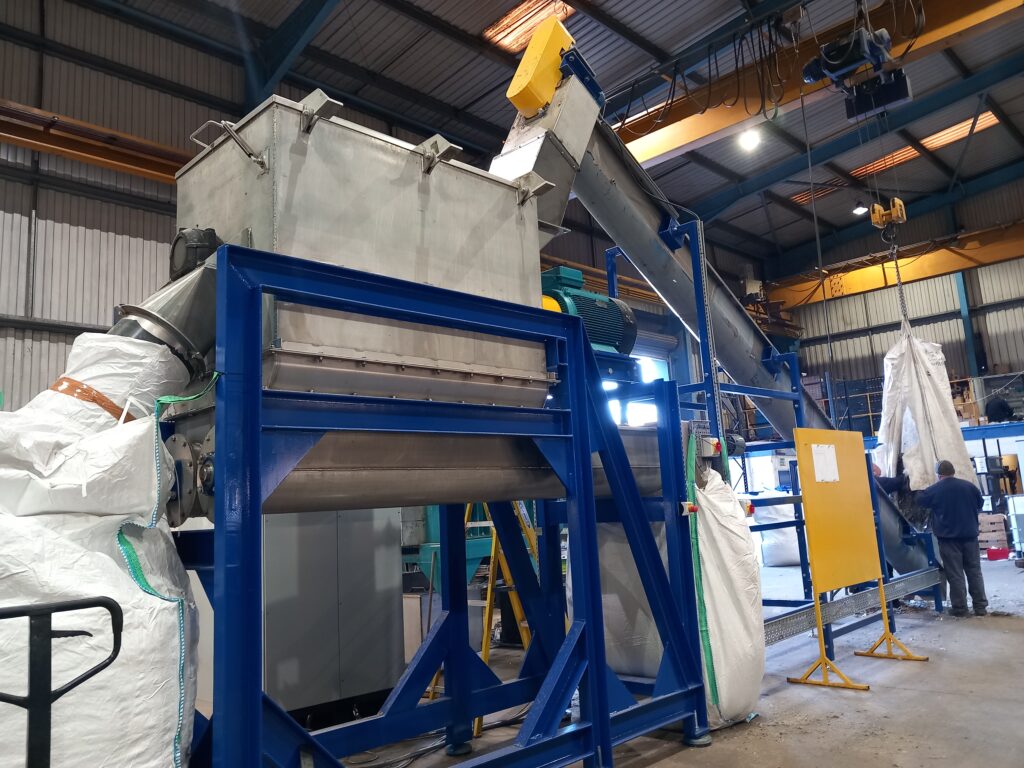
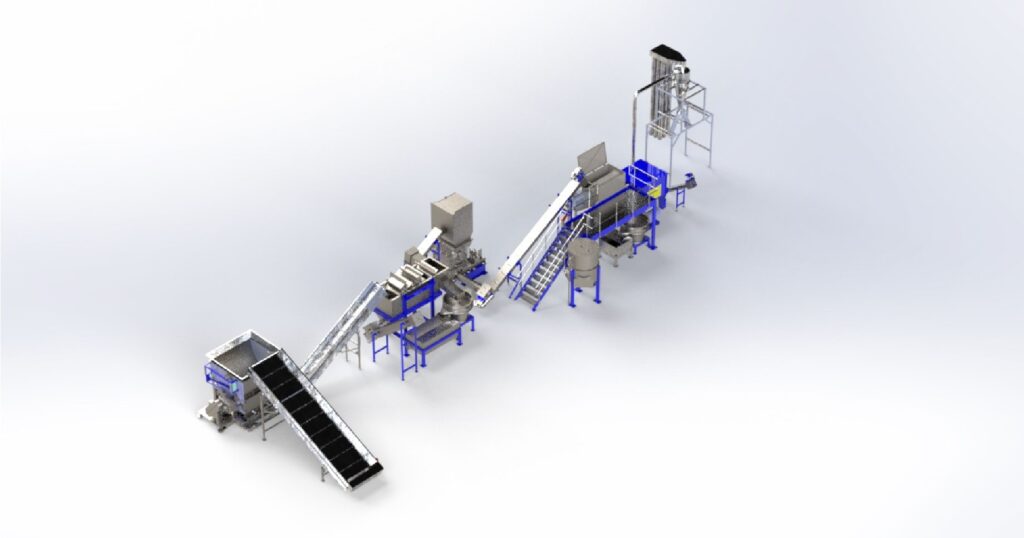
At Rotajet, we focus on engineered plastic washing systems built around the application, not just a collection of standalone machines. Whether the requirement is a full new line, a retrofit to increase throughput, or a more flexible buy or rent route, the process has to match the waste stream.


Why application matters in plastic washing

Different plastics behave differently during washing.

Rigid plastics are generally easier to handle mechanically, but they still carry labels, glue, dirt, oils, and product residue that must be removed efficiently. Films are harder to control, wrap around moving parts, and retain more moisture. Agricultural plastics often arrive loaded with abrasive soil and sand. WEEE plastics introduce mixed polymers and more demanding separation requirements. Food and AD plastics can carry organics, fats, fibres, and liquid contamination that put far greater pressure on the washing process.

That is why choosing a plastic washing line should always begin with the application, not just the capital budget.

A properly matched system can:

  • improve cleaning efficiency
  • increase throughput
  • reduce downtime
  • reduce wear
  • lower water usage
  • improve recyclate quality
  • increase the commercial value of the finished product

Rigid plastics washing systems

Rigid plastics remain one of the most commercially attractive recycling streams. These materials often include HDPE and PP containers, drums, crates, pallets, totes, and moulded components.

Although rigid plastics are usually easier to process than films, they still need a controlled washing process if the goal is clean, high-value recyclate. Typical contamination includes labels, glue, dirt, light organics, and residual product.

A typical rigid plastics process may include:

  • size reduction or granulation
  • friction washing
  • sink-float separation
  • dewatering
  • drying

The exact layout depends on contamination level and final quality target, but the principle stays the same: better washing produces better output.

See Rigid Plastics Recycling Systems.


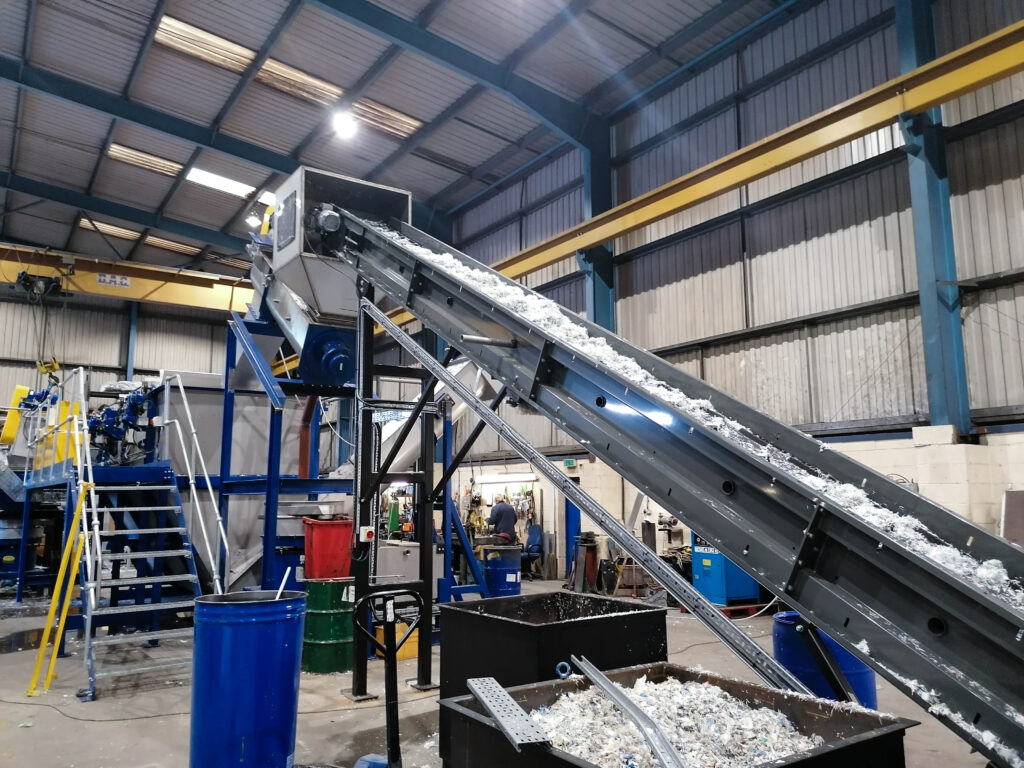
Film washing systems
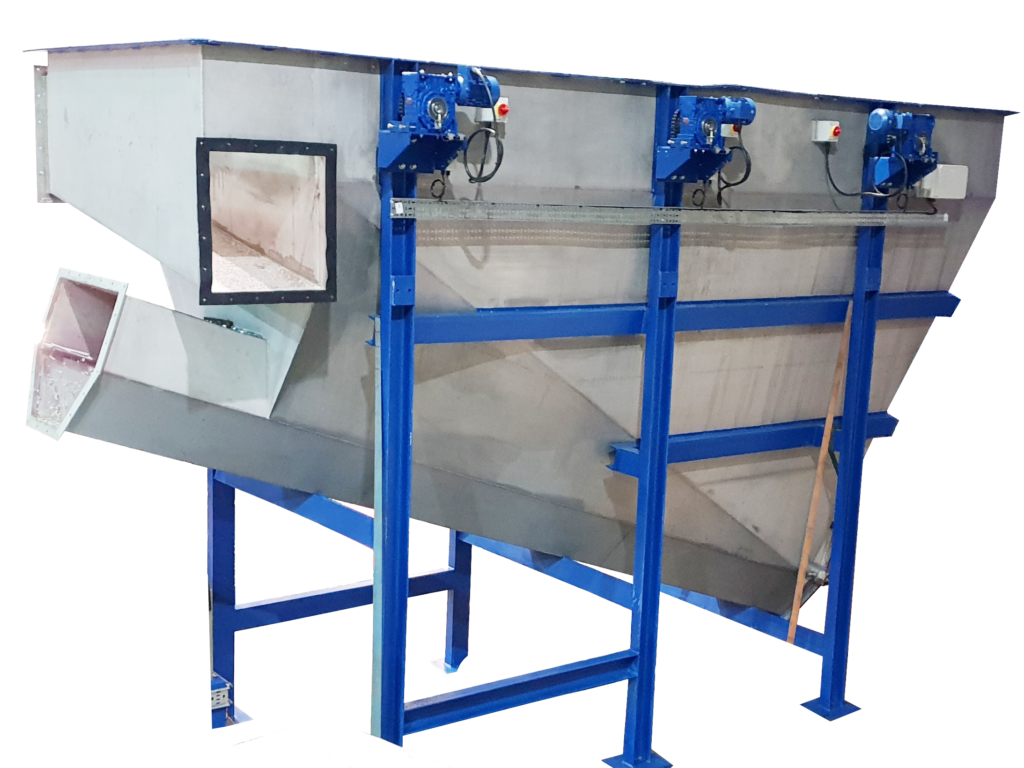
plastic

Film washing is one of the most difficult areas of plastic recycling.

LDPE and LLDPE films are light, unstable, prone to wrapping, and difficult to dry. Poorly designed film washing systems often suffer from blockages, moisture carryover, low throughput, and inconsistent final output.

A successful film washing process often requires:

  • controlled size reduction
  • pre-wash where needed
  • high-intensity friction washing
  • strong water management
  • effective drying

Film cannot simply be treated like rigid plastic. The system has to be designed around the materialโ€™s behaviour.

This is where application-led engineering makes the difference between a washing line that performs commercially and one that becomes a maintenance problem.

See Film Washing Systems.
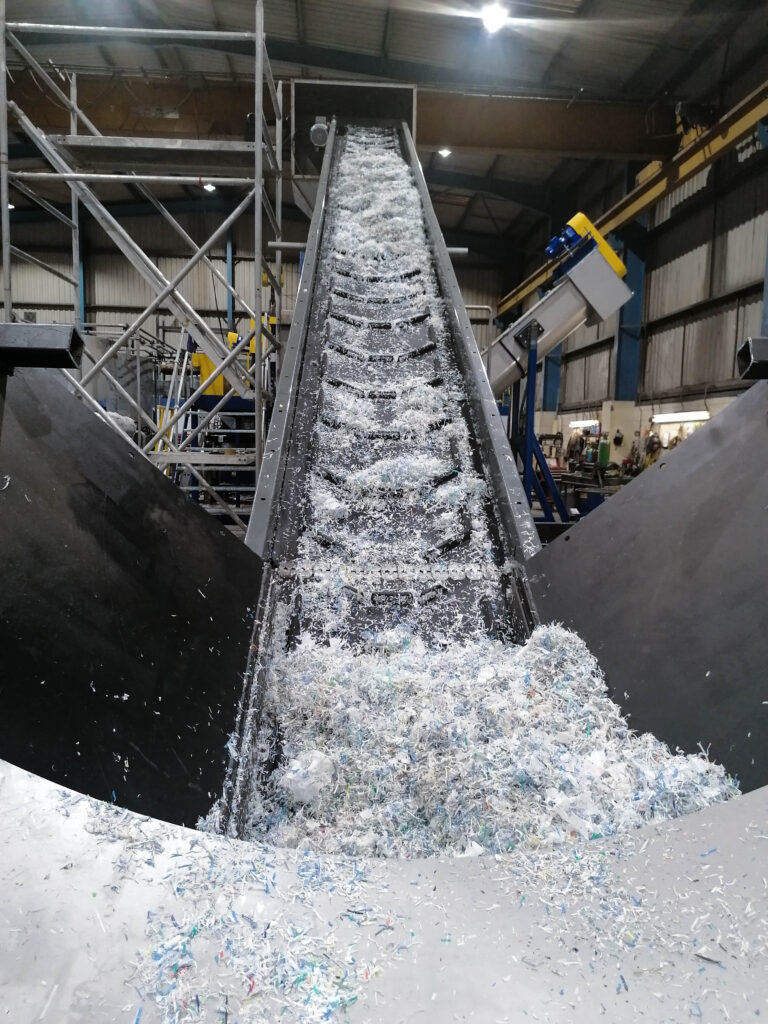

Agricultural plastic washing

Agricultural plastics are among the harshest waste streams to process.

Silage wrap, mulch film, fertiliser bags, and similar materials often arrive with:

  • soil
  • sand
  • moisture
  • organics
  • abrasive contamination

These streams quickly expose weak points in under-specified machinery. Agricultural plastic washing systems usually need robust fabrication, wear-resistant components, strong solids handling, and aggressive washing stages capable of removing heavy contamination without destroying throughput.

The challenge is not only getting the plastic clean. It is also about keeping the line running reliably while dealing with abrasive contamination that causes wear throughout the system.

See Agricultural Plastic Washing Solutions.


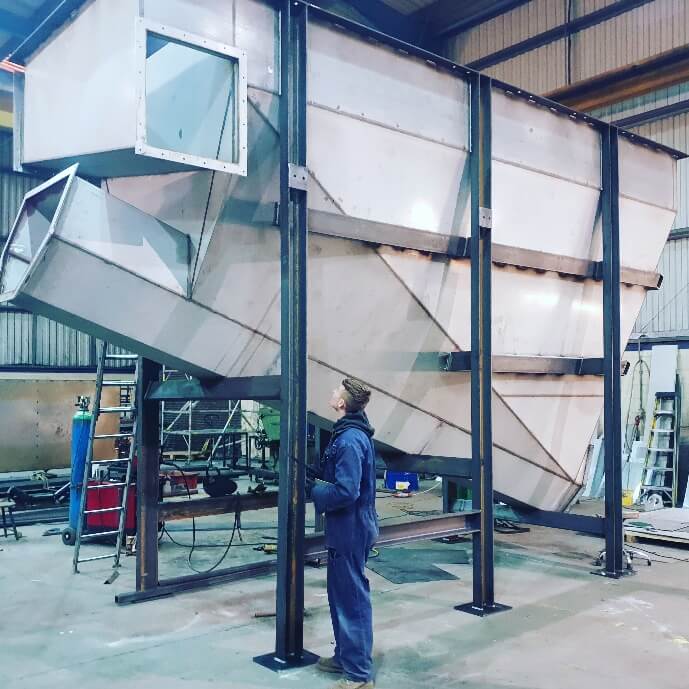
WEEE plastic washing systems

WEEE plastics create a different technical challenge.

These materials come from waste electrical and electronic equipment and often contain mixed polymers, variable densities, and more demanding separation requirements. In this type of application, washing alone is not enough. Separation accuracy and final purity are just as important.
WEEE systems often require:

  • controlled size reduction
  • advanced sink-float separation
  • multiple washing stages
  • accurate process balancing
  • reliable drying

A poorly designed line can reduce output purity, increase losses, and damage the value of recovered material.

See WEEE Plastic Washing Systems.

Where finer grading or separation support is needed, related equipment such as industrial screening and separation systems can also support the wider process.


Food-contaminated and AD waste plastics

Food-contaminated plastics and AD waste plastics are some of the hardest materials to process properly.

These waste streams can contain:

  • oils
  • fats
  • fibres
  • labels
  • liquid residue
  • heavy organic contamination
  • very high moisture levels

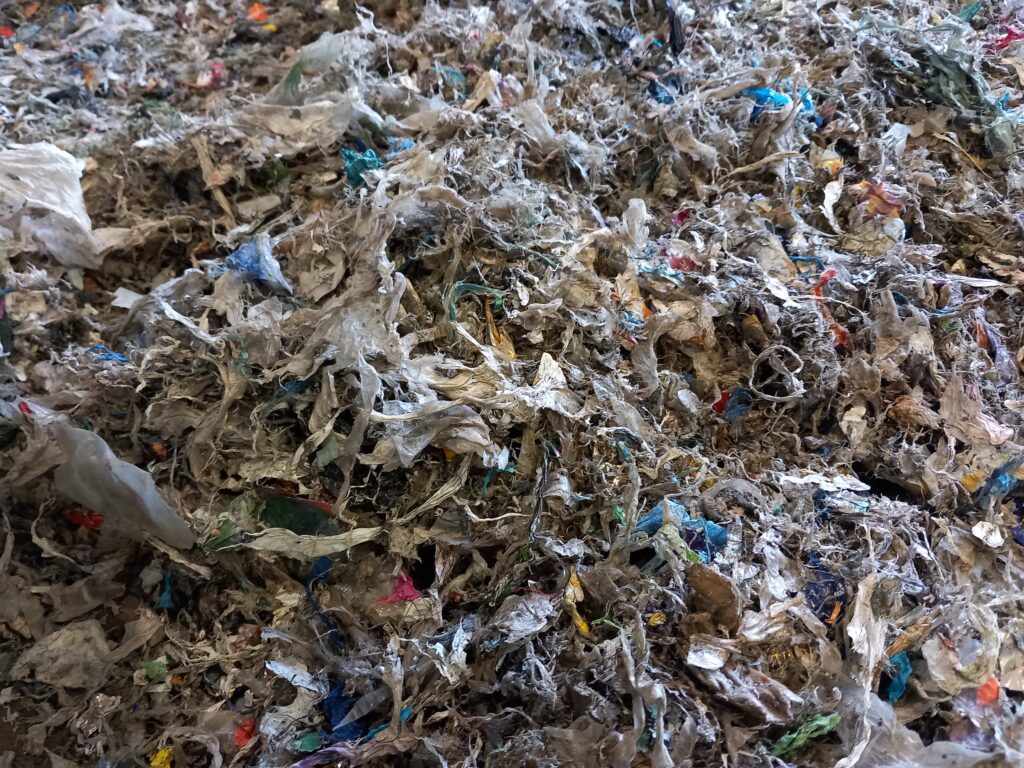
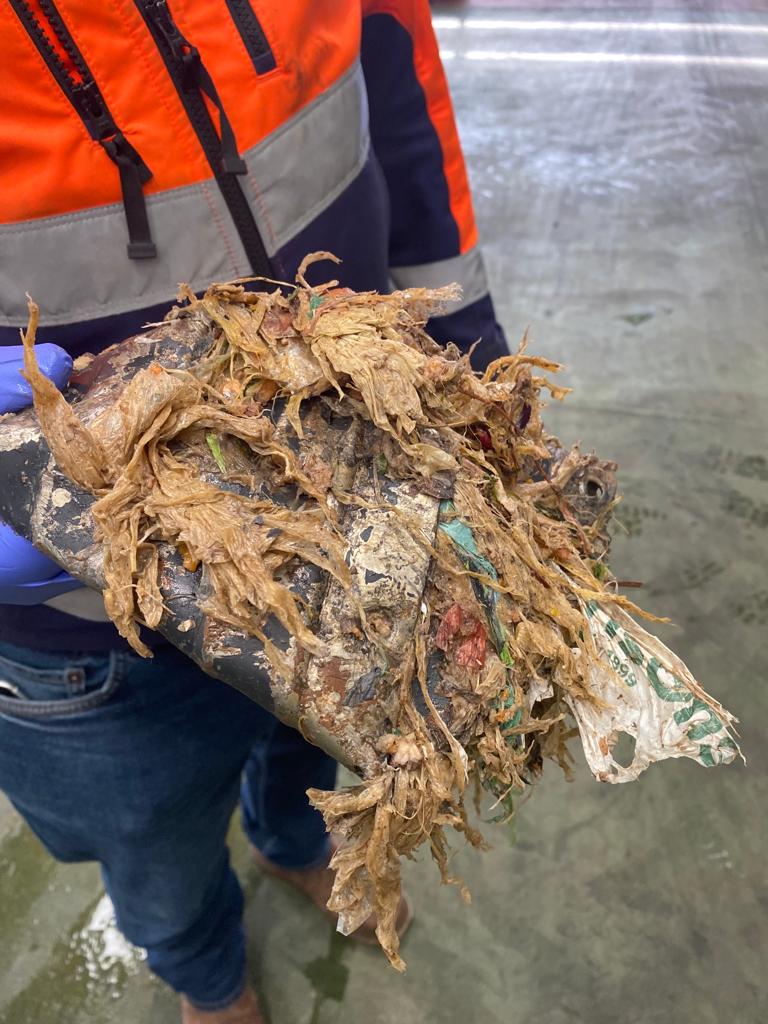
In the AD sector especially, food waste de-packaging can generate heavily contaminated mixed plastics containing up to 50% moisture and 25% organic residue, creating a major recovery and recycling challenge.

This is exactly where a more aggressive washing approach is needed.

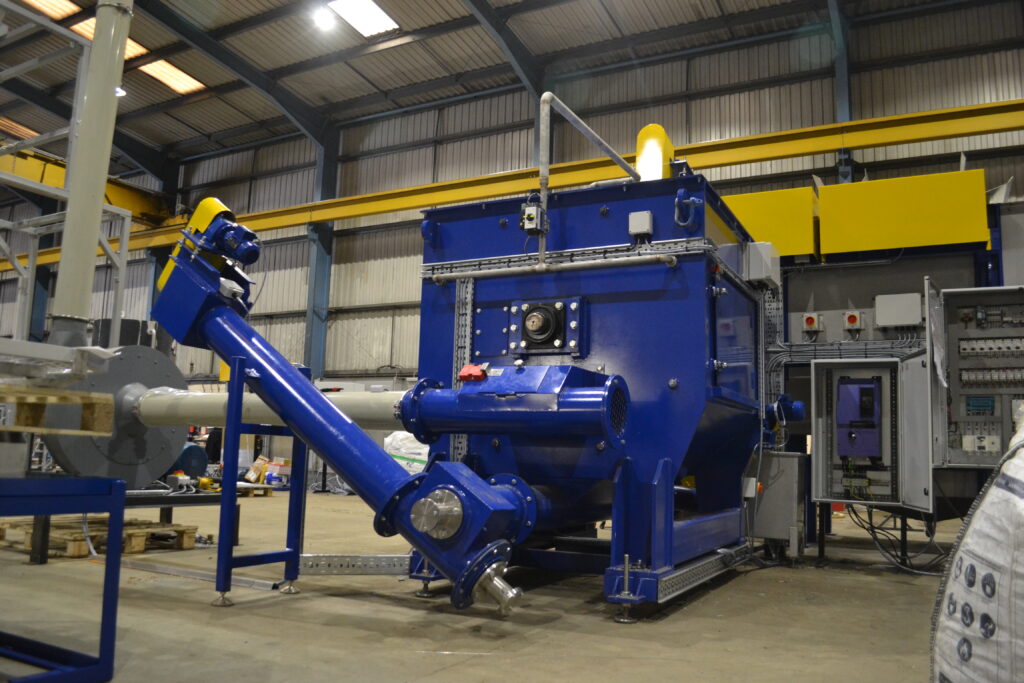
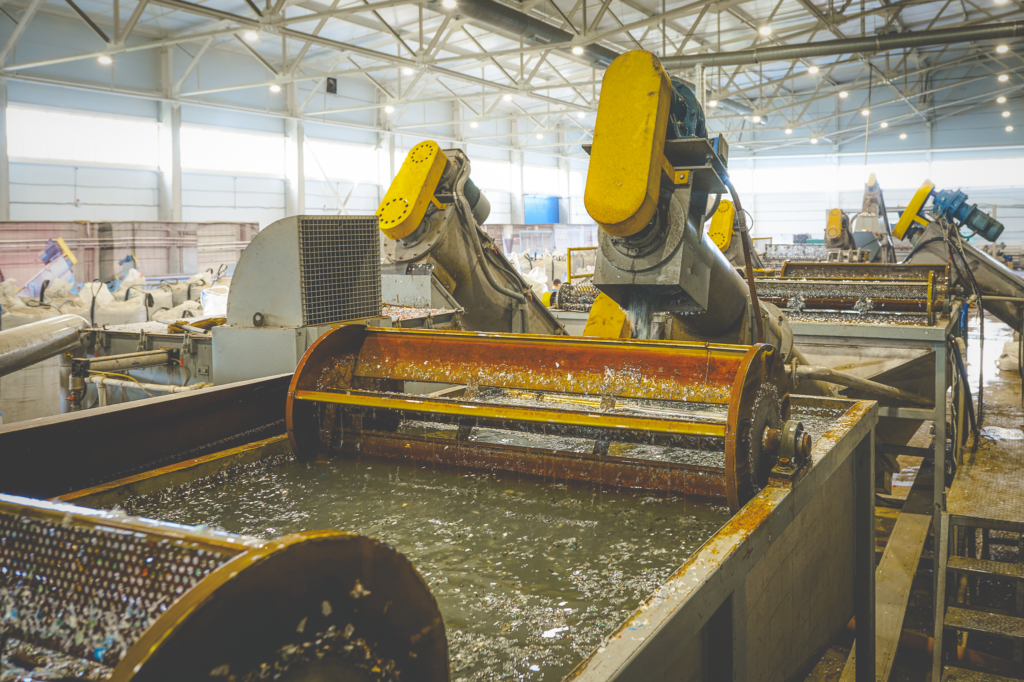
Rotajetโ€™s RJ-Turbo is designed for this kind of duty, using high-speed rotor scrubbing to create intense mechanical shear and friction, helping remove food residues, oils, and fats from mixed rigid and film plastics. The same process also supports solid-liquid separation and closed-loop water operation, helping AD plants reduce water demand while feeding recoverable organics back into the digestion process.

For these applications, standard light-duty washing is usually not enough. The process needs to be engineered around:

  • contamination removal intensity
  • water recirculation
  • solids handling
  • dewatering
  • drying

This is also where knowledge from broader industrial degreasing systems becomes valuable, because oily and organic-rich contamination requires far more than a simple rinse process.


Mixed post-consumer plastic waste

Mixed plastic waste brings variability at every stage.

Material type, contamination profile, moisture content, density, and feed consistency can all change from batch to batch. The more variable the input, the more important it becomes to design the line as a complete, integrated system.

For mixed post-consumer waste, the key priorities are:

  • consistent material presentation
  • strong line balancing
  • flexible process control
  • effective separation
  • reliable drying

In these applications, isolated machines rarely solve the real problem. Integrated process engineering does.

That is why Rotajet approaches plastic recycling machinery as a complete process, not just a machine list.

Key process differences by application

ApplicationMain ChallengeTypical Process Focus
Rigid PlasticsLabels, residues, consistencyGranulation, friction washing, separation, drying
FilmWrapping, moisture retention, contaminationPre-wash, friction washing, controlled drying
Agricultural PlasticsSoil, sand, abrasionHeavy-duty washing, wear resistance, solids management
WEEEMixed polymers, purity, density separationAdvanced separation, controlled washing, process accuracy
Food / AD WasteOrganics, oils, fibres, moistureHigh-intensity washing, water management, dewatering, drying

Retrofitting plastic recycling machinery to improve throughput

Not every customer needs a completely new plastic washing line.

In many cases, the better commercial decision is to retrofit existing recycling machinery and remove the specific bottlenecks that are limiting performance. This can be a faster and more cost-effective route to increasing throughput, improving cleaning efficiency, and reducing operating cost.

Typical retrofit opportunities include:

  • adding or upgrading friction washing stages
  • improving water recirculation and filtration
  • upgrading sink-float tanks
  • improving drying performance
  • replacing worn or underperforming equipment
  • rebalancing the process to improve throughput

A well-planned retrofit can deliver a major performance improvement without the cost of replacing the full installation.

At Rotajet, we work with customers who already have washing systems in place but need to improve output, reduce downtime, or adapt the process to a changing waste stream.


Buy, rent or upgrade

Different operations need different commercial routes.

Buy

Buying is often the right option for long-term processing operations where ownership, dedicated design, and full line optimisation are the priority.

Explore Plastic Washing Systems.

Rent

Renting can be a more flexible option where cash flow matters, demand is seasonal, or a business wants to scale capacity without a full upfront capital commitment.

Across the wider Rotajet group, we also promote flexible rental-led routes for industrial equipment through sites such as DrumWashing.com.

Upgrade

Upgrading existing equipment can be the most commercially efficient route where the main line remains viable but selected stages are holding back throughput, cleaning efficiency, or drying performance.


How to choose the right plastic washing system

Choosing the right system starts with defining the application properly.

Key questions include:

  • What material are you processing?
  • What contamination is present?
  • What throughput is required?
  • What output quality is needed?
  • What utilities are available?
  • How much space is available?
  • Is the project a new line or a retrofit?

Too many systems are selected on headline price alone. In practice, that usually leads to higher operating costs, lower throughput, more downtime, and weaker output quality.

A properly specified process will nearly always outperform a cheaper but badly matched alternative over the life of the plant.


Why Rotajetโ€™s approach is different

Rotajet focuses on process-engineered solutions.

That means understanding:

  • the waste stream
  • the contamination
  • the required output
  • the site constraints
  • the commercial objective

From there, the process can be designed properly, whether that means a full new line, a retrofit to improve throughput, or a flexible buy-or-rent approach.

The goal is not just to supply machinery. The goal is to improve throughput, reduce waste, increase output quality, and make the recycling process more commercially effective.

Explore the full range at PlasticWashing.co.uk.


Related Pages

Conclusion

The right plastic washing system always starts with the application.

Rigid plastics, film, agricultural plastics, WEEE, food-contaminated waste, and AD plastics all place different demands on the process. The more accurately the washing line is matched to the waste stream, the better the results will be in throughput, cleaning performance, output quality, and long-term operating cost.

Whether the requirement is to buy a new line, rent equipment, or retrofit existing machinery to improve throughput, Rotajet focuses on process-led solutions that work technically and commercially.


Frequently Asked Questions

1. What is a plastic washing system?

A plastic washing system is an integrated process used to clean, separate, and prepare plastic waste for recycling into reusable flakes or pellets.

2. Why is plastic washing important in recycling?

Plastic washing removes dirt, labels, oils, food residue, adhesives, and organics, helping improve recycled plastic quality and value.

3. Do all plastics require washing before recycling?

Most post-consumer plastics and many post-industrial plastics require washing before further processing.

4. What plastics can be washed?

Common materials include HDPE, LDPE, LLDPE, PP, PET, ABS, and mixed plastics.

5. What is the output from a plastic washing line?

The output is usually clean plastic flakes suitable for extrusion, pelletising, compounding, or reuse.

6. What is a friction washer?

A friction washer uses mechanical scrubbing at high speed to remove contamination from plastic surfaces.

7. What is sink-float separation?

Sink-float separation uses density differences in water so some materials float while others sink.

8. How does a plastic washing line work?

A typical line combines size reduction, washing, separation, dewatering, and drying into one integrated process.

9. Why is water used in plastic washing?

Water helps loosen contamination, flush debris away, and support density-based separation.

10. What is thermal drying?

Thermal drying removes residual moisture after washing and dewatering.

11. What is the best process for rigid plastics?

Rigid plastics are commonly processed through granulation, friction washing, sink-float separation, and drying.

12. How are plastic films washed?

Film washing usually requires pre-washing, controlled size reduction, friction washing, and specialist drying to control wrapping and moisture retention.

13. Can agricultural plastics be recycled effectively?

Yes, but they often need heavy-duty washing systems capable of handling abrasive contamination like sand and soil.

14. What are WEEE plastics?

WEEE plastics come from electrical and electronic waste and usually require more advanced separation and washing.

15. How are food-contaminated plastics cleaned?

They are usually cleaned using higher-intensity washing, stronger water management, and more effective drying.

16. Why are AD plastics difficult to wash?

AD plastics can contain very high moisture and heavy organic contamination from food waste de-packaging, making them much harder to clean efficiently.

17. What does the Rotajet RJ-Turbo do?

The RJ-Turbo uses high-speed mechanical friction to remove residues, oils, fats, and organics from contaminated plastics, especially in tough applications like AD waste.

18. Can the RJ-Turbo handle mixed rigid and film plastics?

Yes. The AD datasheet specifically positions it for mixed rigid and film plastics in high-organic waste streams.

19. Can a plastic washing system improve recyclate value?

Yes. Cleaner material generally produces a more valuable and more usable recycled output.

20. What throughput can a plastic washing system achieve?

Throughput depends on material type, contamination, moisture, and overall line design.

21. How can I increase throughput in my existing line?

Typical improvements include upgrading friction washing, improving drying, improving recirculation, and removing bottlenecks.

22. What causes low throughput in washing lines?

Poor material presentation, line imbalance, undersized stages, weak drying, and poor water handling are common causes.

23. Can retrofitting improve performance?

Yes. Many lines can be improved significantly by upgrading specific process stages rather than replacing the full system.

24. What moisture level should plastic have after washing?

That depends on the downstream process, but lower residual moisture usually improves extrusion and pelletising.

25. How much water does a plastic washing line use?

Water use depends on the application and the system design.

26. Can water be recycled in washing systems?

Yes. Many systems use recirculation and filtration to reduce fresh water demand.

27. How can water use be reduced?

Water use can be reduced through filtration, recirculation tanks, solids removal, and better process control.

28. Is closed-loop water operation possible?

Yes. Closed-loop or partial recirculation systems are often used to reduce water consumption, and the RJ-Turbo AD application specifically supports integrated water recovery.

29. What is the energy consumption of a washing line?

Energy use depends on motor sizes, heating requirements, throughput, and drying stages.

30. Are plastic washing systems environmentally friendly?

They can be, especially when they reduce landfill, recover useful plastics, and improve water efficiency.

31. How much does a plastic washing system cost?

Cost depends on throughput, contamination, automation level, drying requirement, and separation scope.

32. Is it better to buy or rent?

That depends on budget, project length, and production goals. Buying suits long-term ownership, while renting can reduce upfront cost.

33. What is the ROI of a plastic washing line?

ROI depends on material value, throughput, labour input, operating cost, and the quality of the cleaned output.

34. Can I upgrade instead of buying a new system?

Yes. Many customers improve performance through retrofits and line balancing rather than full replacement.

35. What affects system cost most?

Key factors include material, contamination level, throughput, drying, automation, water treatment, and site layout.

36. How often does a washing line require maintenance?

That depends on contamination level, abrasiveness, operating hours, and system design.

37. What are common maintenance issues?

Wear, blockages, screen damage, bearing wear, and water management issues are all common.

38. Can washing systems handle different materials?

Yes, but the process must be designed around the actual material mix.

39. Can plastic washing systems be customised?

Yes. Most serious systems are engineered around the application, contamination, throughput, and available space.

40. Should material trials be carried out before buying?

Yes. Trials are strongly recommended before a major investment in plastic recycling equipment.

Start by exploring the full range at PlasticWashing.co.uk.

Plastic Recycling Machinery UK

Rotajet Separation Systems for Upgrading Existing Plants

The UK plastic recycling industry is evolving rapidly.

Rising contamination levels, mixed polymer streams, and tighter end-user specifications mean that plastic recycling machinery in the UK must now deliver higher levels of separation, consistency, and efficiency than ever before.

Across the UK, many recycling plants already operate with:

  • Shredders and granulators
  • Basic plastic washing lines UK
  • Drying equipment

Yet they still struggle with:

  • Inconsistent recyclate quality
  • High contamination carryover
  • Inefficient water usage
  • Reduced material value

In many cases, the limiting factor is plastic separation machinery UK.

This is why more operators are now choosing to retrofit advanced plastic recycling machinery into existing plants, rather than replacing complete systems.


Why Separation Defines Plastic Recycling Machinery UK Performance

In modern recycling operations, throughput alone is not enough.

Material quality defines profitability.

Without effective plastic separation machinery UK:

  • Mixed polymers reduce recyclate value
  • Contamination affects downstream processing
  • Output becomes inconsistent
  • Processing costs increase
Recycling

Modern systems are now built around:

  • High-intensity plastic washing systems
  • Advanced sink float tanks
  • Integrated water filtration and recirculation

These operate as a multi-stage process, improving quality at each stage.


Rotajet Plastic Recycling Machinery UK โ€“ Built for Retrofit Integration

Rotajet Systems Ltd, based in Wakefield, manufactures plastic washing lines UK and plastic separation machinery UK designed specifically for retrofit applications.

Their systems are modular and integrate into existing plants with minimal disruption.

Key technologies include:

Rotajet focuses on complete process performance, not just individual machines.


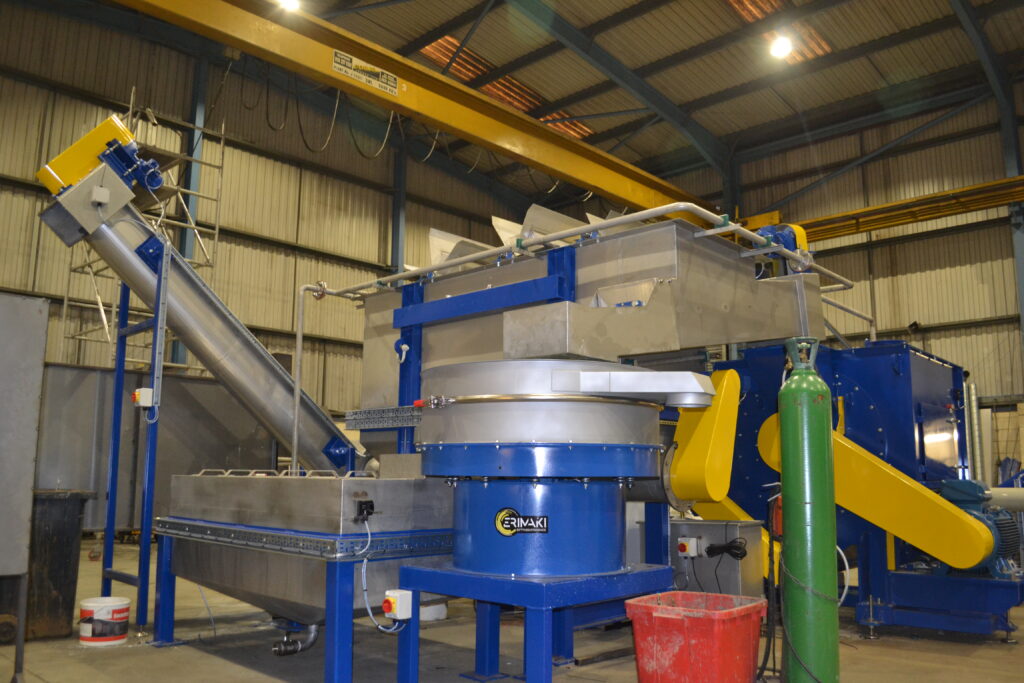
Typical Plastic Washing Line Process in the UK

A modern plastic washing line UK follows a structured process:

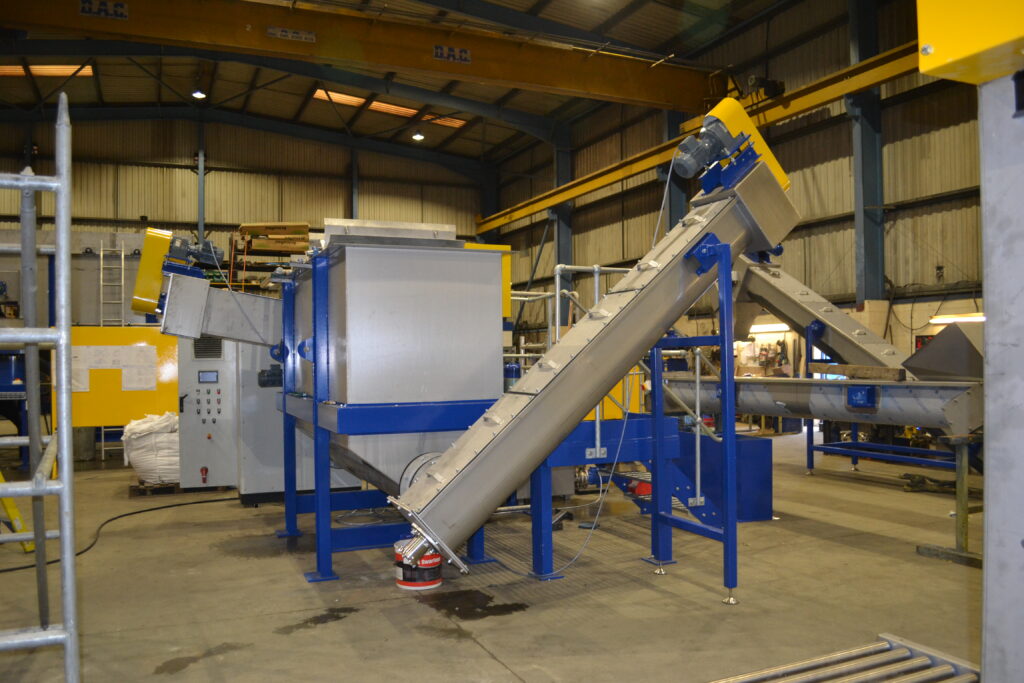
  1. Size reduction (shredding/granulation)
  2. High-intensity washing using a plastic washing system
  3. Density separation using sink float tanks
  4. Water filtration and recirculation
  5. Dewatering and drying

This staged process ensures consistent, high-quality output.


Plastic Recycling Machinery UK: Retrofit Upgrade Options

The table below outlines common retrofit upgrades.

Upgrade TypeEquipmentPurposeBenefitLocation
Washing UpgradePlastic washing systemRemoves contaminationImproves separationPre-wash
Separation UpgradeSink float tanksDensity separationHigher purityMid-line
Filtration UpgradeWater filtration systemsRemoves finesStable processWater system
Full UpgradeCombined systemMulti-stage cleaningMaximum output qualityFull line
Retrofit IntegrationRotajet modulesUpgrade plantLower CAPEXExisting layout

Traditional vs Retrofit Plastic Recycling Machinery UK

FactorTraditional SystemsRotajet Retrofit Systems
CostHighLower
DowntimeHighLow
FlexibilityFixedModular
PerformanceLimitedImproved
Water UsageHigherReduced
ROISlowerFaster

Retrofitting is now widely seen as the most practical upgrade route.


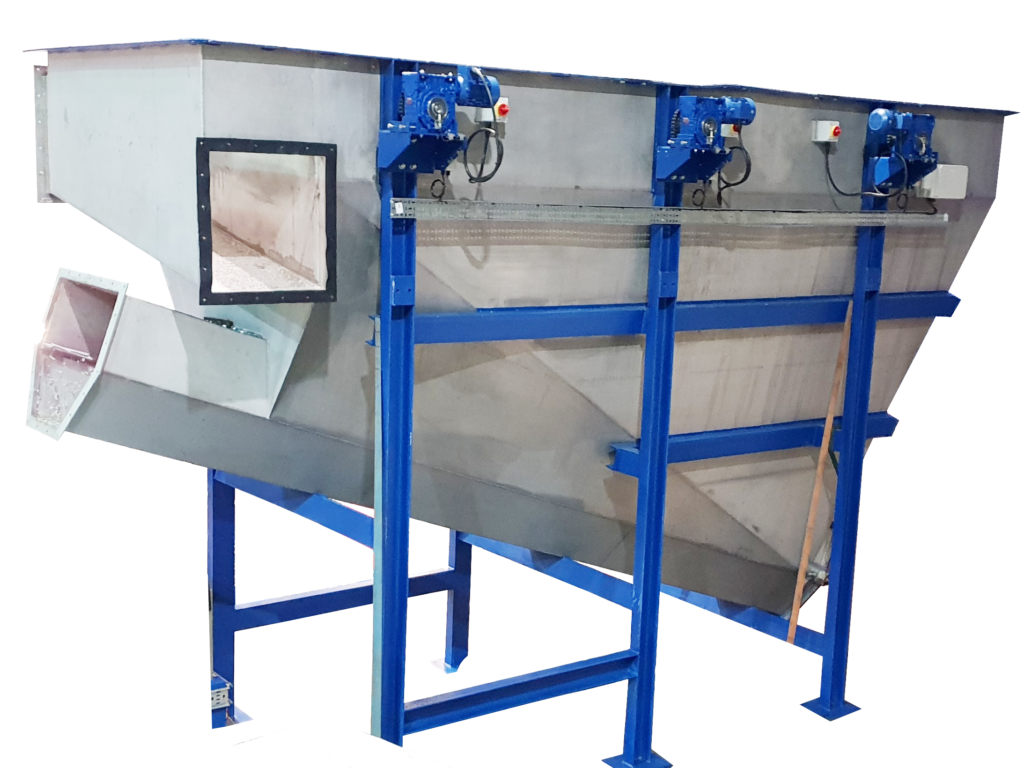
Sink Float Tanks UK: Core Plastic Separation Machinery

Sink float tanks are a key technology in modern recycling.

  • PP and PE float
  • PET, PVC, metals sink

This allows:

  • Polymer separation
  • Contaminant removal
  • Improved recyclate quality

Plastic Washing Systems UK: High-Intensity Cleaning

Effective separation depends on proper cleaning.

High-intensity plastic washing systems remove:

  • Dirt
  • Oils
  • Labels
  • Residues

This improves downstream plastic separation machinery UK performance.


Water Filtration and Recirculation

Water quality is critical.

Rotajet systems integrate:

  • Filtration
  • Screening
  • Recirculation

Supporting systems like screening equipment help maintain stability.


Plastic Recycling Machinery UK by Application

ApplicationMaterialMachineryMethod
FilmLDPEWashing + frictionDensity
RigidHDPE/PPSink floatFloat/sink
PETBottlesSeparation tanksPolymer separation
MixedWasteMulti-stage systemsCombined
IndustrialPlasticsWashing + screeningMechanical

See full plastic recycling applications.


Common Problems in UK Recycling Plants

  • Mixed polymers โ†’ solved by sink float tanks
  • Contamination โ†’ solved by plastic washing systems
  • Water issues โ†’ solved by filtration
  • Low value โ†’ solved by better separation

Typical Retrofit Layouts

  • Add washing stage before existing line
  • Install sink float tanks mid-process
  • Upgrade water system
  • Improve process after size reduction equipment

Modular upgrades allow step-by-step improvement.


Why UK Recyclers Choose Retrofit

  • Lower cost
  • Less downtime
  • Faster improvement
  • Extends plant life

Why Rotajet Plastic Recycling Machinery UK

Rotajet offers:

  • UK manufacturing
  • Modular retrofit systems
  • Proven process solutions
  • Trial facility in Wakefield
  • Buy โ€ข Rent โ€ข Contract flexibility

Industries Using Plastic Recycling Machinery UK

  • Recycling & waste
  • Packaging
  • Agriculture
  • Automotive
  • Food & beverage

UK Regulations and Industry Standards

Plastic recycling is influenced by:

These drive demand for higher-quality separation systems.


Buy, Rent or Retrofit

Rotajet offers:

  • Buy โ€“ full ownership
  • Rent โ€“ reduce upfront cost
  • Retrofit โ€“ upgrade existing plant
  • Contract โ€“ outsource processing

Buy โ€ข Rent โ€ข Contract โ€” flexible solutions


Conclusion

The future of plastic recycling machinery UK is not full replacement.

It is retrofitting advanced separation systems into existing plants

With:

  • Plastic washing systems
  • Sink float tanks
  • Water filtration

Rotajet systems provide a practical, modular solution to improving plant performance.


Frequently Asked Questions

What is plastic recycling machinery UK?
Equipment used to process plastic waste, including washing, separation, and drying systems.

What is the most important part of a recycling line?
Separation systems such as sink float tanks and washing systems.

Can plastic washing lines be upgraded?
Yes, through retrofit solutions.

What do sink float tanks do?
They separate materials based on density.

How do you improve recyclate quality?
By improving washing, separation, and filtration.

Visit Plastic Washing to learn more or to get in contact with us.

How to Remove Oil, Grease & Organic Contamination

Industrial Plastic Washing Systems for Contaminated Plastic Recycling

Plastic recycling facilities increasingly face a major challenge: contamination in plastic waste streams.

Plastic materials recovered from food processing, waste packaging, anaerobic digestion plants, paint container recycling and industrial processes often contain oils, fats, food residues, labels, adhesives and organic contamination.

Contamination

Without effective cleaning, these contaminants can make plastic difficult to process, impossible to pelletise and unsuitable for reuse in manufacturing.

Modern plastic washing systems are therefore critical to transforming contaminated plastic waste into clean, recyclable raw material.

Rotajet Systems Ltd designs and manufactures industrial plastic washing machinery in the UK, engineered to remove heavy contamination and improve plastic recyclability for recycling plants worldwide.

Learn more about industrial plastic washing equipment here:
https://plasticwashing.co.uk


The Challenge of Contaminated Plastic Recycling

Plastic recyclers rarely receive clean feedstock.
Most post-consumer and post-industrial plastics arrive contaminated with substances that must be removed before recycling can occur.
Typical contamination sources include:

โ€ข Waste cooking oil residues
โ€ข Food contamination
โ€ข Organic residues from depackaging plants
โ€ข Paint and coating residues
โ€ข Adhesives and labels
โ€ข Oils and lubricants from industrial packaging
โ€ข Dirt and organic debris

Industry groups such as Plastics Recyclers Europe highlight contamination as one of the largest barriers to improving recycling rates across Europe.

These contaminants reduce the value of recycled plastic and create serious operational challenges during recycling.

Common processing issues include:

โ€ข Poor extrusion quality
โ€ข Pellet contamination
โ€ข Odour problems
โ€ข Reduced melt flow performance
โ€ข Blocked extrusion filters
โ€ข Increased maintenance and downtime

For many recycling plants, plastic washing systems are essential before extrusion or pelletising can take place.


Why Plastic Washing Systems Are Essential in Recycling Plants

Plastic washing systems perform several critical roles within modern recycling operations.

They help to:

โ€ข Remove oils and organic contamination
โ€ข Separate dirt and debris from plastic flakes
โ€ข Improve recyclate purity
โ€ข Reduce odours in recycled plastics
โ€ข Improve downstream extrusion performance
โ€ข Increase the value of recycled plastic pellets

Research from the Waste and Resources Action Programme shows that improving contamination removal significantly increases the value of recycled plastics.


Types of Plastic Washing Technologies

Plastic recycling plants typically use multiple washing stages depending on the level of contamination and material type.


Drum Washing Systems

Drum washing systems are typically used for light contamination removal, particularly when processing plastic containers, packaging and industrial drums before shredding.

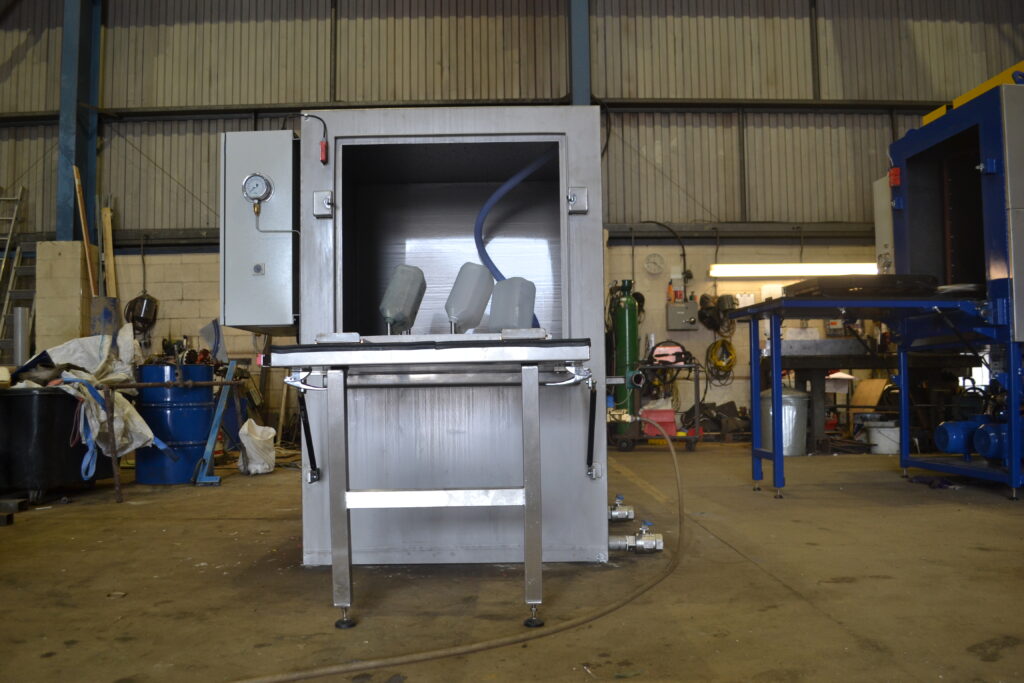
For example, container washing equipment such as the Rotajet container washer can remove surface contamination before plastic size reduction.

Learn more:
https://drumwashing.com/container-washer-rj-cw-9-25/

These machines are often installed alongside plastic recycling washing lines supplied by Rotajet.


Sink Float Separation Systems

Sink-float tanks separate plastics based on density differences.

Polyolefins such as HDPE, LDPE and polypropylene float, while heavier contaminants sink.

This stage is widely used in recycling plants handling mixed plastic waste streams.

Rotajet sink-float separation equipment can be integrated into plastic recycling washing lines.

More information:
https://plasticwashing.co.uk


High-Speed Friction Washing

For heavily contaminated plastics, high-speed friction washing systems provide the most effective cleaning solution.

These machines generate intense mechanical friction to remove:

โ€ข Oils and grease
โ€ข Food contamination
โ€ข Paint residues
โ€ข Adhesives and labels
โ€ข Organic contamination

High-speed friction washing is commonly used in recycling facilities processing plastics from food packaging, waste management operations and anaerobic digestion plants.


High-Speed Friction Washing Technology

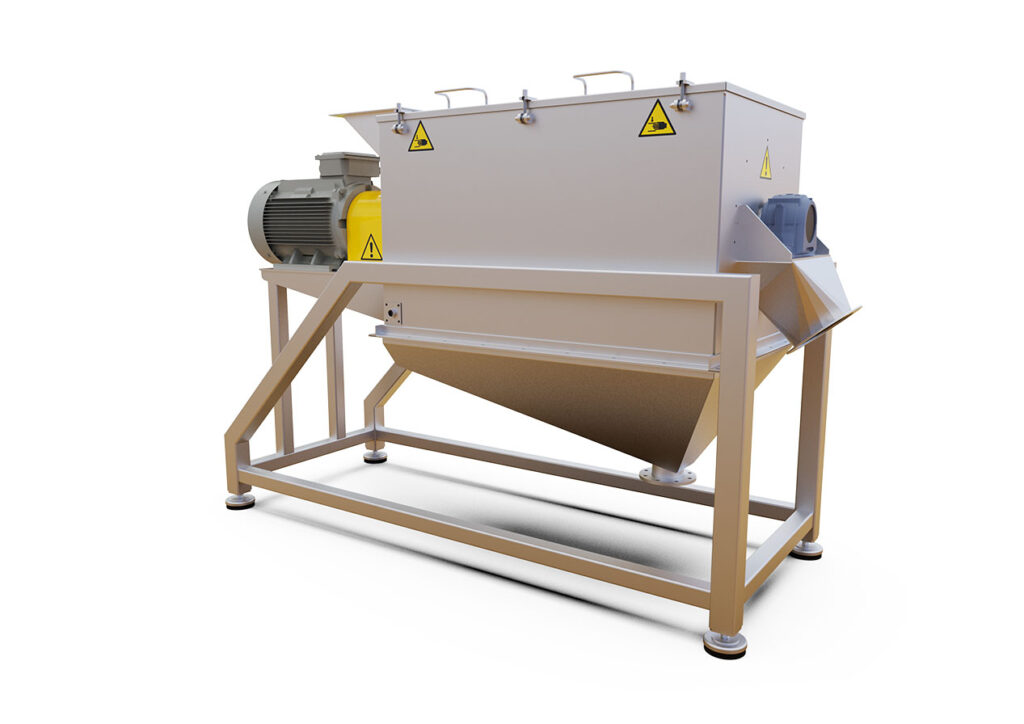
The Rotajet RJ-Turbo friction washer is designed to remove heavy contamination from shredded plastics and plastic regrind.

More details:
https://plasticwashing.co.uk/plastic-washer/

The system uses a high-speed rotor inside a perforated screen basket, creating friction between plastic particles.

During operation:

  1. Contaminated plastic enters the washing chamber
  2. A high-speed rotor accelerates the plastic particles
  3. Plastic flakes rub together creating friction
  4. Contamination is dislodged from the plastic surface
  5. Water flushes contaminants through the basket
  6. Clean plastic exits the machine ready for further processing

This friction washing process removes oils, fats and organic contamination from plastic waste streams, significantly improving recyclability.


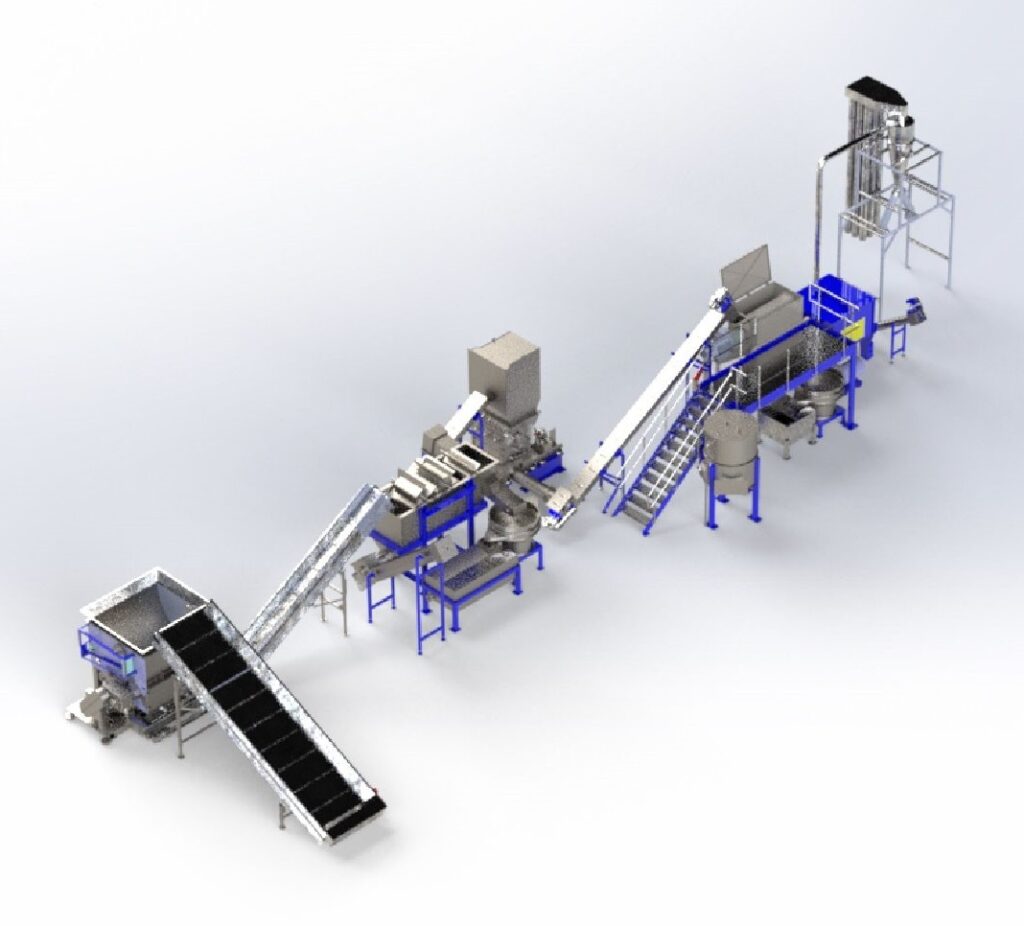
Example Plastic Washing Line Layout

A typical plastic recycling washing line may include:

Material feed hopper
โ†’ Shredder
โ†’ Granulator
โ†’ Rotajet friction washer
โ†’ Sink-float tank
โ†’ Secondary washing stage
โ†’ Mechanical dewatering dryer
โ†’ Material storage silos

Rotajet designs complete plastic washing plants as well as individual machines that can integrate into existing recycling facilities.

Full system overview:
https://plasticwashing.co.uk


Retrofit Plastic Washing Systems into Existing Recycling Plants

Many recycling facilities already operate shredders, granulators or extrusion equipment but struggle with contamination problems.

Rotajet plastic washing systems can be retrofitted into existing recycling plants to improve cleaning performance without replacing the full recycling line.

Typical retrofit upgrades include:

โ€ข Installing friction washers
โ€ข Adding sink-float separation systems
โ€ข Integrating water filtration equipment
โ€ข Improving contamination removal stages

This approach allows recycling plants to upgrade material quality while maintaining existing infrastructure.


Paint Pot and Paint Container Recycling

Paint pot and paint container recycling is an increasingly important sector in plastic recycling.

Plastic containers used for paints and coatings often contain:

โ€ข Dried paint residues
โ€ข Pigments and fillers
โ€ข Adhesive labels
โ€ข Surface contamination

Industry bodies such as the British Coatings Federation promote improved recycling of paint packaging.

Plastic washing systems manufactured by Rotajet can help clean:

โ€ข HDPE paint containers
โ€ข Plastic paint pots
โ€ข Coatings containers
โ€ข Construction chemical packaging

High-energy washing stages remove:

โ€ข Paint residues
โ€ข Pigments
โ€ข Labels
โ€ข Surface contamination

This allows clean HDPE plastic to be recovered and recycled into new products.


Anaerobic Digestion Plastic Recycling

Another challenging plastic waste stream comes from food waste depackaging systems used in anaerobic digestion plants.

These plastics are contaminated with:

โ€ข Food residues
โ€ข Organic waste
โ€ข Liquids and fats

The Anaerobic Digestion and Bioresources Association highlights the importance of recovering plastics from organic waste streams.

High-speed friction washing systems can remove organic contamination from these plastics and significantly improve recycling performance.


How Clean Does Plastic Need to Be Before Extrusion?

Plastic washing is not only about appearance โ€” it is about producing a consistent feedstock for extrusion and pelletising.

If contamination remains on plastic flakes it can lead to:

โ€ข unstable extrusion
โ€ข blocked melt filters
โ€ข poor pellet quality
โ€ข odour problems
โ€ข lower product value

This is why many recycling facilities install a Rotajet friction washing stage before pelletising.

By removing oils, paint residues and organic contamination, plastic washing systems help produce cleaner plastic flakes suitable for recycling.


Environmental Benefits of Plastic Washing Systems

Plastic washing systems play an important role in supporting the circular economy.

Benefits include:

โ€ข Increased plastic recycling rates
โ€ข Reduced landfill waste
โ€ข Improved recycled material quality
โ€ข Lower contamination in recycled pellets
โ€ข Reduced environmental impact

Modern washing plants designed by Rotajet can also operate with water recirculation systems to minimise water usage.


UK Manufactured Plastic Washing Machinery

Rotajet designs and manufactures industrial plastic washing machinery in the United Kingdom.

Rotajet equipment is installed in recycling plants across:

โ€ข United Kingdom
โ€ข Europe
โ€ข North America
โ€ข Asia
โ€ข Middle East

Rotajet plastic washing systems are engineered for:

โ€ข Heavy contamination removal
โ€ข Integration with existing recycling plants
โ€ข Industrial processing environments
โ€ข Long operational service life


Buy, Rent or Trial Plastic Washing Equipment

Rotajet offers flexible equipment supply options.

Purchase

Complete plastic washing systems for new recycling plants.

Rental

Rental options allow recyclers to increase capacity quickly.

Material Trials

Material trials can be carried out to determine the most suitable washing configuration.

More information:
https://plasticwashing.co.uk


Frequently Asked Questions

How do you remove oil from plastic recycling?

Oil contamination can be removed using high-speed friction washers, where plastic particles rub together while water removes oils and residues.

What is a friction washer in plastic recycling?

A friction washer is a machine that cleans plastic flakes using a high-speed rotor and screen basket to generate mechanical friction.

Why must plastic be washed before recycling?

Contaminants such as oils, paints, adhesives and food residues can disrupt extrusion and reduce recycled plastic quality.

Can plastic washing systems be retrofitted into existing recycling plants?

Yes. Plastic washing systems manufactured by Rotajet Systems Ltd can be retrofitted into existing recycling lines to improve contamination removal and recyclate quality.

Visit Plastic Washing to learn more, or get in contact with us.

Plastic Recycling Machinery UK

Integrated Filtration Systems Engineered by Rotajet

Modern Plastic Recycling Machinery UK installations are defined by more than washing performance. They are defined by process control.

Without engineered filtration:

  • Organic solids accumulate
  • Polymer fines recirculate
  • Pumps wear prematurely
  • Closed-loop systems destabilise
  • Effluent loads increase
  • Water consumption rises

That is why filtration is engineered directly into Plastic Recycling Machinery UK systems manufactured by Rotajet Systems Ltd.

Rotajet designs and manufactures plastic recycling machinery in the UK, integrating washing, density separation and water filtration into complete industrial systems โ€” not standalone machines.


Why Filtration Is Critical in Plastic Recycling Machinery UK

Plastic recycling plants in the UK process:

  • Post-consumer rigid plastics
  • Film plastics
  • HDPE and PP packaging
  • WEEE plastics
  • AD depackaging waste

During washing, water becomes contaminated with:

  • Organic residues
  • Label fragments
  • Fine plastic particles
  • Sludge and grit

If this contamination is not removed efficiently, Plastic Recycling Machinery UK systems suffer:

  • Reduced washing efficiency
  • Increased maintenance
  • Re-contamination of cleaned flake
  • Higher effluent treatment costs

Rotajet integrates industrial filtration into its UK plastic washing systems to ensure stable and repeatable performance.

Explore integrated washing systems:
https://plasticwashing.co.uk/integrated-systems/


The Integrated Rotajet Plastic Recycling Machinery UK Process

A typical Rotajet Plastic Recycling Machinery UK system operates in a controlled sequence:

Plastic feed enters the high-speed friction washer.
Contaminated water is discharged.
Water passes through vibratory screening filtration.
Clean water is recirculated into the wash stage.
Density separation follows via sink-float technology.
Material is then dewatered and dried.

plastic recycling

Because Rotajet engineers the full Plastic Recycling Machinery UK process โ€” not isolated equipment โ€” hydraulic flow, screening mesh and contamination load are matched precisely.

Specialist screening integration is supported via:
https://www.vibratingsieves.co.uk


Wakefield Trial Capability โ€“ Validate Before Investment

All Rotajet Plastic Recycling Machinery UK systems can be trialled at the Wakefield manufacturing facility.

Trial capability allows operators to:

  • Test real feedstock
  • Measure contamination removal
  • Validate filtration efficiency
  • Optimise screening specification
  • Confirm throughput performance

This ensures Plastic Recycling Machinery UK installations are engineered around proven data โ€” not assumptions.

Trial validation reduces technical and financial risk.


Factory Acceptance Testing (FAT) โ€“ Engineered Before Installation

Before dispatch, every integrated Plastic Recycling Machinery UK system undergoes comprehensive Factory Acceptance Testing (FAT) at the Rotajet Wakefield facility.

FAT includes:

  • Mechanical inspection
  • Hydraulic flow validation
  • Filtration performance verification
  • Electrical system testing
  • Safety compliance checks

Customers may attend FAT before delivery, ensuring full confidence prior to site installation.

Learn more about UK manufacturing capability:
https://rotajetsystems.com


Integrated vs Add-On Plastic Recycling Machinery UK Systems

Not all Plastic Recycling Machinery UK installations are engineered equally.

Some plants operate with:

  • Standalone filtration units added later
  • Imported screening equipment
  • Static filters unable to manage fines
  • No hydraulic matching between wash and filtration stages

This often results in:

  • Recirculated contamination
  • Inconsistent flake quality
  • Excess sludge build-up
  • Increased downtime

By contrast, Rotajet engineers Plastic Recycling Machinery UK systems as integrated processes.

Integrated Rotajet SystemTypical Add-On Setup
Designed with wash plantAdded after install
Flow matched to washerGeneric flow assumptions
Mesh sized from trialsOff-the-shelf screening
FAT-tested before dispatchOn-site modification required
UK engineering supportLimited integration

Integration reduces risk.
Add-ons increase variability.


Buy, Rent or Contract โ€“ Flexible Plastic Recycling Machinery UK Solutions

Rotajet supports multiple commercial pathways.

Buy โ€“ Complete Plastic Recycling Machinery UK Systems

Filtration systems are supplied as part of fully integrated:

  • Plastic washing lines
  • Friction washer installations
  • Sink-float separation systems
  • Closed-loop recirculation packages

All systems can be trialled and FAT-tested prior to dispatch.

https://plasticwashing.co.uk/integrated-systems/


Rent โ€“ Scalable Plastic Recycling Machinery UK Capacity

Rental options support:

  • Short-term processing
  • Commissioning phases
  • Temporary expansion
  • Reduced capital risk

Contract Processing โ€“ Outsource Plastic Recycling Machinery UK Capability

Where investment is not immediately viable, contract washing and filtration services may support ongoing processing requirements.

Why Choose Rotajet for Plastic Recycling Machinery UK?

Rotajet Systems Ltd manufactures Plastic Recycling Machinery UK systems in Wakefield, integrating washing, separation and filtration into engineered industrial solutions.

Working with Rotajet provides:

  • UK-based engineering support
  • Wakefield trial validation
  • Factory Acceptance Testing
  • Integrated system design
  • Long-term operational stability
  • Global supply capability

Rotajet engineers complete Plastic Recycling Machinery UK systems โ€” not isolated equipment.


Frequently Asked Questions โ€“ Plastic Recycling Machinery UK

What makes integrated Plastic Recycling Machinery UK systems different?

Integrated systems are engineered with washing, separation and filtration designed together, ensuring stable water recirculation and predictable performance.

Can Plastic Recycling Machinery UK systems be trialled?

Yes. Rotajet offers Wakefield-based trial capability to validate washing and filtration performance before investment.

What is Factory Acceptance Testing (FAT)?

FAT verifies mechanical, hydraulic and electrical performance before Plastic Recycling Machinery UK systems leave the factory.

Are Plastic Recycling Machinery UK systems available for rental?

Depending on application, systems may be supplied for purchase, rental or contract processing.

Visit Plastic washing to learn more or to get in contact with us.

Sink Float Tanks for Plastic Recycling

High-Performance Density Separation Systems Manufactured in the UK โ€“ Supplied Globally

Modern plastic recycling plants require more than simple flotation tanks. Within a complete https://plasticwashing.co.uk/plastic-washing-lines/, the density separation stage determines final polymer purity, extrusion stability and long-term profitability.

Our industrial sink float tanks are engineered and manufactured in the UK and supplied globally to recycling operations processing rigid plastics, PET flake, film regrind and WEEE materials.

If you are processing:

  • PP / PE rigid packaging
  • HDPE regrind
  • PET bottle flake
  • Mixed post-consumer plastics
  • Engineering polymers
  • WEEE appliance housings

Then your density separation system directly affects:

โœ” Polymer purity
โœ” Filter change frequency
โœ” Pellet resale value
โœ” Water consumption
โœ” Plant uptime


What Is a Sink Float Tank?

A sink float tank separates plastics based on density using water as the separation medium.

Polyolefins such as PP and PE float, while heavier polymers including PET, PVC and ABS sink. This physical separation principle makes density separation one of the most cost-effective purification methods in mechanical recycling.

Material entering the tank is typically size reduced using https://plasticwashing.co.uk/plastic-granulators/ to ensure consistent flake size before separation.


Why Engineered Density Separation Systems Outperform Basic Tanks

In high-throughput recycling plants, basic flotation troughs create instability.

Common issues include:

  • Turbulence remixing fractions
  • Poor retention time
  • Sediment accumulation
  • Polymer crossover contamination
  • Excessive water usage

Prior to density separation, material is commonly processed through https://plasticwashing.co.uk/friction-washers/ to remove labels, fines and contamination.

Our engineered systems incorporate:

โœ” Controlled laminar flow
โœ” Independent float and sink discharge
โœ” Continuous sediment removal
โœ” Heavy-duty stainless construction
โœ” Closed-loop water recirculation

Learn more here:
https://plasticwashing.co.uk/sink-float-tanks-2/


Sink Float Tanks Integration Within Complete Plastic Washing Plants

A sink float tank forms the purification stage between wet washing and drying.

After separation:

For full system design, explore our https://plasticwashing.co.uk/plastic-washing-lines/.


Sink Float Tanks for WEEE Recycling

The WEEE sector presents one of the most demanding separation environments.

Materials processed include:

  • ABS appliance housings
  • HIPS
  • Flame-retardant plastics
  • Mixed engineering polymers
float tanks

Sink float tanks are used to:

โœ” Separate polyolefins from engineering plastics
โœ” Remove mineral contamination
โœ” Improve feedstock value
โœ” Prepare material for electrostatic sorting


Water Efficiency & Closed-Loop Operation

Modern density separation systems integrate into https://plasticwashing.co.uk/plastic-washing-lines/ to reduce freshwater demand and effluent discharge.

Integrated filtration and sediment purge systems reduce operating costs and improve sustainability metrics.


Material Trials Conducted at Our UK Manufacturing Facility

We offer material trials at our UK-based manufacturing facility, allowing customers to test their plastic streams prior to installation.

Trials evaluate:

Float / sink purity
Retention time optimisation
Contamination challenges
Full system integration

Systems are assembled and factory tested in the UK before global shipment.


Manufactured in the UK โ€“ Supplied Worldwide

All sink float tanks are:

  • Engineered and manufactured in the UK
  • Designed for continuous industrial operation
  • Supplied globally
  • Supported with installation and commissioning

UK manufacturing ensures quality control, shorter lead times and long-term technical support.


Frequently Asked Questions

What is a sink float tank used for in plastic recycling?

A sink float tank separates plastics based on density. Polyolefins float while heavier plastics such as PET, PVC and ABS sink, enabling efficient polymer separation within plastic washing lines.

Can sink float tanks process WEEE plastics?

Yes. Sink float tanks are widely used in WEEE recycling to separate engineering plastics from polyolefins and remove mineral contamination before further sorting.

Are material trials available before purchase?

Yes. Material trials can be conducted at our UK manufacturing facility to assess separation performance and optimise system design before installation.

Are the systems manufactured in the UK?

Yes. All systems are engineered and manufactured in the UK and supplied globally.

Visit Plastic Washing to learn more, or to get in contact with us.

Industrial Plastic Washing Plant UK

Rotajet High-Performance Film & Rigid Recycling Systems

Rotajet Systems Ltd designs and manufactures industrial plastic washing systems in the UK for recycling operators worldwide. Rotajet plastic washing plants are engineered specifically for high-contamination post-consumer and commercial waste streams โ€” not ideal laboratory conditions.

Plastic washing

Plastic recycling profitability is no longer determined by bale price โ€” it is determined by wash quality, contamination reduction and moisture control.

Contaminated plastics frequently contain:

  • Organic residue
  • Oils and fats
  • Adhesives and labels
  • Paper fibre
  • Moisture levels exceeding 40โ€“50%

Material quality standards promoted by WRAP and the British Plastics Federation continue to push recyclers toward higher-grade outputs and improved material consistency.

To compete, operators require industrial-grade plastic washing equipment built for real-world feedstock.


Why Many Plastic Washing Lines Underperform

Low-energy wash tanks alone cannot:

  • Remove bonded oils and food residues
  • Break down adhesive contamination
  • Reduce moisture efficiently
  • Prevent film wrapping and blockages
  • Deliver extrusion-grade flake

Plastic streams can contain 50%+ moisture and significant organic contamination. Without aggressive friction washing and controlled dewatering, output quality remains downgraded.

Rotajet plastic washing systems are designed specifically to solve this.


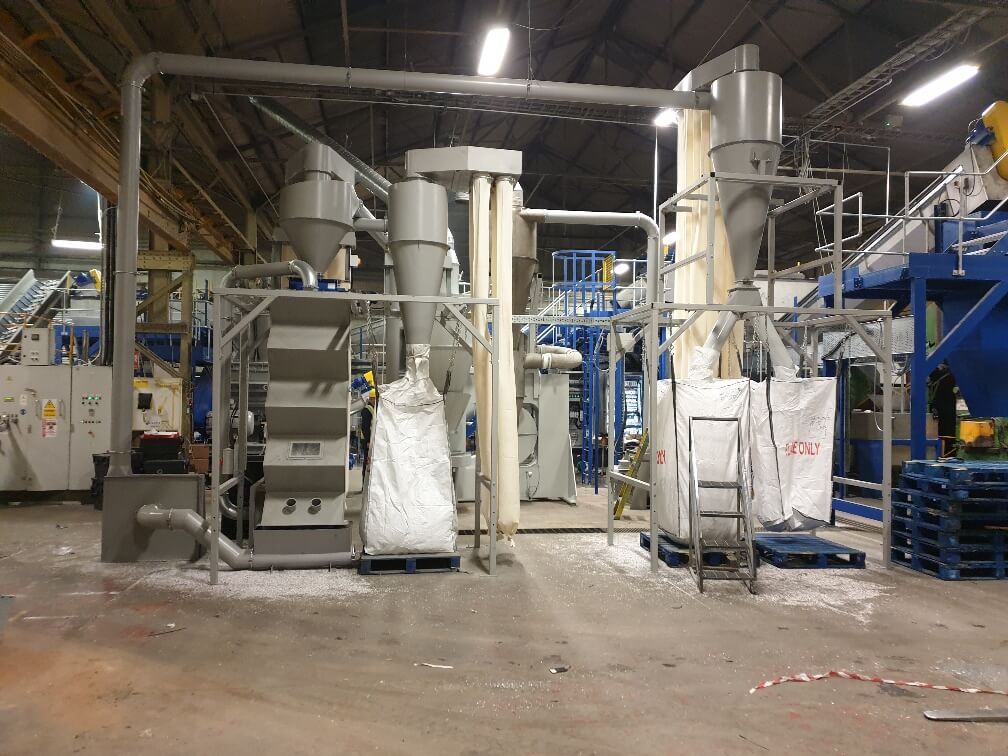
Complete Rotajet Plastic Washing Line Design

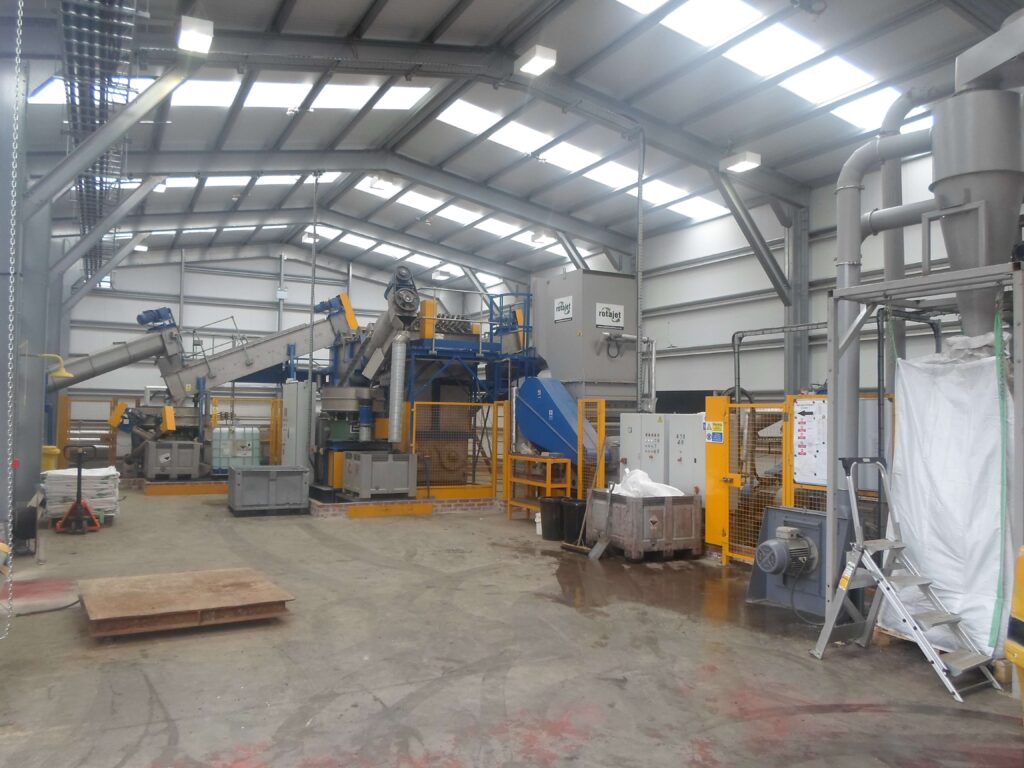
A high-performance industrial plastic washing plant must operate as a fully integrated system.

Size Reduction & Opening

Precision shredding increases surface exposure and prepares film and rigid plastics for effective cleaning.

Size reduction systems:
https://plasticwashing.co.uk/size-reduction/

Typical throughput range:
500 kg/hr to 5 tonnes per hour

High-Intensity Friction Washing โ€“ RJ-Turbo

The core contamination removal stage.

The Rotajet RJ-Turbo friction washer operates at 800โ€“1,200 RPM, generating intense mechanical shear by forcing plastics against a perforated basket and against each other.

This process:

  • Strips oils and surface residue
  • Breaks adhesive bonds
  • Removes organic contamination
  • Improves downstream separation
  • Upgrades flake value

Rotajet RJ-Turbo friction washer:
https://plasticwashing.co.uk/rj-turbo/

This is the stage that transforms contaminated waste into commercially viable recycled polymer.


Sink-Float Separation

Density-based separation isolates polymer fractions and removes heavier contaminants.

Rotajet sink-float systems:
https://plasticwashing.co.uk/sink-float-separation/


Mechanical & Thermal Drying

Rotajet centrifugal dryers reduce moisture to:

  • 8โ€“15% after mechanical stage
  • <3% prior to extrusion (with final drying)

Rotajet mechanical dryers:
https://plasticwashing.co.uk/mechanical-dryers/

Lower moisture = lower energy cost and improved pellet quality.


Closed-Loop Water Systems

Rotajet plastic wash plants integrate filtration and recirculation to:

  • Reduce fresh water demand
  • Minimise effluent discharge
  • Lower operating costs
  • Improve sustainability metrics

Aligned with environmental compliance expectations from UK Government.


Technical Performance Benchmarks

ParameterRotajet Industrial Range
Throughput0.5 โ€“ 5 t/hr
Film CompatibilityLDPE, LLDPE, PP film
Rigid PlasticsHDPE, PP, PET trays
Rotor Speed800โ€“1,200 RPM
Moisture Reduction50%+ to <15% mechanical
Final Moisture<3% before extrusion
Water SystemClosed-loop filtration


Why Choose Rotajet Plastic Washing Systems?

Rotajet Systems Ltd manufactures plastic washing equipment in the UK with full design, build, installation and after-sales capability.

Rotajet systems are engineered for:

  • High-contamination waste streams
  • Modular scalability
  • Retrofit integration
  • Heavy-duty industrial duty cycles
  • Long-term operational reliability

From a single Rotajet friction washer to a complete industrial plastic washing plant, Rotajet provides:

  • Engineering design
  • UK manufacture
  • Installation & commissioning
  • Service & spare parts support

This ensures recyclers are not dependent on overseas suppliers for long-term plant reliability.


Plastic Washing Plant UK โ€“ Engineered for Integration

Operators searching for plastic washing plant UK require:

  • Footprint optimisation
  • Retrofit capability
  • Electrical compatibility
  • Water management integration
  • Reliable UK technical support

Rotajet plastic washing systems are modular, allowing phased investment and scalable expansion as throughput grows.


How Much Does a Rotajet Plastic Recycling Line Cost?

Cost depends on:

  • Required throughput
  • Contamination severity
  • Automation level
  • Water treatment configuration
  • Drying specification

Modular system design allows recyclers to start with core friction washing before expanding to a full plastic washing plant.


FAQ

Who manufactures plastic recycling plants in the UK?

Rotajet Systems Ltd designs and manufactures industrial plastic washing plants in the UK for recycling operators worldwide.

What is the best method for washing contaminated plastic film?

High-speed friction washing combined with density separation and mechanical drying provides the most effective cleaning.

What moisture level is required before extrusion?

Typically below 3% moisture for stable pelletising.

What throughput can Rotajet plastic recycling systems handle?

Systems range from 500 kg/hr up to 5 tonnes per hour depending on configuration.


Visit Plastic Washing to learn more, or get in contact with us.

Inside a Modern Plastic Washing Line

Inside a Modern Plastic Washing Line

Feed Preparation and Size Reduction

The process begins with size reduction, where incoming plastic is shredded and granulated to produce a consistent particle size. Uniform feed material directly improves washing efficiency, separation accuracy, and downstream drying performance. Poor size control leads to uneven cleaning and increased contamination carryover.

Plastic Size Reduction Equipment for Recycling
https://plasticwashing.co.uk/size-reduction/

Plastic Washing

High-Energy Washing and Friction Cleaning

Once size-reduced, material enters the washing stage. High-energy friction washing removes labels, food residues, oils, and ingrained dirt through mechanical action rather than relying solely on chemicals. This approach delivers cleaner flakes while reducing chemical consumption and operating cost.

Plastic Washers & Friction Washers
https://plasticwashing.co.uk/washers/

Density Separation and Contaminant Removal

After washing, plastics pass through sinkโ€“float separation, where materials are separated by density. This stage removes unwanted polymers, fines, and residual contamination, producing a consistent output suitable for extrusion or pelletising.

Water Management and Closed-Loop Operation

Modern plastic washing lines increasingly operate with closed-loop water systems. Integrated filtration and fines removal allow wash water to be reused, significantly reducing fresh water consumption and effluent discharge.

Dewatering and Final Conditioning

Mechanical dewatering and thermal drying reduce moisture content, producing clean, free-flowing plastic flakes ready for reuse or further processing.


Typical Applications for Plastic Washing Lines

  • Post-consumer food packaging
  • Film and rigid mixed plastics
  • HDPE, PP, and PET flakes
  • Heavily contaminated plastics from depackaging

Common Plastic Washing Line Design Mistakes

  • Under-sizing size reduction before washing
  • Relying on chemicals instead of mechanical cleaning
  • Ignoring water recirculation and fines management

Avoiding these issues is critical to achieving consistent output quality and stable operation.


At Rotajet Systems Ltd, plastic washing lines are engineered as complete process systemsโ€”covering size reduction, washing, separation, and water managementโ€”based on real contamination levels and throughput requirements rather than generic layouts.


Frequently Asked Questions

How does a plastic washing line improve recyclate quality?
By combining size reduction, friction washing, separation, and controlled water management to remove contaminants consistently.

What contamination can a plastic washing line remove?
Food residues, labels, oils, dirt, fines, and incompatible polymers.

Is size reduction essential before plastic washing?
Yes. Consistent particle size is critical for effective washing and separation.

How much water does a plastic washing line use?
Modern systems use closed-loop water circuits to minimise consumption and effluent.

Can plastic wash lines be integrated into existing plants?
Yes. Modular washing lines can be integrated into new or existing recycling facilities.

Plastic Washing Machines for Recycling Applications

Plastic Washing Machines for Recycling Applications

Plastic washing

Plastic washing machines are critical in any modern recycling process, directly affecting recyclate quality, yield, and downstream processing efficiency. As contamination levels increase across post-consumer and post-industrial plastics, recyclers need washing systems capable of removing food residues, oils, labels, adhesives, and embedded dirt quickly and reliably.

Rotajet plastic washing machines, engineered and manufactured by Rotajet Systems Ltd, are designed specifically for high-contamination recycling environments. The full range of plastic washing equipment is available at https://www.plasticwashing.co.uk, covering stand-alone washers and complete wash line solutions.

At the core of many installations is the RJ-Turbo high-speed friction washer
https://plasticwashing.co.uk/washers/

This machine uses intense mechanical shear and friction to scrub plastics against themselves and a precision screen basket. The process rapidly dislodges food waste, fats, oils, labels, and ground-in contamination from both rigid and film plastics, producing a significantly cleaner polymer stream.

Rotajet plastic washing systems are designed with water efficiency and operational cost control in mind. Closed-loop water recirculation, integrated screening, and controlled bleed management reduce fresh water consumption and minimise effluent volumesโ€”supporting environmental compliance while lowering OPEX.

These machines are widely used for post-consumer packaging, food-contaminated plastics, agricultural films, industrial scrap, and anaerobic digestion depackaging outputs. Systems can be supplied as individual machines or fully integrated plastic wash lines, with options for outright purchase or rental, allowing recyclers to scale capacity with confidence.


Frequently Asked Questions (FAQ)

What plastics can be washed using Rotajet plastic washing machines?

Rotajet systems are suitable for rigid plastics, films, mixed packaging, agricultural plastics, industrial scrap, and heavily contaminated plastics from food waste and AD depackaging processes.

What is a friction washer and why is it used?

A friction washer uses high-speed mechanical shear to scrub plastics intensively. This method is highly effective for removing oils, food residues, labels, and embedded contamination that conventional rinse systems struggle to remove.

Are Rotajet plastic washing machines water efficient?

Yes. Rotajet machines are designed with closed-loop water recirculation and integrated screening to minimise fresh water use and reduce effluent volumes.

Can the machines be supplied as part of a complete wash line?

Rotajet plastic washing equipment can be supplied as stand-alone units or as part of fully integrated plastic wash lines, tailored to throughput, contamination level, and available space.

Are plastic washing machines available for rental?

Yes. Rotajet offers plastic washing machines for outright purchase or rental. This allows recyclers to trial equipment or add capacity without major capital expenditure.

Visit Plastic Washing to learn more or get in contact

Removing Organics from Waste Plastic

Waste Plastic Contamination

Food waste depackaging within anaerobic digestion (AD) facilities generates plastic packaging heavily contaminated with organic residues. The waste plastic often contain up to 50% moisture and as much as 25% organic contamination, including food residues, fats, oils, sugars, and proteins. Without effective cleaning, this material is routinely rejected by recyclers and diverted to energy recovery or disposal.

waste plastic

To address this challenge, many AD operators are now integrating high-performance plastic washing systems, with high-speed friction washingโ€”such as the RJ-Turboโ€”emerging as the most effective solution for organic-rich plastic waste streams.


Why Organic Contamination Must Be Removed From Waste Plastic

Organic contamination on waste plastics creates multiple downstream issues:

  • Odour and hygiene risks during storage and transport
  • Plastic degradation and biological growth
  • Reduced melt quality during recycling
  • Failure to meet recycler contamination specifications

With increasing pressure from UK Extended Producer Responsibility (EPR) and the EU Packaging and Packaging Waste Regulation, AD operators are required to demonstrate improved recovery and cleanliness of plastic packaging.


Methods for Removing Organic Contamination from Waste Plastic

Cleaning MethodProsCons
Rinse / Spray WashingLow capital cost
Simple installation
Ineffective on fats and oils
High water usage
Inconsistent results
Soak Tanks / Drum WashersSuitable for lightly contaminated plasticsLong cycle times
Limited mechanical action
Poor performance on films
Chemical / Detergent WashingCan remove stubborn residuesHigh operating costs
Chemical handling risks
Increased effluent treatment
High-Speed Friction Washing (RJ-Turbo)Excellent removal of food residues, fats, and oils
Effective for mixed rigid and film plastics
Lower water usage per tonne
Continuous operation
Higher mechanical energy input

High-speed friction washing using the RJ-Turbo has proven particularly effective where contamination levels are extreme and highly variable, as is typical with food waste depackaging.


How the RJ-Turbo Removes Organics from AD Plastics

The RJ-Turbo is engineered specifically for cleaning plastics recovered from food waste depackaging. Contaminated plastics are fed directly into the washer, where a high-speed rotor generates intense mechanical shear and plastic-to-plastic contact. This action dislodges embedded food residues, oils, and fats that cannot be removed by rinsing alone.

Controlled water injection flushes loosened organics through a fixed screen basket, separating them from the cleaned plastics. The organic-rich wash water can then be filtered, treated, or returned to the front end of the depackaging or digestion process.

Designed for AD and Closed-Loop Operation

The RJ-Turbo is designed to:

  • Handle high moisture and organic loading
  • Process mixed rigid and film plastics
  • Integrate with upstream depackaging systems
  • Reduce fresh water consumption through recirculation
  • Support closed-loop operation by returning organics to digestion

This makes the RJ-Turbo particularly well suited to modern AD plants seeking to improve plastic recyclability while maximising biogas yield.


Industry Guidance and Authority References

Improved plastic cleaning aligns with guidance from:


Removing organic contamination from waste plastic packaging is now essential for AD operators. While several cleaning methods exist, high-speed friction washing using the RJ-Turbo provides the most reliable and efficient solution for heavily contaminated plastics from food waste depackaging. By improving recyclability, reducing water consumption, and supporting closed-loop processing, the RJ-Turbo enables AD plants to convert a problematic waste stream into a recoverable resource.


FAQ’S

Can plastics from food waste depackaging be recycled?
Yes, provided organic contamination is effectively removed using mechanical washing such as high-speed friction washing.

Why is friction washing better than rinsing?
Friction washing uses mechanical shear to remove fats, oils, and embedded residues that water alone cannot dislodge.

Can organics removed from plastics be reused?
In AD plants, recovered organics can often be returned to the digestion process, improving biogas yield.

Visit PlasticWashing.co.uk to learn more, or get in contact with us

Why Plastic Washing Drives Recycling Value

Plastic washing is a critical value-adding stage in plastic recycling. This process directly impacts material cleanliness, reusability and compliance with modern packaging regulations. As brand owners, regulators and reprocessors demand higher recycled content and tighter quality specifications; effective plastic washing has become essential for achieving commercially viable recyclable material.

Post-consumer and post-industrial plastics are commonly contaminated with food residues, oils, greases, labels, inks, fibres and ground-in dirt. Without efficient washing, these contaminants lead to odour issues, colour variation, extrusion defects and rejection by end markets.

Advanced plastic washing systems remove these contaminants, enabling recycled plastics to be reused in higher-value applications.


Friction Washers use in Plastic Washing

High-intensity friction washing plays a central role in this process. The RJ-Turbo friction washer, is designed to deliver aggressive mechanical cleaning while remaining flexible across multiple plastic waste streams.

  • Dry washing mode allows the RJ-Turbo to operate as a dry friction washer, removing fibres, dust, paper, labels and loose debris while minimising water consumption.
  • Wet washing mode converts the RJ-Turbo into a high-performance plastic washer, using heated water and specialist cleaning chemicals to remove food contamination, oils and ingrained dirt.
Plastic Washing

Friction washers such as the RJ-Turbo are widely used in PET bottle recycling, HDPE and PP rigid packaging recycling, film washing lines and mixed plastics recovery.


The Importance of Plastic Washing

According to WRAP, the UK handles several million tonnes of plastic packaging waste annually, with contamination identified as a major barrier to higher recycling rates.
https://www.wrap.org.uk/resources/report/plastics-market-situation-report

Global stances on Recycling Plastics

The European Commission is driving higher recycling performance through the Packaging and Packaging Waste Directive and the Circular Economy Act. Both of which place a strong emphasis on material quality and recycled content.
https://environment.ec.europa.eu/topics/waste-and-recycling/packaging-waste_en
https://environment.ec.europa.eu/strategy/circular-economy_en

Industry bodies such as Plastics Europe and British Plastics Federation also highlight washing and decontamination as key enablers for increasing recycled plastic use:
https://plasticseurope.org
https://www.bpf.co.uk/

By investing in advanced plastic washing and friction washer technology such as the RJ-Turbo, recyclers can reduce rejects, meet evolving packaging regulations and significantly increase the value and marketability of recycled plastics.

Visit https://plasticwashing.co.uk/ to learn more or get in touch

FAS ENQUIRY FORM

    JOIN OUR MAILING LIST