From Bin to Brand: What happens to Recycled Plastic

From Bin to Brand: What happens to Recycled Plastics.

Ever wondered what happens to that plastic bottle you diligently throw into the recycling bin?  Let’s take a peek behind the scenes and follow the life cycle of recycled plastics. 

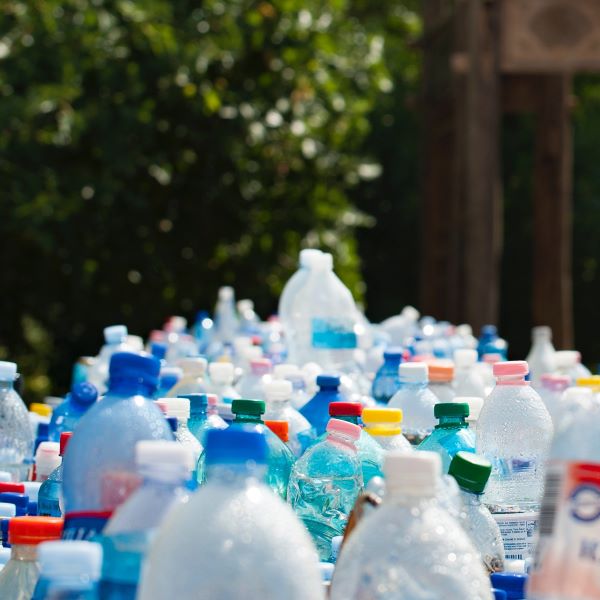
PET plastic recycling bottles
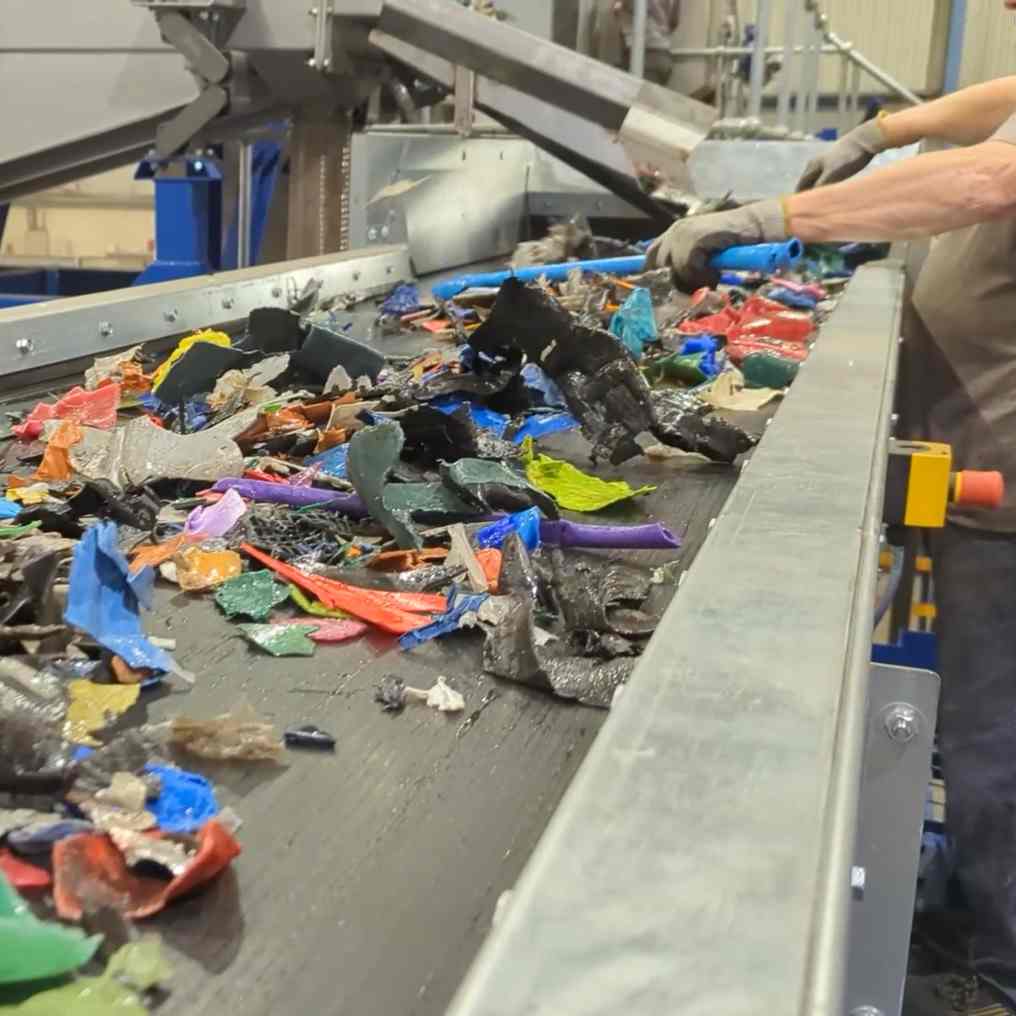
Plastic recycling line to wash and recycle plastics

From Your Curb to the Sorting Facility:

The adventure begins with you! Whether you have curbside pickup or drop off your recyclables at a designated centre, your plastic containers start their journey to a recycling facility. 

Sophisticated machinery and dedicated workers meticulously sort the plastics by type – for example, PET (like water bottles), HDPE (like milk jugs), and PP (like yogurt cups). This sorting is crucial because different plastics require different processing. 

The Transformation Process, From Flakes to Pellets:

Once sorted, the plastics are ready for their makeover. (this is where Rotajet come into play!)

Rotajet Recycling line typical layout

1. Size reduce

First, the plastic must be shredded into small flakes, this increases the surface area and makes the next steps easier. To do this Shredders and granulators are used. These powerful machines break down plastic items into smaller pieces.

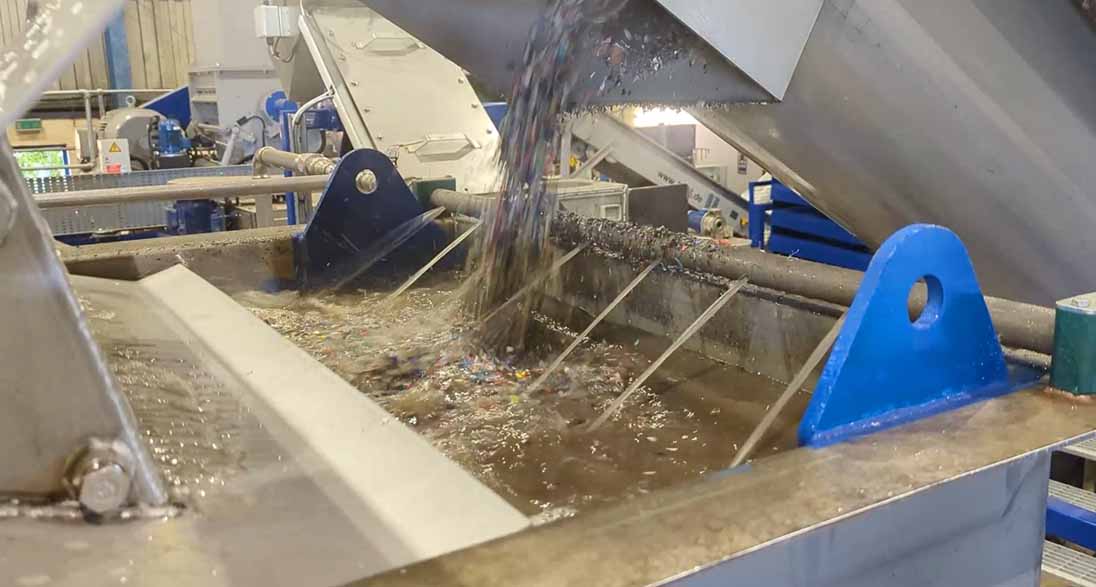
Sink Float tank Paddles

2. Separate

Once the plastic is in manageable pieces, a separator may be used to separate different types of plastics. Rotajet use Sink-Float tanks that uses water density to have a sinking material and floating material separating different plastics.

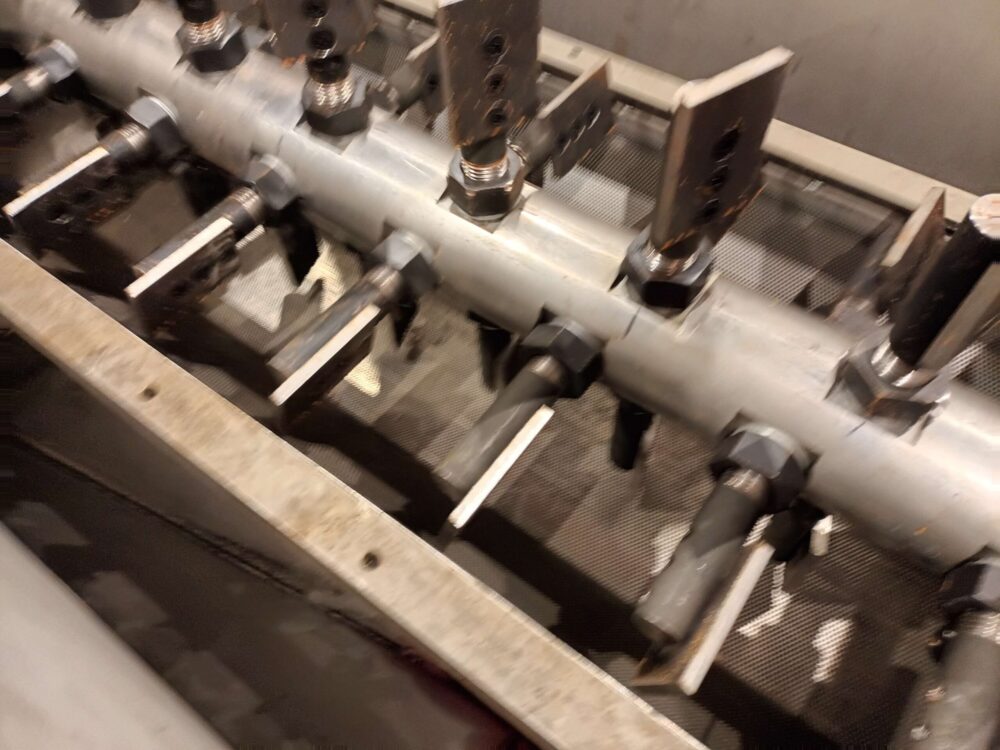
rotor for rj-turbo

3. Wash

The next step: a thorough washing. Rotajet's washers use a combination of agitation, heated wash and liquors to remove all contaminants from the plastic flakes, ensuring a clean and high-quality end product.  

4. Dry

The next stage is drying. Low moisture levels in the plastic is essential to avoid trapped liquids in the melting process which often caused weaknesses, imperfections and defects in the final plastic product.

Finally the material is ready to be pelleted. The granulated plastic is melted and compressed into uniformed plastic pellets. These recycled plastic pellets become the building blocks for all new recycled products.  

Think about it: your old water bottle could become a brand new one, or perhaps part of a cozy fleece jacket! Recycled plastics also find their way into outdoor furniture, sturdy construction materials, and countless other everyday items. The possibilities are truly amazing! 


The Importance of Recycling (and a Few Reminders):

Recycling plastics is a vital part of creating a more sustainable future. It reduces the amount of waste sent to landfills, conserves precious natural resources, and minimizes our environmental footprint.  

But remember, not all plastics are created equal. Some are more difficult and costly to recycle than others. Always check the recycling symbol on plastic items to understand the type of plastic and whether it’s recyclable in your area. And a quick tip: rinsing out containers and removing non-plastic items before recycling is essential. Contamination can disrupt the entire process.    

So, the next time you toss a plastic item into the recycling bin, remember the incredible journey it’s about to embark on. You’re not just throwing something away; you’re contributing to a cycle of renewal and helping to create a greener planet. Keep recycling, and keep making a difference! 

Want to find your recycling solution?

Granulator Servicing: Keep Your Production Flowing with Rotajet Systems

Granulator Servicing: Keep Your Production Flowing with Rotajet Systems

A granulator is a machine used for grinding large materials into smaller, more manageable sizes, typically for recycling or reuse in manufacturing processes. These machines are fundamental in industries that focus on plastic recycling and material recovery, making them a critical piece of equipment in your operation.

Granulators are heavily relied upon to reduce the size of plastic, metal, or rubber parts and are found in various industries such as recycling facilities, plastic manufacturing plants, and automotive parts production. However, like any other industrial equipment, granulators need regular service and maintenance to ensure long-term, efficient operation.

Why Granulator Maintenance Matters

Neglecting your granulator can lead to several problems, including increased energy consumption, lower output quality, and costly breakdowns. By investing in regular granulator maintenance, you can extend the lifespan of your equipment, improve its performance, and prevent costly repairs. Here’s why regular maintenance and servicing are essential:

  • Increased Lifespan: Regular maintenance helps extend the life of your granulator machine and avoids premature wear and tear on essential parts.
  • Optimised Efficiency: Well-maintained machines run more efficiently, reducing downtime and lowering your operational costs.
  • Prevent Breakdowns: Preventative care can help avoid unexpected issues, which can halt your production process and result in costly repairs or even the need to purchase new equipment.
  • Improved Safety: Routine checks ensure that all safety features are functioning correctly, reducing the risk of accidents caused by malfunctioning equipment.

Granulator Service & Repair Solutions

At Rotajet Systems Limited, we provide a comprehensive range of granulator services designed to keep your equipment running smoothly and efficiently. Our expert engineers specialise in providing services for all makes and models of granulator machines, ensuring that your production processes remain uninterrupted. Below are the key service solutions we offer:

Preventative Maintenance for Granulators

Preventative help detect potential issues before they escalate, ensuring the granulator machine operates at optimal performance. Key tasks include:

  • Lubrication: Keeping moving parts well-lubricated reduces friction and wear, helping to avoid damage to components.
  • Blade Sharpening: Regularly sharpening the blades ensures efficient cutting and prevents the accumulation of material.
  • Component Replacements: We monitor key components such as motors, bearings, and screens for wear, replacing them as necessary to keep your granulator in top condition.

Granulator On-Demand Repairs

Sometimes, unexpected problems arise. When this happens, our team is ready to respond quickly with on-site granulator repairs. We carry a wide range of genuine granulator parts, ensuring that repairs are completed promptly to reduce downtime and get your operations back on track.

Granulator Performance Optimization

After performing repairs or maintenance, we go the extra mile by optimising your granulator’s performance. Our technicians will fine-tune your equipment and adjust settings, to ensure the granulator is running at maximum efficiency.

Optimising performance can increase your throughput, improve material quality, and enhance overall productivity.

Why Choose Rotajet Systems?

Experience You Can Trust:

  • Expertise with all major brands: We work on granulators from all leading manufacturers, ensuring we can service your specific equipment.
  • Genuine parts for optimal performance: We only use authentic parts, guaranteeing long-lasting repairs and peak machine performance.

Fast, Efficient, and Reliable:

  • Minimized downtime: Our quick response times and efficient service keep your production lines running smoothly.
  • Cost-effective solutions: Regular maintenance helps prevent costly breakdowns and extends equipment life, saving you money in the long run.

Granulator Manufacturers We Support

Rotajet Systems has the expertise to service and repair granulators from leading manufacturers. We support a wide range of granulator brands including:

Fibreright announces final Completion of Bespoke Rotajet Plastic Wash Line for Advanced Recycling

Fiberight announces final Completion of Bespoke Rotajet Plastic Wash Line for Advanced Recycling

Rotajet are thrilled to announce the successful completion of a new bespoke plastic processing line for Fiberight.

fibreright Plastic wash plant

Swansea based Fiberight Ltd, a manufacturing company focused on converting waste into sustainable resources, announces the successful completion of a bespoke plastic cleaning line designed and manufactured by Rotajet Systems, a UK-based leader in recycling equipment.

This innovative dual-stream plastic recycling line, manufactured at Rotajets’ Wakefield, UK facility, will significantly increase Fibreright’s production capacity for its revolutionary HydraFlex™ plastic film product.

At Fiberight we differentiate ourselves from the general waste and recycling industry.” said Joe Martoccia, Joint Managing Director at Fibreright. “by positioning ourselves as manufacturers of products. We have worked in conjunction with Rotajet to jointly develop our HydraFlex™ production line, our unique plastic film product.

Martoccia continued, “The bespoke nature of our film cleaning line requirements dovetailed perfectly with Rotajet’s prowess in design, manufacture and installation. Not only that, but their team became fully immersed in the project, supporting and guiding to its excellent conclusion”

Fibreright Plastic recycling plant

This bespoke wash line represents a significant step forward for Fiberight’s advanced recycling capabilities. The dual-stream design allows for increased productivity, enabling Fiberight to transform even more waste plastic into high-quality sustainable products like HydraFlex™.

A Pan New Washing System at Belzona Polymerics

Rotajet Systems has recently installed a Gemini VW pan washing machine at the Belzona Polymerics Limited headquarters based in Harrogate, Yorkshire. Belzona are a global leader in the design and manufacture of repair composite materials and industrial protective coatings.

Belzona -A Brief History

1952 -Originally named ‘Northern Metalife Limited’, Belzona was founded by Danish entrepreneur Jorgen Svendsen (1921-1999).

1957 -the Belzona company moved to Harrogate, North Yorkshire, where they pioneered the development of innovative polymer technology that has revolutionised the ways in which repair and maintenance procedures are carried out within industrial and commercial facilities, with substantial investment in research and development and manufacturing.

1990’s Belzona moved into the new Belzona Technology Centre facilities in Harrogate, UK, which were officially opened on 4th July 1992.

Today – Belzona are continuing to develop market driven solutions to meet the consistent demand of industry and commerce, They now have a global distribution network of over 140 distributors and have offices located in Europe, North America and Asia.

Belzona provide an extensive range of surface coating solutions to suit a variety of industries across the globe. Their specifications ensure an exceptional standard of long-term repair and protection thanks to their experience and know how which has been that is built on over six decades.

Rotajet are thrilled to have a machine installed in their Harrogate location, not only will the machine provide a seamless washing solution for pails, it also benefits to creating a circular system for the protective coating industry.

Belzona logo
About the machine

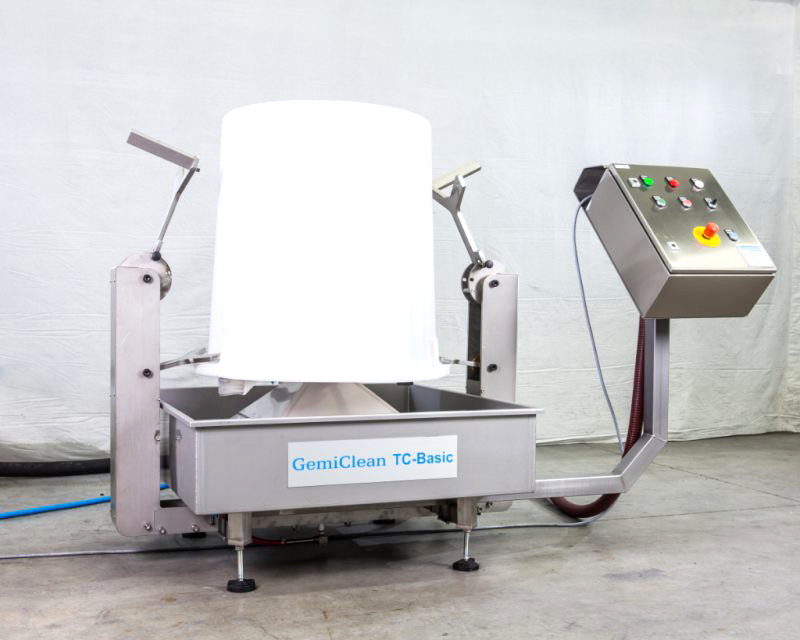
The Gemini VW pan washer is a vessel washing machine and will play an essential role within the facility to process  large contaminated vessels at the Belzona facility.

This machine successfully cleans using a combination of two elements:

  1. Mechanical actions – a series of rotating brushes agitates the contaminants and help remove the solvents from the surface. Different brush qualities are available (e.g. Stainless steel, PE.) and are shaped depending on the type of product and vessel configuration.
  2. Liquid cleaning additive– this helps break down the contaminants which helps speed along the process

These features together allow this system to provide a thorough and accurate clean while being incredibly energy efficient in just as little as 5 minutes.  For ease of use, the machine is fully automated and is fitted within a HMI panel in which cleaning parameters can be saved for other products being cleaned.

Gemini pan washing system gemiClean VW

Have you heard the news? Rotajet and Gemini have joined forces to drive change towards a circular economy.

gemini logo

Rotajet are pleased to announce that they are now the UK and Ireland agents for Gemini Techniek B.V suppliers of the pan washer. Gemini manufacture a range of high quality equipment used in the surface coating industry such as filling, dispensing and cleaning systems for pails, drums, containers and IBC’s. Along with Rotajet’s vast range of washing solutions, this partnership between both parties offers broader solutions and benefits towards creating a circular solution.

Discover what solutions Rotajet can provide for you at rotajetsystems.com

For more information about Gemini click here

For direct Inquires email info@rotajet.co.uk

Filling The Gap With Gemini

Filling The Gap With Gemini

Rotajet have partnered up with Gemini Techniek to provide a range of filling, dispensing and cleaning systems for containers, pails and IBC’s. This unique partnership allows the two parties to produce machinery in line with their core manufacturing strengths, producing reliable and effective circular solutions.

Gemini Techniek are a process engineering company and machine manufacturer located in Haaksbergen, the Netherlands, providing a full range of automatic and semi-automatic systems for filling, dispensing and cleaning for a full range of substances.

Fill

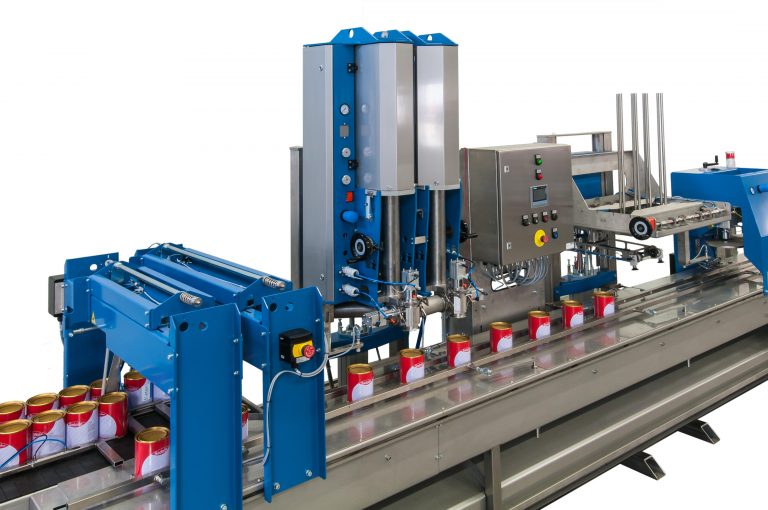
Throughout the years Gemini have successfully developed stand-alone filling machines and filling machines integrated in an automatic process that can combine conveying systems with automatic lid placing and closing. The stand-alone element allows these machines to be placed easily at the beginning, the end or within an existing system.  

As a specialist manufacturer of ATEX and non-ATEX filling equipment, Gemini have a range of machinery to suit a variety of applications and tasks. The filling machines are capable of handling high viscosity products with and without the addition of granulates like putty, wall plasters etc. The machinery is very robust and durable due to the special pump execution, high quality construction materials and unique valve designs. With the ability to fill the drum with a prescribed dose of multiple chemicals, the user is always completely in charge of the operation.

Dispense

Gemini also provide technology to dispense chemical fluids such as paints and coating, chemicals and inks according to programmed formulation. This machinery can be divided into two methods: “in-can” tinting and batch dispensing. GEMINI’s installations are able to dispense large batches up to 6.000 kg. as well as small volumes such as 1 litre containers. Because of the wide range of applications, unique dispensing heads have been developed to suit each use.

gemini dispensing line for containers and paint pailspails

Clean

Rotajet are innovators in the design and manufacture of washing equipment. From full IBC reconditioning to drum, pail and container washing, Rotajet have the dedicated solution for the task. Along with this Gemini have a range of specialist pan washing machinery which combines mechanical brushing with liquid cleaning additives for a efficient and low energy result. Together this range can perform for any washing/cleaning demand.

Each product in the Rotajet washer series is fitted with high-pressure nozzles that give complete powerful cleaning coverage, ensuring a consistent, complete and high-standard clean. Rotajet’s washing machinery is used for a range of applications such as food waste, paints and surface coatings, chemicals and pharmaceuticals and will continually deliver a high-standard clean.

Application and uses:

Gemini’s machinery is compatible with large and small containers, pails, drums, and IBC’s. The product range comprises of dispensing systems and filling equipment for all kind of liquids such as:

  • Paints and coatings
  • PVC paste
  • Dyes
  • Ink
  • Oil
  • Cleaning liquids
  • (C)PVC Cement
  • Chemicals
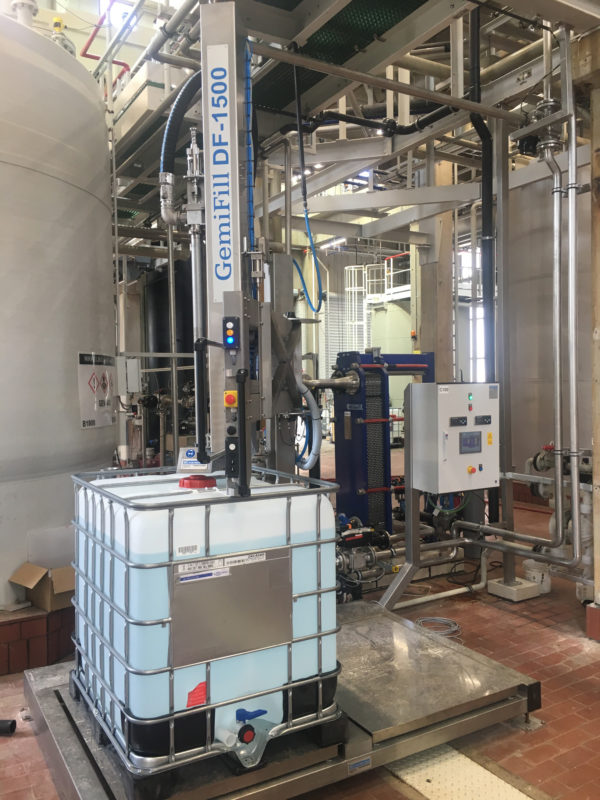
Gemini IBC filling machine

Rotajet are innovators in the design and manufacture of washing and separation equipment. Based in Wakefield, West Yorkshire, Rotajet container solutions manufacture drum and container washing machinery in-house at our dedicated fabrication facility.

Over 30 years of experience has been dedicated to creating washing, degreasing and decontamination solutions. Working with some of the world’s biggest brands, Rotajet have installed over 500 machines in over 25 countries across the globe. To ensure the efficiency and reliability of our machinery, each is fully assembled and factory acceptance tests are conducted before dispatch.

The new partnership between Gemini and Rotajet will allow the technology and systems from Gemini to seamlessly fit together as an addition or within a Rotajet’s systems as well as providing customers additional options that will meet their needs.

As Gemini’s UK agent, Rotajet will be supplying and supporting the complete range of filling, dispensing and cleaning equipment provided by Gemini. contact Rotajet directly for UK inquiries at info@rotajet.co.uk

To find out more about what Rotajet can offer click here

Another Wheelie Successful Installation

Another wheelie successful installation

Rotajet Systems Limited have recently installed a ZCS1400 combined shredder and granulator into a new Contenur plant in Knowsley, Merseyside, that will be manufacturing wheelie bins up to 1100 litre in capacity.

Contenur UK is a spanish-owned firm and one of the largest manufacturers of waste containers in the market. They already have three other production plants across Europe in Spain, Poland and Brazil and the Knowsley plant will be their first waste container manufacturing site in the UK. The 56,500 m2 factory will have the capacity to manufacture more than 600,000 containers a year

What is the ZCS1400 and how will it be used?

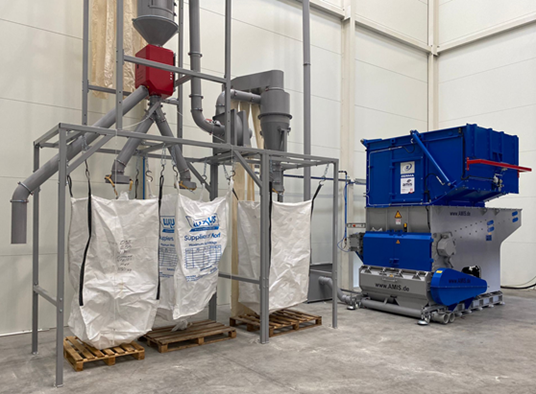
The ZCS1400, supplied by Amis, is a powerful shredder and granulator combination which makes light work of size reducing all types of plastics. This heavy duty machine will be essential for the new plant to size reduce waste wheelie bins down ready to regrind. The ZCS size reduction system combines a shredder with a granulator in one single system which saves space and allows more room for the processing of production waste. The system is fitted with metal rejection and double bag stands to make moving and using the product a simple and efficient operation.


Zerma granulator installed

Features and advantages of the ZCS1400:

  • The shredder part is equipped with a 400mm diameter E rotor using ZERMAs proven knife and knife holder design, driven by a high-torque gear drive, which in comparison to a direct drive also handles tougher input materials well.
  • The large material hopper and the powerful horizontal pusher allow processing of voluminous as well as heavier parts.
  • The lower part of the system consists of a 3-blade granulator rotor based on the GST series.
  • The shredder and granulator are matched to work together ideally and in conjunction with an advanced control system ensure smooth reliable operation.

Rotajet are thrilled to work with Contenur UK to help build this new and impressive waste container and are proud to offer flexible, efficient and sustainable solutions throughout the industry.

If you’re interested in any Rotajet machinery click here 

Rebooting Football with Recycling Campaign

Former England football keeper, David James, backs Utilita’s campaign to recycle 1 million pairs of football boots.

The boots, which would otherwise be thrown away, are to be collected in a freepost ‘boot bag’ ready for donation. After collection, the boots will be offered out at pop-up claim stations across parks, football clubs and training grounds.

The campaign “which makes recycling football boots with plenty of life left in them, really easy” according to founder of Utilita, Bill Bullen, also has a number of key financial and environmental benefits.

As well as saving money for families across the UK, it is hoped that Utilita’s ‘Football ReBooted’ campaign will also save as much as 136,000 tonnes of carbon: the equivalent of heating 50,370 homes in the UK for one year. David James has said “there are millions of football boots that people have grown out of or replaced, and we need to make sure they don’t end up in landfill.”

Adding that the ‘donate and claim’ campaign will “not only save players a few quid but will also act as an important reminder about the power of upcycling and reusing items that still have a lot of life left in them.”

United in their goals to help the environment, Premier League and EFL clubs across the UK have already stepped forward to donate their players’ retro, high quality and most wanted boots among other items.

With both academy and first team players from the likes of Southampton and Leeds United on board the campaign, there is hope that aspiring footballers will be given the opportunity to secure a pair of boots that are not only free or charge, but rich with prosperity. Inspired by Utilita’s recent ‘State of Play’ report, the campaign has also welcomed schools to request that boots be sent to their pupils who are in need of the footwear to play football in or outside of school.

The report, which found that 32% less players have been returning to the pitch since the pandemic, also found that 74% of families have been financially impacted as a result of COVID-19.

Of this, 18% of parents also reported that they can no longer send their children to grassroots football because they can’t afford the price of the boots, shin pads, and other items needed to play.

Historically, football has united players of all financial statuses and backgrounds across the globe to play at equal level and “forge new friendships, many of which last a lifetime” according to David James. On top of this, 63% of parents have reported both physical and health benefits of the sport for their children, with 55% agreeing that grassroots football is great for their child.

It is clear that football has more than simply its physical advantages for young people across the UK. Yet since the pandemic hit, 3 in 10 children have had to leave their club, with this number expected to rise even more in the coming months.

But whilst competing against waste and promoting recycling, Utilita have also created a culture of hope for young people and parents who have struggled throughout the coronavirus pandemic.

By making football boots free and accessible to those who need them, Utilita’s campaign aims to help young players to overcome the financial obstacles and return to the pitch to enjoy the “beautiful game” once more.

The recycled vinyl: music to our ears

Vinyl sales are on the rise again as the retro disc soars back into popularity. Experiencing their second wind since their invention in 1948, the classic vinyl disk still has the same great sound, retro quality… and virgin-plastic composition. 

And with sales growing by more than 2200% since 2007, there’s a lot more plastic hitting the shelves. But times have changed since the 20th century, and that’s not how we do things anymore. 

Recycled vinyl

In recent years, many traditionally virgin-plastic items have been redesigned to reflect the environmental movement. Plastic straws have turned to paper, the LEGO brick has turned to rPET, and plastic cling film has turned to…

Well, the point is that many manufacturers and brands who can avoid virgin plastic polymers, have done just that. So, is there a way to make the classic vinyl out of materials that don’t cost the earth?

Yes, it turns out there is! 

The new “Ocean Vinyl” has already hit the record shops with singer-songwriter Nick Mulvey’s single ‘The Anthropocene’ etched into its surface. 

Composed from recycled “fishing nets, fishing line, candy wrappers, potato chip bags” and other plastics found in the ocean, this new ‘green’ recycled vinyl manages to save the planet whilst maintaining its status as a “high-quality playable record”, according to Mulvey. 

And what’s more, each Ocean recycled Vinyl looks completely unique due to the uniqueness of the materials used to create them. 

Traditionally, the vinyl has been made out of PVC, Polyvinyl Chloride, hence the name “Vinyl”. But due to the toxic nature of chloride, PVC has always been notoriously difficult to recycle; with most of the material ending up in landfill or incineration. 

The new Ocean recycled Vinyl on the other hand plans on “disrupting the music industry norms and questioning norms about how we consume things and how we treasure plastic, or usually not” says Mulvey. 

But with only around 100 limited edition copies of the disc being made so far, it is still yet to be identified how the Ocean Vinyl will be produced on a mass scale. 

And as many record pressing plants are already fully established with the way that they produce PVC vinyls, this new way of doing things could take a while to really kick in. 

So whilst this solution may not be the answer to the vinyl plastic problem, it could at least be a catalyst for the music industry to begin exploring new alternatives to the PVC disc. 

And as this years’ vinyl sales are expected to surpass that of the CD for the first time since the 80’s, there really is no better time to experiment. 

Is cardboard the new glass? – Frugalpac innovate with new paper wine bottle

Currently recycled at a rate of around 84% in the UK, corrugated cardboard is often considered a huge success story for recyclable packaging.

Widely accepted by both kerbside collection and recycling points across the UK, cardboard is prized for being both simple and economical to process into new material.

Cashing in on this, paper-based packaging producer Frugalpac has been working on the world’s first 96% recycled wine and spirits bottle.

The bottle, which has already been adopted by brands like ‘The English Vine’ and ‘NB Distillery’ is said to have a few major advantages to its’ glass alternative.

Weighing in at 5 times lighter than the glass bottle, the Frugal Bottle is also said to have a 6 times smaller carbon footprint than glass.

In addition, whilst research has seen cardboard decompose within 1 to 2 years, with heavily treated cardboard taking up to 5 years to decompose, a glass bottle is estimated to take 1 million years to decompose in the environment.

And with glass currently being recycled at a rate of around 50% in the UK, around 50% also goes to landfill each year (with 29% of glass bottles contributing to this statistic).

But despite the supposed environmental, economical, and physical benefits of the recycled Frugal Bottle, the innovative packaging relies upon commercial traction in order to achieve its production target of 80 million bottles per year.

This could be easier said than done, considering the popular consumer belief that paper-packaged wine is of a lesser quality than that in glass bottles.

But thanks to the global environmental movement of recent years, UK consumers have reportedly become increasingly aware of their packaging choices; making swaps from traditional, to more sustainable options.

And with 63% of UK wine drinkers reporting that they would make the switch to a paper-based bottle, things appear to be so-far-so-good for the Ipswitch-based producer.

Furgalpak also believes that their packaging could be a win-win for businesses, with their Chief Executive, Malcolm Waugh, claiming that their offering could present a “huge opportunity for brands and packaging companies to boost their revenue and profit.”

This could be good news for paper and cardboard recycling companies, as the demand for paper-based recycling will inevitably need to rise to meet the expected demand.

As paper and cardboard are both ready-processed materials, their recycling is not only an easy process, but also requires up to 50% less energy to recycle than to manufacture from scratch.

Once sorted and shredded, recycled cardboard is ‘pulped’ with water and then filtered to remove various contaminants.

Requiring very little machinery and resources, this form of recycling has already been implemented on varying scales in facilities across the UK.

And with readily available size reduction machinery from major brands like AMIS and Zerma, more and more companies are becoming aware of these off-the-shelf solutions to their paper and cardboard recycling applications.

Partnered with the government’s tax Super Deduction initiative, it seems there really has been no better time to make these investments for the UK.

For now, let’s all raise a paper-based glass to the success of Frugalpac on their mission for a greener economy!

To learn more about the UK Government’s Super Deduction initiative, read our press release here.

For more information about paper and cardboard shredding equipment, visit our dedicated size reduction page here.

Compostable Bags: Solution or Pollution?

The compostable bag was first introduced to the retail industry as a way to curb the plastic problem and close the loop on the production of carrier bags. 

With their dual usability, compostable bags can be first used to bring goods and groceries home from the shops, and then used to line compost bins at home. 

Commonly made from vegetable matter, such as potato and corn starch, compostable bags were originally brought in as an alternative to one-use plastic carrier bags.

And with the ability to be decomposed by microorganisms such as bacteria, the compostable bag has often even been favoured to other one-use alternatives such as the ‘Bag For Life’

However, a common misconception about the biodegradable bag is that decomposition will occur in the natural environment.

This could mean that by sending compostable bags to waste, they could end up in the oceans or landfill and naturally begin to decompose.

However, the reality is that the bags need to be treated in optimum conditions in order to decompose effectively; such as those harvested by industrial composting plants. 

And, in order to be considered a ‘compostable bag’, the material must conform to the standards set by their governing body. 

For members of the European Union, this means adhering to the EN 14995 directive, whereby compostable products must have visibly disintegrated within 3 months, and biodegrade by at least 90% in six months when being treated at 60°C in an industrial composting plant. 

The issue with this process is that very often end-users of the compostable bag don’t know where their food waste is sent to.

While some households might have their food waste collected for industrial composting plants, others could be sent for processing in an Anaerobic Digestion plant.

Due to their high water content of up to 54%, compostable bags can often present a problem when they end up in AD plants as they require an extended drying period before their dry matter can be processed. 

It has therefore been suggested that a new biopolymer should be identified for use in compostable bags, along with a new standard for plastics that will biodegrade in biogas plants. 

However, the varying conditions across different biogas plants means that they could operate under varying temperatures, time periods, and using different microorganisms; thereby making developing a standard a more challenging task. 

Another issue with the biodegradable bag is that, in previous years, it has been confused with a recyclable plastic and placed in with plastic recycling by end-users. 

Whilst it is estimated that plastic recycling plants have the capacity to deal with up to 10% contamination from compostable bags, they have been known to present a much wider issue than just causing contamination. 

Due to their high elasticity and lightweight structure, compostable bags have the tendency to get wrapped around the rotors, screw augers and other components within mechanical recycling plant machinery, causing them to get jammed and ultimately resulting in machine downtime.

On the other hand, compostable bags which have survived the mechanical recycling process have been known to end up in recycled goods where, true to form, they have begun to decompose; leaving gaps in recycled products and rendering them useless. 

Equal but opposite, it has also been estimated that around 5% of materials that are collected for bio-waste plants are non-organic; with the majority of contaminants being made up of plastic. 

To a certain extent, the fate of the biodegradable bags, much like that of recyclable plastic, lies in the hands of the end-user. 

By placing biodegradable bags in the brown food compost caddy provided by the local authorities, end-users can set the compostable bag off on the right tracks.

Thereafter, the bag will rely on the optimum conditions of an industrial composting plant in order to be degraded in the way in which it was intended. 

Find out more about one-use plastic bag alternatives in our press release: Has the ‘Bag For Life’ become a thing of the past?

To read more about the UK’s response to the plastic problem, see our press release about Closing the loop on plastics with UK-based recycling infrastructure and The future is circular. 
FAS ENQUIRY FORM

    JOIN OUR MAILING LIST