Industrial Plastic Washing Systems for Contaminated Plastic Recycling
Plastic recycling facilities increasingly face a major challenge: contamination in plastic waste streams.
Plastic materials recovered from food processing, waste packaging, anaerobic digestion plants, paint container recycling and industrial processes often contain oils, fats, food residues, labels, adhesives and organic contamination.
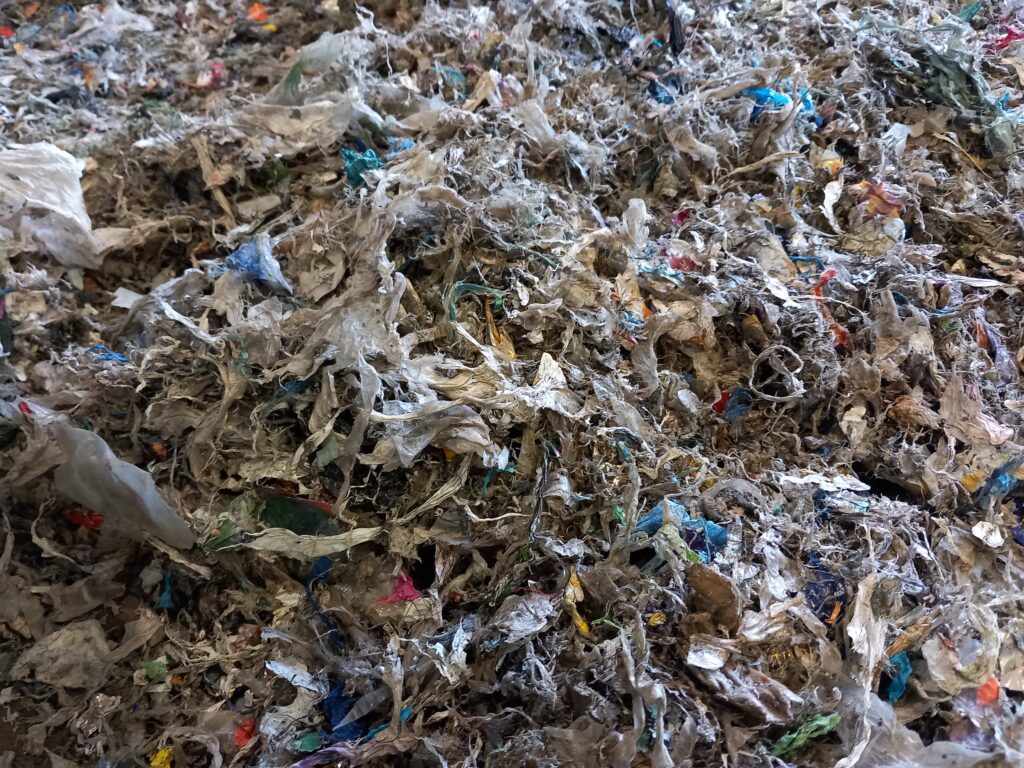
Without effective cleaning, these contaminants can make plastic difficult to process, impossible to pelletise and unsuitable for reuse in manufacturing.
Modern plastic washing systems are therefore critical to transforming contaminated plastic waste into clean, recyclable raw material.
Rotajet Systems Ltd designs and manufactures industrial plastic washing machinery in the UK, engineered to remove heavy contamination and improve plastic recyclability for recycling plants worldwide.
Learn more about industrial plastic washing equipment here:
https://plasticwashing.co.uk
The Challenge of Contaminated Plastic Recycling
Plastic recyclers rarely receive clean feedstock.
Most post-consumer and post-industrial plastics arrive contaminated with substances that must be removed before recycling can occur.
Typical contamination sources include:
• Waste cooking oil residues
• Food contamination
• Organic residues from depackaging plants
• Paint and coating residues
• Adhesives and labels
• Oils and lubricants from industrial packaging
• Dirt and organic debris
Industry groups such as Plastics Recyclers Europe highlight contamination as one of the largest barriers to improving recycling rates across Europe.
These contaminants reduce the value of recycled plastic and create serious operational challenges during recycling.
Common processing issues include:
• Poor extrusion quality
• Pellet contamination
• Odour problems
• Reduced melt flow performance
• Blocked extrusion filters
• Increased maintenance and downtime
For many recycling plants, plastic washing systems are essential before extrusion or pelletising can take place.
Why Plastic Washing Systems Are Essential in Recycling Plants
Plastic washing systems perform several critical roles within modern recycling operations.
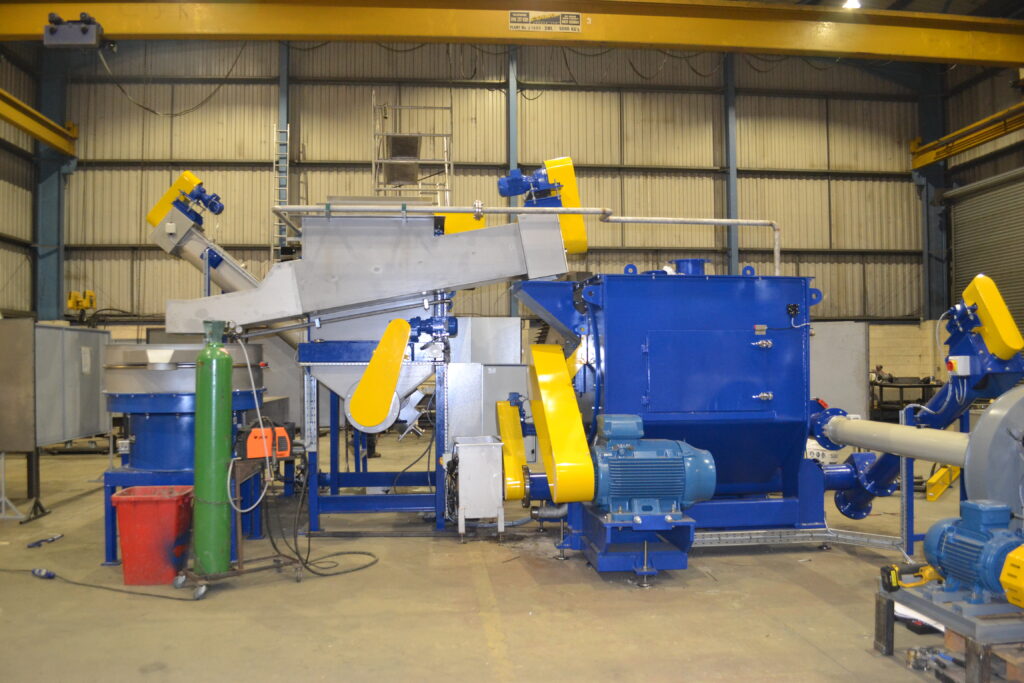
They help to:
• Remove oils and organic contamination
• Separate dirt and debris from plastic flakes
• Improve recyclate purity
• Reduce odours in recycled plastics
• Improve downstream extrusion performance
• Increase the value of recycled plastic pellets
Research from the Waste and Resources Action Programme shows that improving contamination removal significantly increases the value of recycled plastics.
Types of Plastic Washing Technologies
Plastic recycling plants typically use multiple washing stages depending on the level of contamination and material type.
Drum Washing Systems
Drum washing systems are typically used for light contamination removal, particularly when processing plastic containers, packaging and industrial drums before shredding.
For example, container washing equipment such as the Rotajet container washer can remove surface contamination before plastic size reduction.
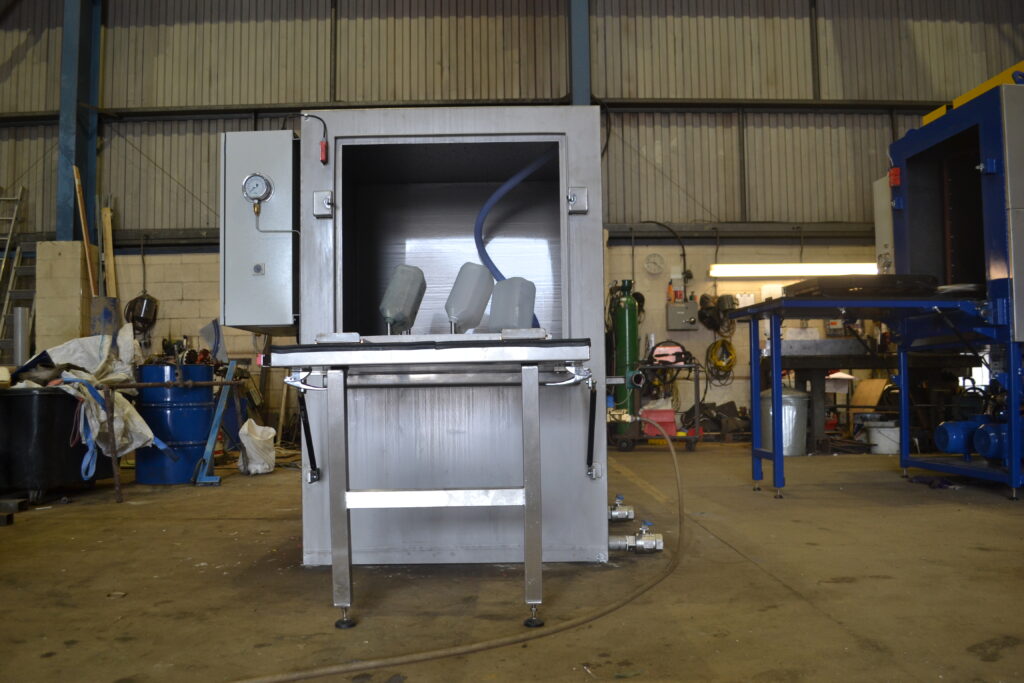
Learn more:
https://drumwashing.com/container-washer-rj-cw-9-25/
These machines are often installed alongside plastic recycling washing lines supplied by Rotajet.
Sink Float Separation Systems
Sink-float tanks separate plastics based on density differences.
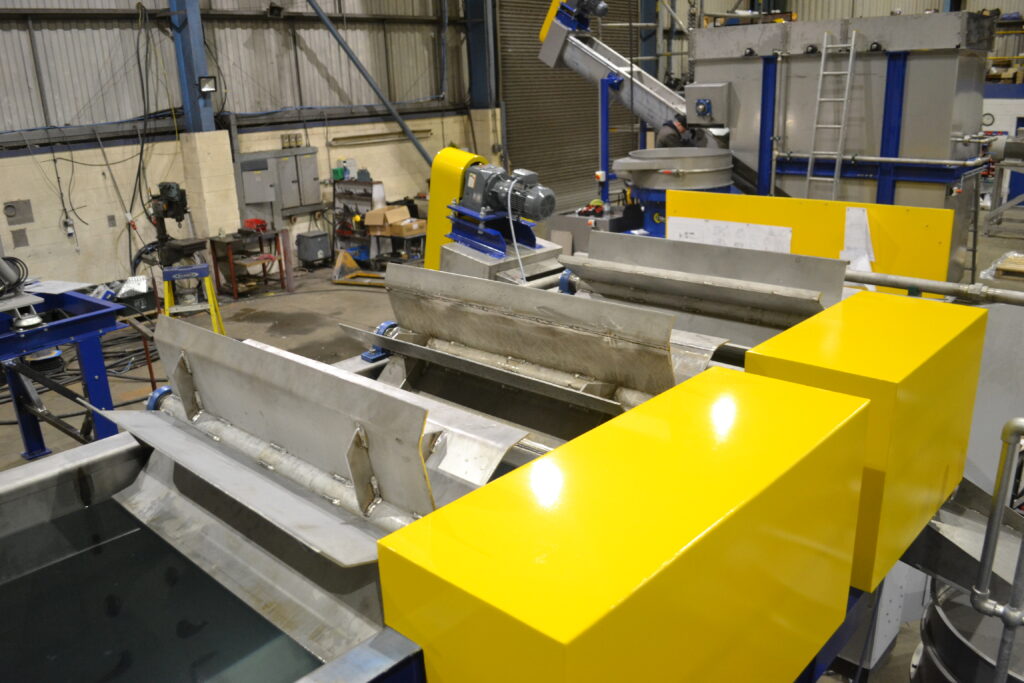
Polyolefins such as HDPE, LDPE and polypropylene float, while heavier contaminants sink.
This stage is widely used in recycling plants handling mixed plastic waste streams.
Rotajet sink-float separation equipment can be integrated into plastic recycling washing lines.
More information:
https://plasticwashing.co.uk
High-Speed Friction Washing
For heavily contaminated plastics, high-speed friction washing systems provide the most effective cleaning solution.
These machines generate intense mechanical friction to remove:
• Oils and grease
• Food contamination
• Paint residues
• Adhesives and labels
• Organic contamination
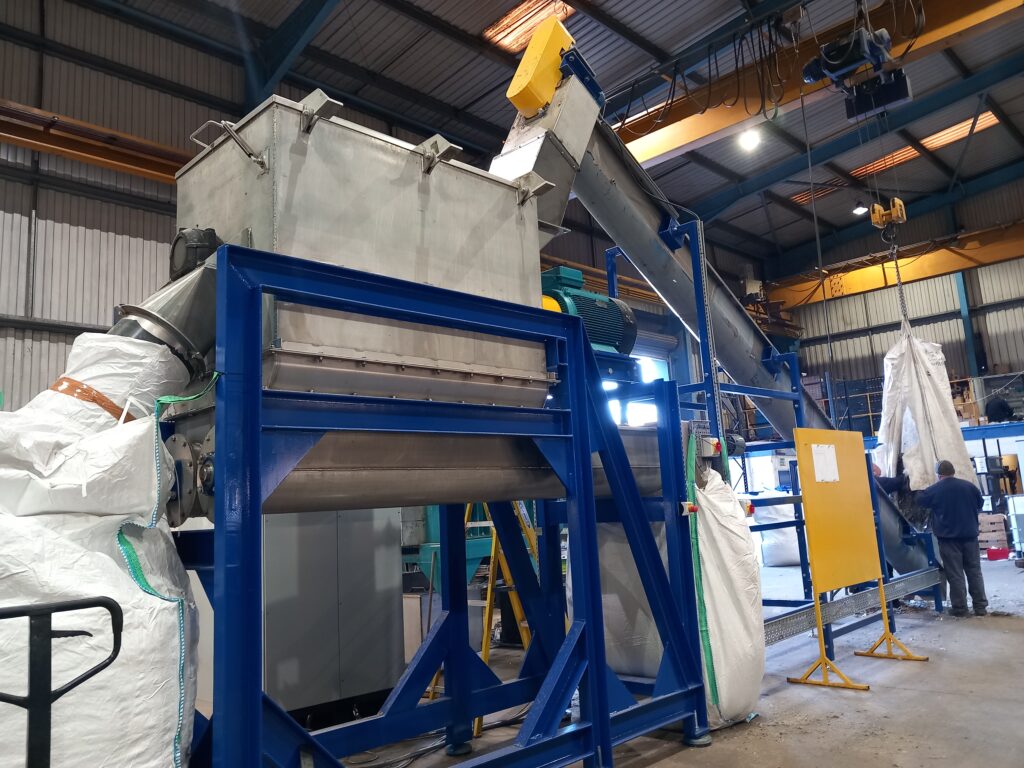
High-speed friction washing is commonly used in recycling facilities processing plastics from food packaging, waste management operations and anaerobic digestion plants.
High-Speed Friction Washing Technology
The Rotajet RJ-Turbo friction washer is designed to remove heavy contamination from shredded plastics and plastic regrind.
More details:
https://plasticwashing.co.uk/plastic-washer/
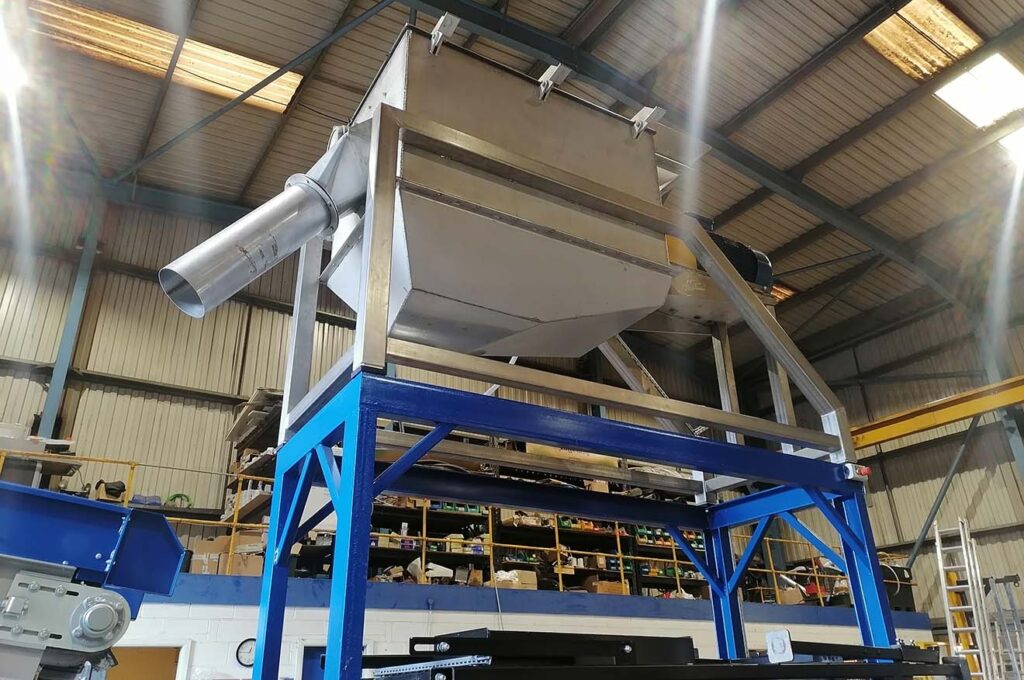
The system uses a high-speed rotor inside a perforated screen basket, creating friction between plastic particles.
During operation:
- Contaminated plastic enters the washing chamber
- A high-speed rotor accelerates the plastic particles
- Plastic flakes rub together creating friction
- Contamination is dislodged from the plastic surface
- Water flushes contaminants through the basket
- Clean plastic exits the machine ready for further processing
This friction washing process removes oils, fats and organic contamination from plastic waste streams, significantly improving recyclability.
Example Plastic Washing Line Layout
A typical plastic recycling washing line may include:
Material feed hopper
→ Shredder
→ Granulator
→ Rotajet friction washer
→ Sink-float tank
→ Secondary washing stage
→ Mechanical dewatering dryer
→ Material storage silos
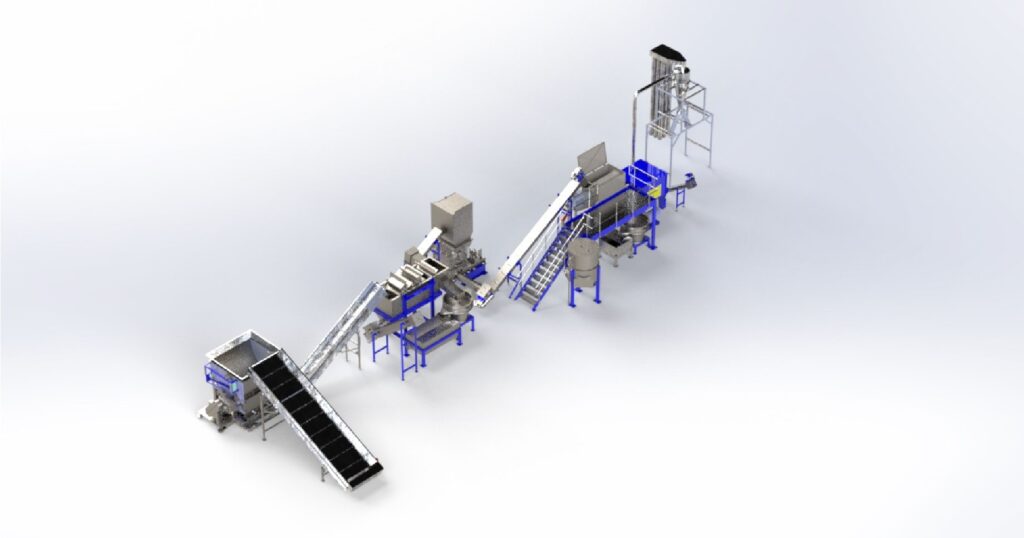
Rotajet designs complete plastic washing plants as well as individual machines that can integrate into existing recycling facilities.
Full system overview:
https://plasticwashing.co.uk
Retrofit Plastic Washing Systems into Existing Recycling Plants
Many recycling facilities already operate shredders, granulators or extrusion equipment but struggle with contamination problems.
Rotajet plastic washing systems can be retrofitted into existing recycling plants to improve cleaning performance without replacing the full recycling line.
Typical retrofit upgrades include:
• Installing friction washers
• Adding sink-float separation systems
• Integrating water filtration equipment
• Improving contamination removal stages
This approach allows recycling plants to upgrade material quality while maintaining existing infrastructure.
Paint Pot and Paint Container Recycling
Paint pot and paint container recycling is an increasingly important sector in plastic recycling.
Plastic containers used for paints and coatings often contain:
• Dried paint residues
• Pigments and fillers
• Adhesive labels
• Surface contamination
Industry bodies such as the British Coatings Federation promote improved recycling of paint packaging.
Plastic washing systems manufactured by Rotajet can help clean:
• HDPE paint containers
• Plastic paint pots
• Coatings containers
• Construction chemical packaging
High-energy washing stages remove:
• Paint residues
• Pigments
• Labels
• Surface contamination
This allows clean HDPE plastic to be recovered and recycled into new products.
Anaerobic Digestion Plastic Recycling
Another challenging plastic waste stream comes from food waste depackaging systems used in anaerobic digestion plants.
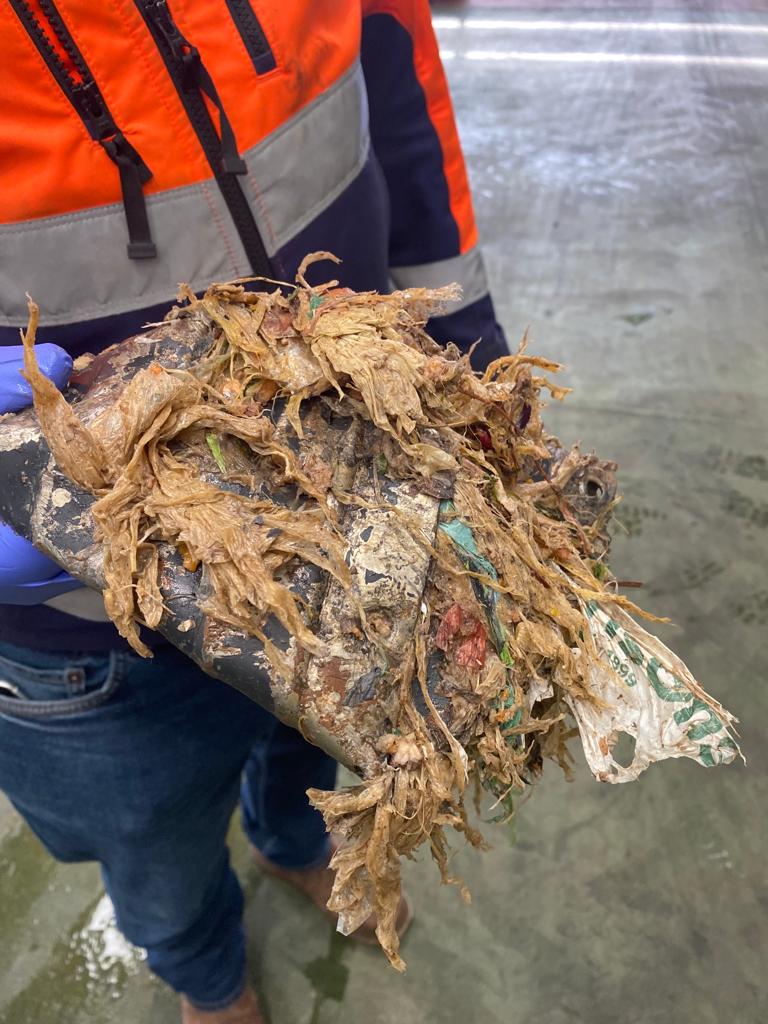
These plastics are contaminated with:
• Food residues
• Organic waste
• Liquids and fats
The Anaerobic Digestion and Bioresources Association highlights the importance of recovering plastics from organic waste streams.
High-speed friction washing systems can remove organic contamination from these plastics and significantly improve recycling performance.
How Clean Does Plastic Need to Be Before Extrusion?
Plastic washing is not only about appearance — it is about producing a consistent feedstock for extrusion and pelletising.
If contamination remains on plastic flakes it can lead to:
• unstable extrusion
• blocked melt filters
• poor pellet quality
• odour problems
• lower product value
This is why many recycling facilities install a Rotajet friction washing stage before pelletising.
By removing oils, paint residues and organic contamination, plastic washing systems help produce cleaner plastic flakes suitable for recycling.
Environmental Benefits of Plastic Washing Systems
Plastic washing systems play an important role in supporting the circular economy.
Benefits include:
• Increased plastic recycling rates
• Reduced landfill waste
• Improved recycled material quality
• Lower contamination in recycled pellets
• Reduced environmental impact
Modern washing plants designed by Rotajet can also operate with water recirculation systems to minimise water usage.
UK Manufactured Plastic Washing Machinery
Rotajet designs and manufactures industrial plastic washing machinery in the United Kingdom.
Rotajet equipment is installed in recycling plants across:
• United Kingdom
• Europe
• North America
• Asia
• Middle East
Rotajet plastic washing systems are engineered for:
• Heavy contamination removal
• Integration with existing recycling plants
• Industrial processing environments
• Long operational service life
Buy, Rent or Trial Plastic Washing Equipment
Rotajet offers flexible equipment supply options.
Purchase
Complete plastic washing systems for new recycling plants.
Rental
Rental options allow recyclers to increase capacity quickly.
Material Trials
Material trials can be carried out to determine the most suitable washing configuration.
More information:
https://plasticwashing.co.uk
Frequently Asked Questions
How do you remove oil from plastic recycling?
Oil contamination can be removed using high-speed friction washers, where plastic particles rub together while water removes oils and residues.
What is a friction washer in plastic recycling?
A friction washer is a machine that cleans plastic flakes using a high-speed rotor and screen basket to generate mechanical friction.
Why must plastic be washed before recycling?
Contaminants such as oils, paints, adhesives and food residues can disrupt extrusion and reduce recycled plastic quality.
Can plastic washing systems be retrofitted into existing recycling plants?
Yes. Plastic washing systems manufactured by Rotajet Systems Ltd can be retrofitted into existing recycling lines to improve contamination removal and recyclate quality.
Visit Plastic Washing to learn more, or get in contact with us.
