Waste Plastic Contamination
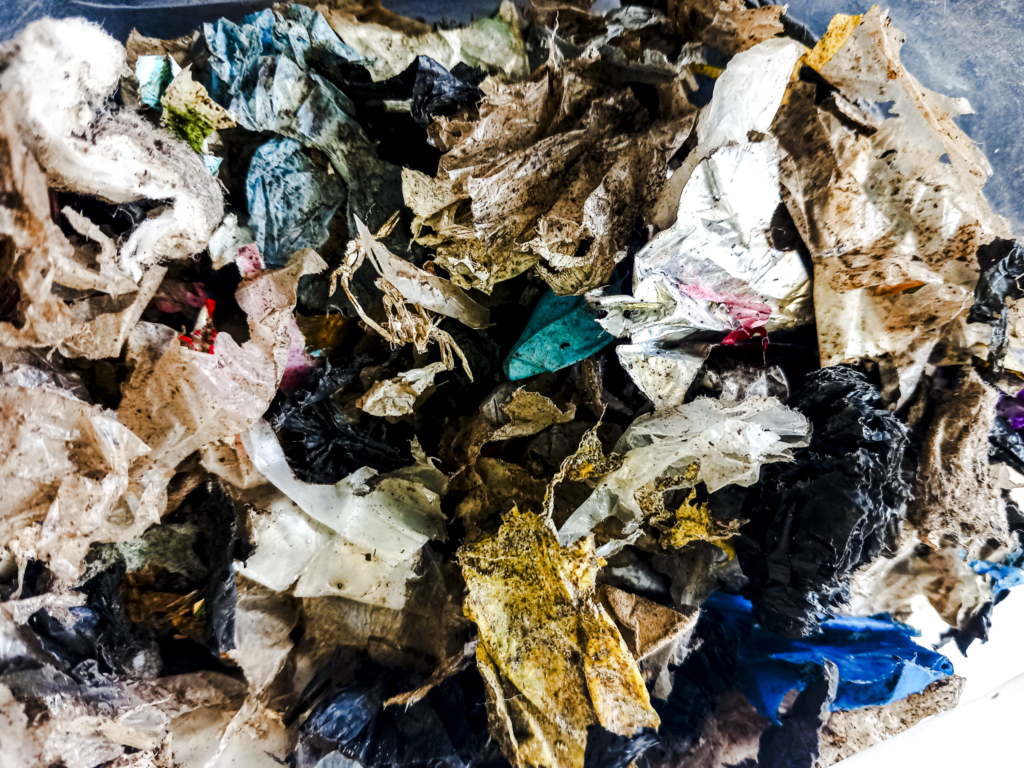
Food waste depackaging within anaerobic digestion (AD) facilities generates plastic packaging heavily contaminated with organic residues. The waste plastic often contain up to 50% moisture and as much as 25% organic contamination, including food residues, fats, oils, sugars, and proteins. Without effective cleaning, this material is routinely rejected by recyclers and diverted to energy recovery or disposal.
To address this challenge, many AD operators are now integrating high-performance plastic washing systems, with high-speed friction washing—such as the RJ-Turbo—emerging as the most effective solution for organic-rich plastic waste streams.
Why Organic Contamination Must Be Removed From Waste Plastic
Organic contamination on waste plastics creates multiple downstream issues:
- Odour and hygiene risks during storage and transport
- Plastic degradation and biological growth
- Reduced melt quality during recycling
- Failure to meet recycler contamination specifications
With increasing pressure from UK Extended Producer Responsibility (EPR) and the EU Packaging and Packaging Waste Regulation, AD operators are required to demonstrate improved recovery and cleanliness of plastic packaging.
Methods for Removing Organic Contamination from Waste Plastic
| Cleaning Method | Pros | Cons |
| Rinse / Spray Washing | Low capital cost Simple installation | Ineffective on fats and oils High water usage Inconsistent results |
| Soak Tanks / Drum Washers | Suitable for lightly contaminated plastics | Long cycle times Limited mechanical action Poor performance on films |
| Chemical / Detergent Washing | Can remove stubborn residues | High operating costs Chemical handling risks Increased effluent treatment |
| High-Speed Friction Washing (RJ-Turbo) | Excellent removal of food residues, fats, and oils Effective for mixed rigid and film plastics Lower water usage per tonne Continuous operation | Higher mechanical energy input |
High-speed friction washing using the RJ-Turbo has proven particularly effective where contamination levels are extreme and highly variable, as is typical with food waste depackaging.
How the RJ-Turbo Removes Organics from AD Plastics
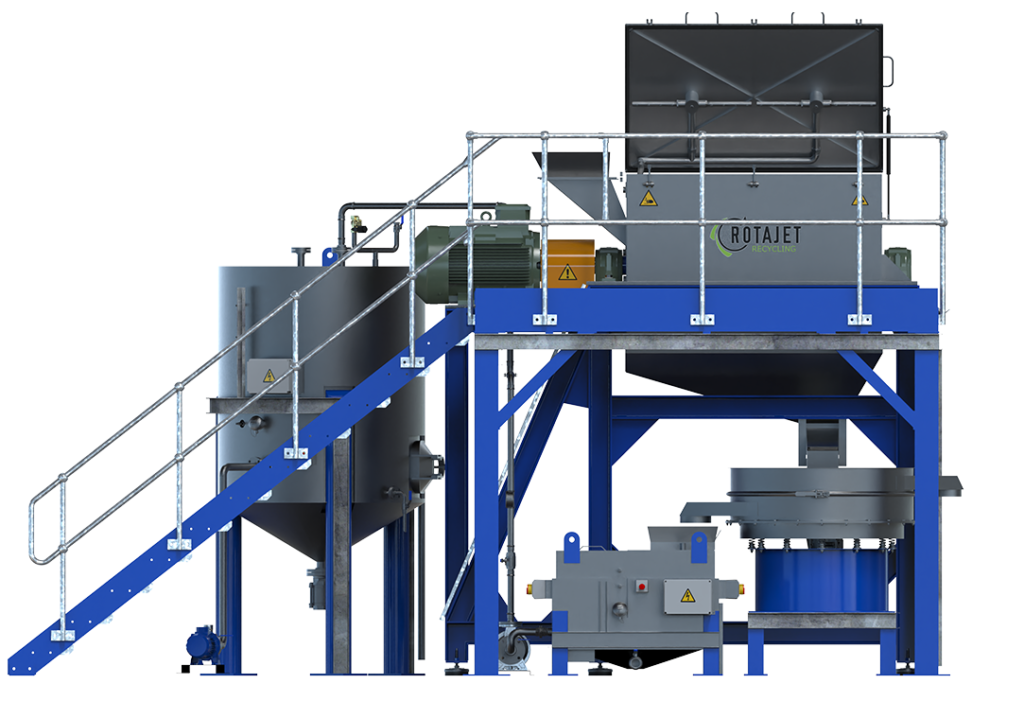
The RJ-Turbo is engineered specifically for cleaning plastics recovered from food waste depackaging. Contaminated plastics are fed directly into the washer, where a high-speed rotor generates intense mechanical shear and plastic-to-plastic contact. This action dislodges embedded food residues, oils, and fats that cannot be removed by rinsing alone.
Controlled water injection flushes loosened organics through a fixed screen basket, separating them from the cleaned plastics. The organic-rich wash water can then be filtered, treated, or returned to the front end of the depackaging or digestion process.
Designed for AD and Closed-Loop Operation
The RJ-Turbo is designed to:
- Handle high moisture and organic loading
- Process mixed rigid and film plastics
- Integrate with upstream depackaging systems
- Reduce fresh water consumption through recirculation
- Support closed-loop operation by returning organics to digestion
This makes the RJ-Turbo particularly well suited to modern AD plants seeking to improve plastic recyclability while maximising biogas yield.
Industry Guidance and Authority References

Improved plastic cleaning aligns with guidance from:
- WRAP – https://www.wrap.org.uk
- DEFRA – https://www.gov.uk/government/organisations/department-for-environment-food-rural-affairs
- European Commission – https://environment.ec.europa.eu
- Plastics Recyclers Europe – https://www.plasticsrecyclers.eu
Removing organic contamination from waste plastic packaging is now essential for AD operators. While several cleaning methods exist, high-speed friction washing using the RJ-Turbo provides the most reliable and efficient solution for heavily contaminated plastics from food waste depackaging. By improving recyclability, reducing water consumption, and supporting closed-loop processing, the RJ-Turbo enables AD plants to convert a problematic waste stream into a recoverable resource.
FAQ’S
Can plastics from food waste depackaging be recycled?
Yes, provided organic contamination is effectively removed using mechanical washing such as high-speed friction washing.
Why is friction washing better than rinsing?
Friction washing uses mechanical shear to remove fats, oils, and embedded residues that water alone cannot dislodge.
Can organics removed from plastics be reused?
In AD plants, recovered organics can often be returned to the digestion process, improving biogas yield.
Visit PlasticWashing.co.uk to learn more, or get in contact with us
