High-Performance Density Separation Systems Manufactured in the UK – Supplied Globally
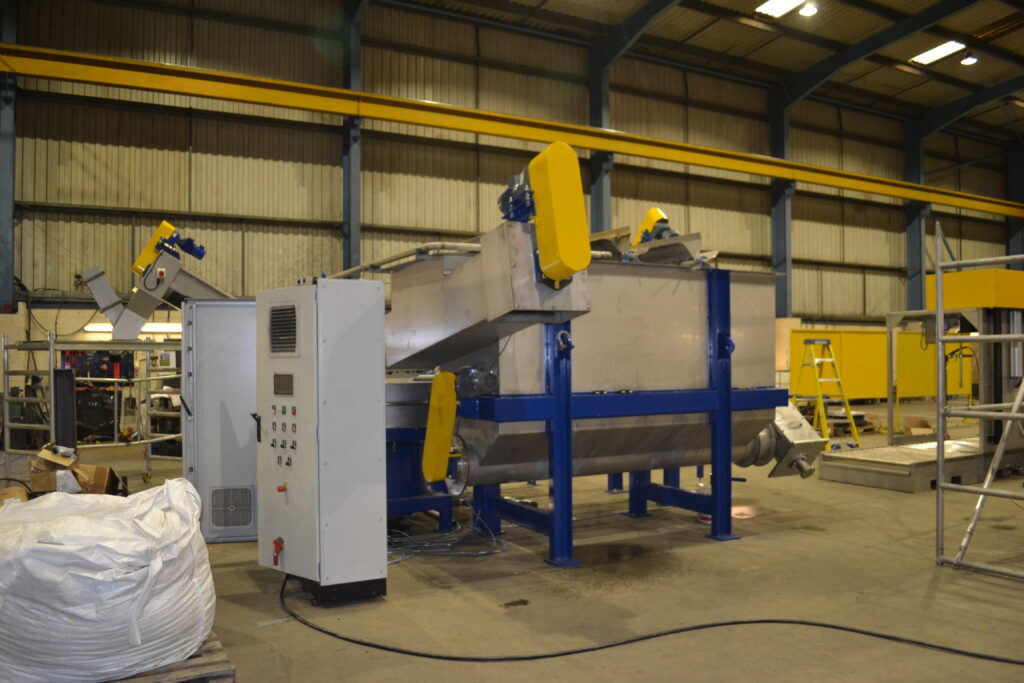
Modern plastic recycling plants require more than simple flotation tanks. Within a complete https://plasticwashing.co.uk/plastic-washing-lines/, the density separation stage determines final polymer purity, extrusion stability and long-term profitability.
Our industrial sink float tanks are engineered and manufactured in the UK and supplied globally to recycling operations processing rigid plastics, PET flake, film regrind and WEEE materials.
If you are processing:
- PP / PE rigid packaging
- HDPE regrind
- PET bottle flake
- Mixed post-consumer plastics
- Engineering polymers
- WEEE appliance housings
Then your density separation system directly affects:
✔ Polymer purity
✔ Filter change frequency
✔ Pellet resale value
✔ Water consumption
✔ Plant uptime
What Is a Sink Float Tank?
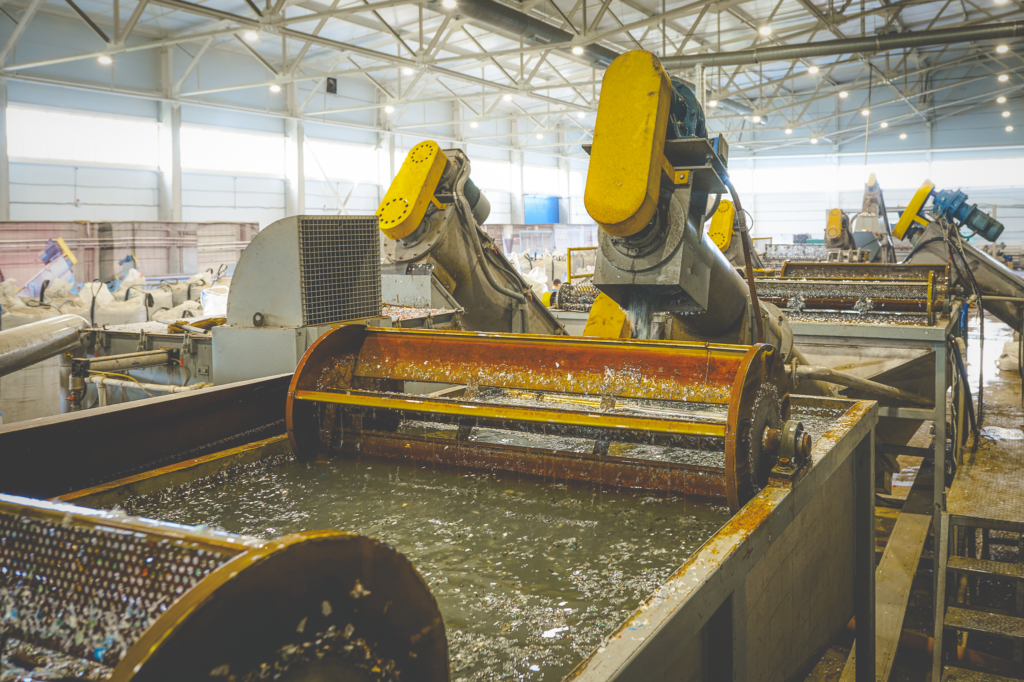
A sink float tank separates plastics based on density using water as the separation medium.

Polyolefins such as PP and PE float, while heavier polymers including PET, PVC and ABS sink. This physical separation principle makes density separation one of the most cost-effective purification methods in mechanical recycling.
Material entering the tank is typically size reduced using https://plasticwashing.co.uk/plastic-granulators/ to ensure consistent flake size before separation.
Why Engineered Density Separation Systems Outperform Basic Tanks
In high-throughput recycling plants, basic flotation troughs create instability.
Common issues include:
- Turbulence remixing fractions
- Poor retention time
- Sediment accumulation
- Polymer crossover contamination
- Excessive water usage
Prior to density separation, material is commonly processed through https://plasticwashing.co.uk/friction-washers/ to remove labels, fines and contamination.
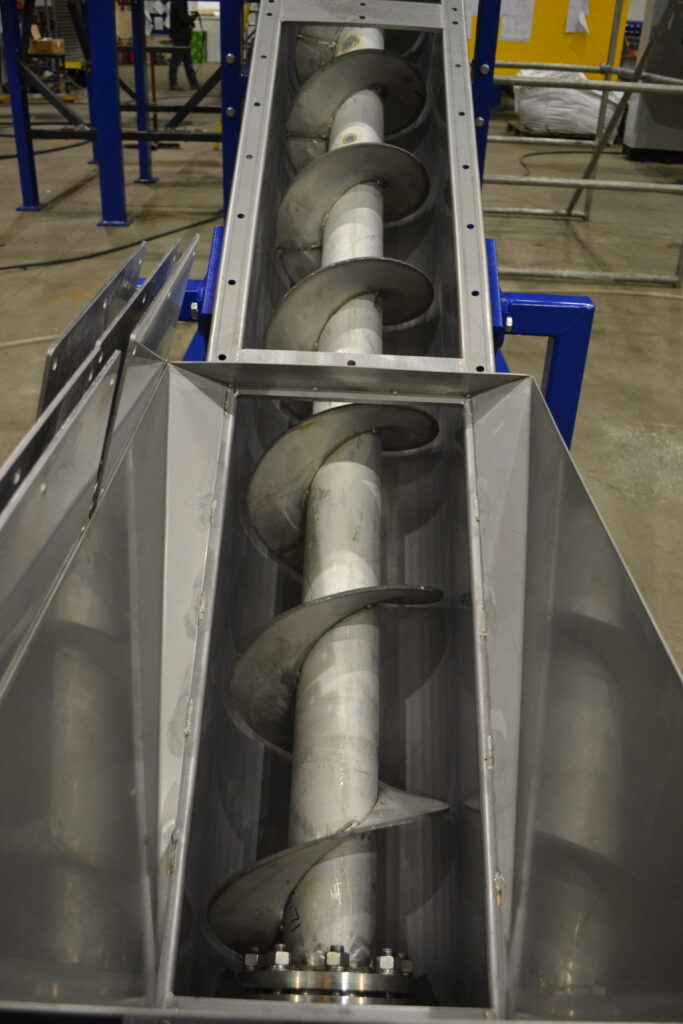
Our engineered systems incorporate:
✔ Controlled laminar flow
✔ Independent float and sink discharge
✔ Continuous sediment removal
✔ Heavy-duty stainless construction
✔ Closed-loop water recirculation
Learn more here:
https://plasticwashing.co.uk/sink-float-tanks-2/
Sink Float Tanks Integration Within Complete Plastic Washing Plants
A sink float tank forms the purification stage between wet washing and drying.
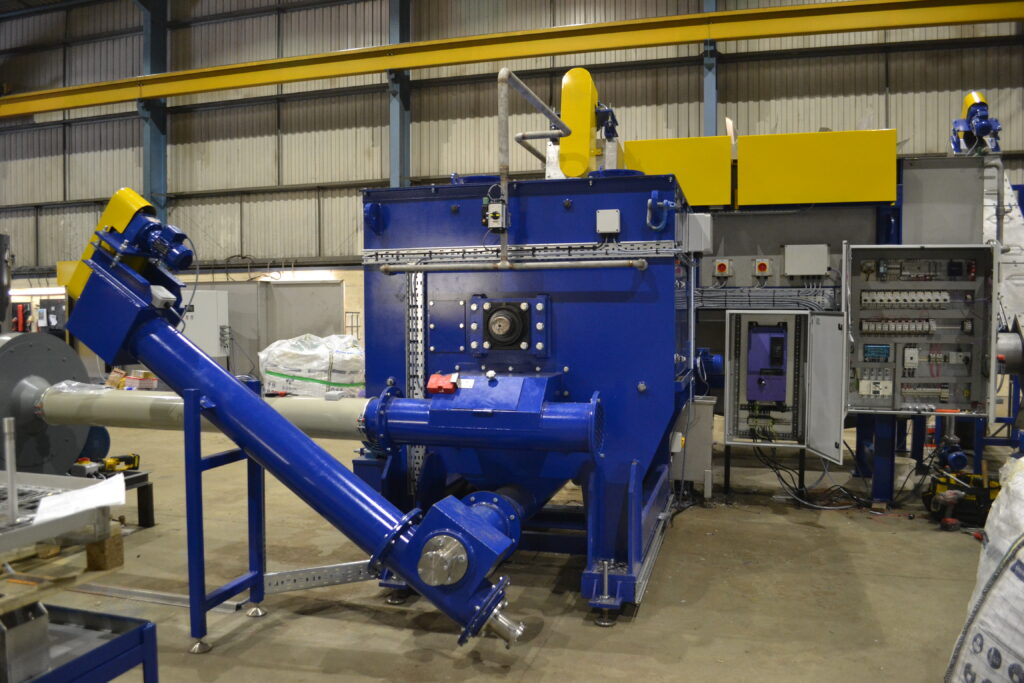
After separation:
- Floating and sinking fractions move to https://plasticwashing.co.uk/centrifugal-dryers/
- Material may then pass through thermal drying before extrusion
For full system design, explore our https://plasticwashing.co.uk/plastic-washing-lines/.
Sink Float Tanks for WEEE Recycling
The WEEE sector presents one of the most demanding separation environments.
Materials processed include:
- ABS appliance housings
- HIPS
- Flame-retardant plastics
- Mixed engineering polymers
Sink float tanks are used to:
✔ Separate polyolefins from engineering plastics
✔ Remove mineral contamination
✔ Improve feedstock value
✔ Prepare material for electrostatic sorting
Water Efficiency & Closed-Loop Operation
Modern density separation systems integrate into https://plasticwashing.co.uk/plastic-washing-lines/ to reduce freshwater demand and effluent discharge.
Integrated filtration and sediment purge systems reduce operating costs and improve sustainability metrics.
Material Trials Conducted at Our UK Manufacturing Facility
We offer material trials at our UK-based manufacturing facility, allowing customers to test their plastic streams prior to installation.
Trials evaluate:
Float / sink purity
Retention time optimisation
Contamination challenges
Full system integration
Systems are assembled and factory tested in the UK before global shipment.
Manufactured in the UK – Supplied Worldwide
All sink float tanks are:
- Engineered and manufactured in the UK
- Designed for continuous industrial operation
- Supplied globally
- Supported with installation and commissioning
UK manufacturing ensures quality control, shorter lead times and long-term technical support.
Frequently Asked Questions
What is a sink float tank used for in plastic recycling?
A sink float tank separates plastics based on density. Polyolefins float while heavier plastics such as PET, PVC and ABS sink, enabling efficient polymer separation within plastic washing lines.
Can sink float tanks process WEEE plastics?
Yes. Sink float tanks are widely used in WEEE recycling to separate engineering plastics from polyolefins and remove mineral contamination before further sorting.
Are material trials available before purchase?
Yes. Material trials can be conducted at our UK manufacturing facility to assess separation performance and optimise system design before installation.
Are the systems manufactured in the UK?
Yes. All systems are engineered and manufactured in the UK and supplied globally.
Visit Plastic Washing to learn more, or to get in contact with us.
