Why Every Modern Plastic Recycling Plant Needs Friction Washers
As demand for high-quality recycled plastics continues to increase, recycling companies face growing pressure to produce cleaner material while maintaining high throughput and competitive operating costs. One of the most important pieces of equipment in any plastic washing line is friction washers.

Friction washers play a vital role in removing contamination from plastic flakes, film and regrind before the material progresses through the recycling process. Whether processing post-consumer plastics, industrial scrap or heavily contaminated packaging waste, a friction washer can significantly improve the quality of the final recycled product.
What are Friction Washers?
Friction washers are high-speed cleaning machine designed to remove contaminants from plastic material through mechanical scrubbing action.
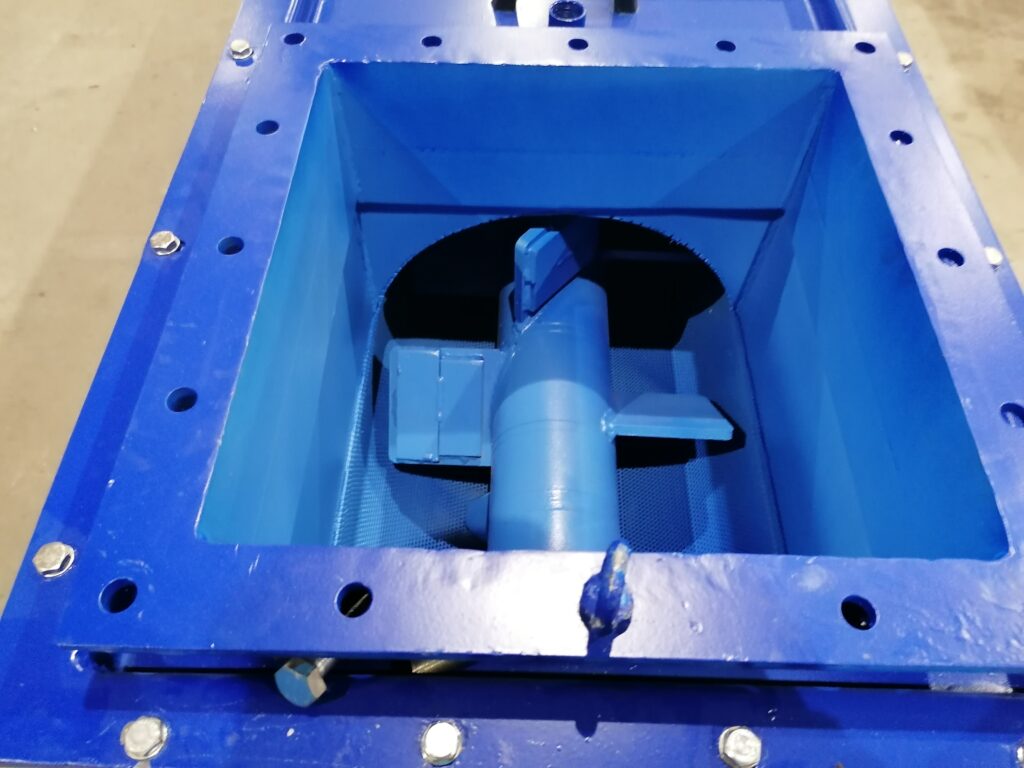
The machine typically consists of a rapidly rotating shaft fitted with paddles or blades housed within a perforated screen. As plastic flakes enter the machine, they are accelerated and subjected to intense friction against both the screen and surrounding material.
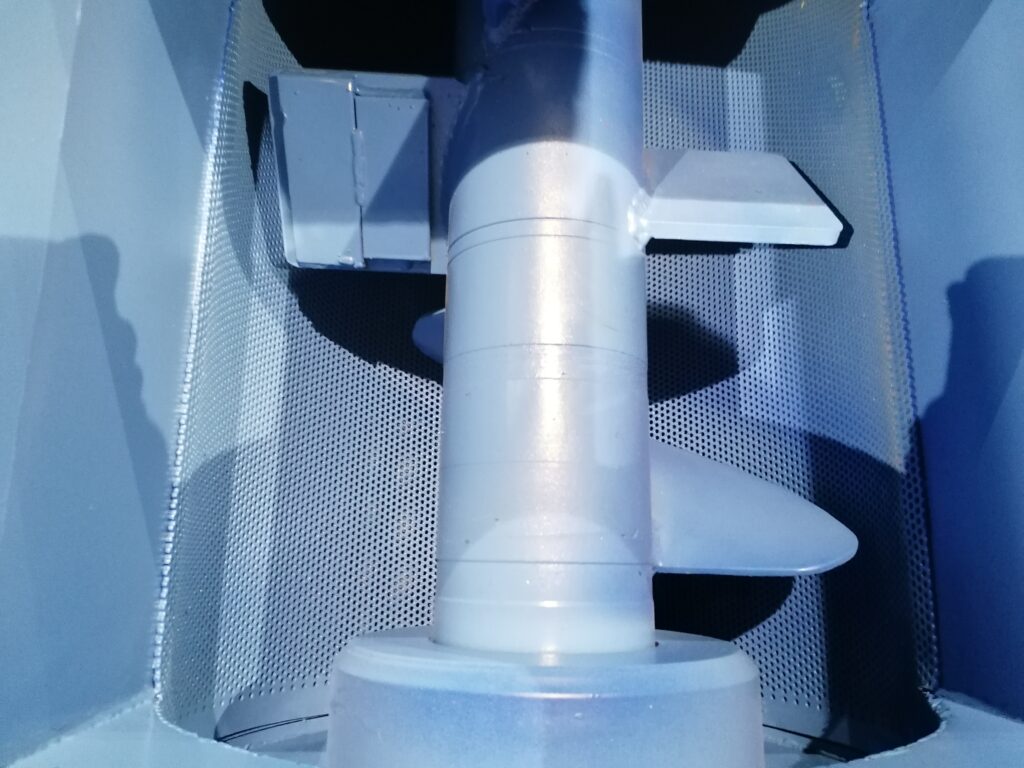
Water is introduced throughout the process, helping to loosen and flush away contaminants while the mechanical action of the rotor aggressively scrubs the plastic surface.
The result is cleaner plastic flakes that are better suited for downstream processing such as sink-float separation, drying, extrusion or pelletising.
How Do Friction Washers Work?
The operating principle of a friction washer are relatively straightforward but highly effective.
Material enters the machine through an inlet and is immediately engaged by a high-speed rotor. The rotating paddles create turbulence and friction that continuously agitates the material.
As the plastic travels through the machine:
- Dirt and dust are dislodged
- Paper labels are broken down
- Organic residues are removed
- Surface contamination is reduced
- Fine particles are separated from the plastic
The contaminated wash water and fines pass through the perforated screen while the cleaned material exits through the discharge end.
This combination of water, mechanical force and continuous processing makes friction washers one of the most effective cleaning technologies available in plastic recycling.
Why Are Friction Washers Important in Plastic Recycling?
Contamination remains one of the biggest challenges facing plastic recyclers.
Materials collected from commercial, industrial and municipal waste streams often contain dirt, sand, labels, adhesives, food residue, oils and other contaminants. If these materials are not effectively removed, they can negatively impact the quality of the recycled product and create processing issues later in the recycling line.
Friction washers helps overcome these challenges by:
- Improving material purity
- Increasing the value of recycled plastics
- Reducing contamination in final products
- Improving extrusion performance
- Minimising wear on downstream equipment
- Increasing overall plant efficiency
For many recycling operations, friction washers serves as a critical link between shredding and final cleaning stages.
Materials Commonly Processed Using Friction Washers
A friction washers can be used across a wide range of plastic recycling applications.
HDPE
Frequently used for containers, drums and bottles, HDPE often requires intensive washing to remove labels and contamination.
LDPE Film
Agricultural and post-consumer films can carry significant dirt and organic residue. A friction washer helps prepare the material for further washing and drying.
PP Plastics
Polypropylene packaging and industrial components benefit from additional scrubbing before extrusion.
PET Flakes
PET bottle recycling often utilises a friction washer to remove labels, glue residue and fines.
Mixed Rigid Plastics
Recycling facilities processing mixed streams can use a friction washer to improve overall material quality and consistency.
Benefits of Rotajet Friction Washers
Rotajet designs friction washers to meet the demands of modern recycling operations.
Key benefits include:
Superior Cleaning Performance
High-speed mechanical scrubbing effectively removes stubborn contamination from plastic surfaces.
Continuous Throughput
The machine is designed for continuous operation, supporting high production volumes and efficient processing.
Reduced Downstream Contamination
Cleaner material entering later stages improves the performance of separation, drying and extrusion equipment.
Durable Construction
Industrial-grade components are designed for demanding recycling environments and long service life.
Easy Integration
A Rotajet friction washer can be installed as a standalone machine or incorporated into a complete washing line.
Where Do Friction Washers Fit Within a Recycling Line?
A friction washer is commonly installed after shredding or granulation and before separation and drying stages.
A typical recycling process may include:
- Shredding or Size Reduction
- Pre-Washing
- Friction Washer
- Sink-Float Separation
- Rinsing
- Dewatering
- Thermal Drying
- Extrusion or Pelletising
By positioning the friction washer early in the process, contamination can be removed before it reaches more sensitive downstream equipment.
Choosing the Right Friction Washer
Every recycling application is different. Factors such as contamination levels, material type, throughput requirements and available space all influence equipment selection.
Rotajet works closely with customers to evaluate their material and recommend the most effective friction washer configuration for their specific requirements.
Free Material Trials
The best way to assess the effectiveness of a friction washer is to test your own material.
Rotajet offers free material trials, allowing our engineers to evaluate contamination levels, determine material cleanability and recommend the most suitable washing solution.
Whether you’re upgrading an existing recycling plant or designing a new facility, a Rotajet friction washer can help improve cleaning performance, increase recycled material quality and maximise the efficiency of your operation.
