
WEEE | PP | PE/HDPE/LDPE | PET | MIXED RIGIDS | FILMS | BATTERY | CONTAINER
The growing concern over electronic waste (WEEE) has led to stricter regulations and more opportunities for recycling businesses. With the introduction of the WEEE Directive, the responsibility for properly collecting and recycling waste electrical and electronic equipment has shifted to producers and distributors, creating a significant opportunity for recyclers. Approximately 500,000 tonnes of WEEE plastics were collected in recent years, and with predictions indicating a 12% increase in this figure, the potential for WEEE plastics recycling continues to rise.
At Rotajet, we offer comprehensive recycling solutions that process WEEE plastics efficiently and sustainably. Our advanced machinery is designed to handle everything from size reduction to washing, drying, and final bagging of WEEE waste plastics, providing businesses with the tools they need to meet rising demand while adhering to the latest environmental regulations.

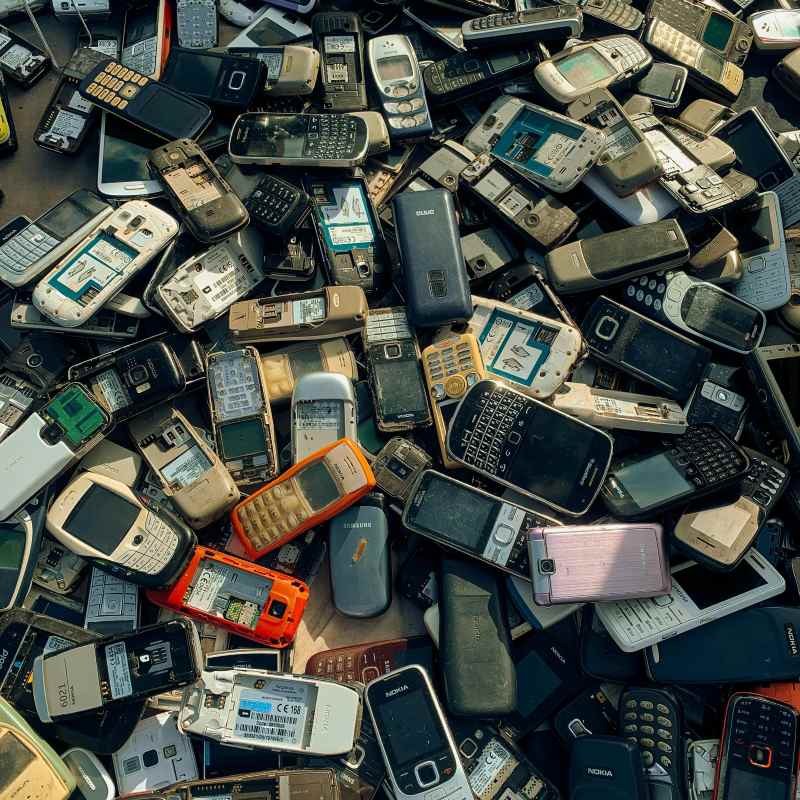
Each year, millions of tonnes of WEEE plastics are produced globally, with a staggering amount still going unrecycled. In fact, only 12.5% of WEEE items are currently recycled, leaving 43.75 million tonnes of e-waste sent to landfills each year. This represents a significant lost opportunity for both environmental sustainability and economic growth.
Recycling WEEE plastics not only reduces the harmful effects of plastic pollution but also conserves resources and energy. The process of manufacturing new electrical items requires substantial amounts of natural resources, including fossil fuels, chemicals, and fresh water. For example, producing a new desktop computer and monitor requires over 240 kg of fossil fuels, 21 kg of chemicals, and 1.5 tons of fresh water. By recycling WEEE plastics, these materials can be repurposed for new products, reducing the need for virgin resources and lessening the environmental footprint of manufacturing.
Rotajet’s WEEE plastics recycling lines are designed to process a wide range of WEEE materials efficiently. Our modular and scalable systems can handle throughput from 500 kg to 2 tonnes per hour, making them suitable for businesses of various sizes and capacities. Below is an overview of the key stages in the WEEE plastics recycling process:
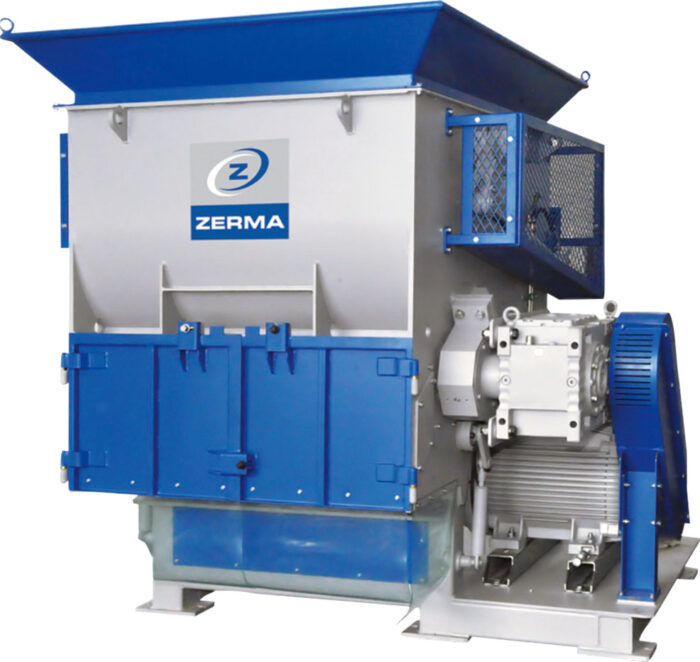
The first stage of the process involves size reduction. Using a Rotajet Shredder, WEEE plastics such as electrical components, cables, and casings are shredded into manageable pieces, typically down to 40-50 mm. This initial size reduction increases the surface area of the materials, facilitating easier handling and further processing.

The granulated plastics are then washed using a Rotajet Turbo Washer, which utilizes high-speed friction to remove contaminants such as dirt, oils, and adhesives. The combination of physical impact and chemical cleaning ensures that the materials are thoroughly cleaned and ready for downstream processing.
Once shredded, the materials are processed using a Rotajet Sink Float Tank, which separates plastics from other materials such as metals and glass. This step is particularly crucial in WEEE recycling, as many electrical items contain hazardous substances like bromine, which must be safely filtered out. Our Sink Float Tank is designed to remove harmful contaminants while ensuring high purity for the recycled plastics.


The separated plastics are then processed in a powerful wet granulator. The granulator reduces the material to small, uniform particles that are easier to handle and ready for further processing or reuse in new products. The granulator’s durable, heavy-duty construction ensures long-lasting performance in demanding recycling environments.

After washing, the granulated plastics are passed through a mechanical dryer. This machine efficiently reduces the moisture content of the material, preparing it for packaging and further use. The dryer operates with a high-speed rotor, ensuring consistent and effective dewatering of the plastics.

The final step in the process involves packaging the recycled plastic into bags for easy transportation and resale. The recycled material is now in a clean, dry, and granulated form, ready to be used in the production of new items.
Recycling WEEE plastics offers significant benefits for both businesses and the environment. By diverting e-waste from landfills and processing it into valuable materials, recyclers can generate new revenue streams while reducing the environmental impact of plastic waste. Additionally, WEEE recycling helps recover precious metals and valuable plastics that can be reused in manufacturing, minimizing the need for new resources.
At Rotajet, we are committed to providing safe, efficient, and sustainable recycling solutions for WEEE plastics. Our machines are designed to handle the specific challenges posed by e-waste materials, including the removal of hazardous substances like bromine. All our equipment is rigorously tested to ensure optimal performance, safety, and compliance with industry standards.
If you’re looking to integrate a WEEE plastics recycling system into your facility, Rotajet is here to help. Our expert team can work with you to design a tailored solution that meets your operational needs and maximizes efficiency. Whether you’re processing small electronics or large industrial e-waste, we have the right machinery for your business.
Request a quote or get in touch with our team today to find out more about our WEEE plastics recycling systems.