Why It Is Critical to Producing High-Quality Recycled Plastic
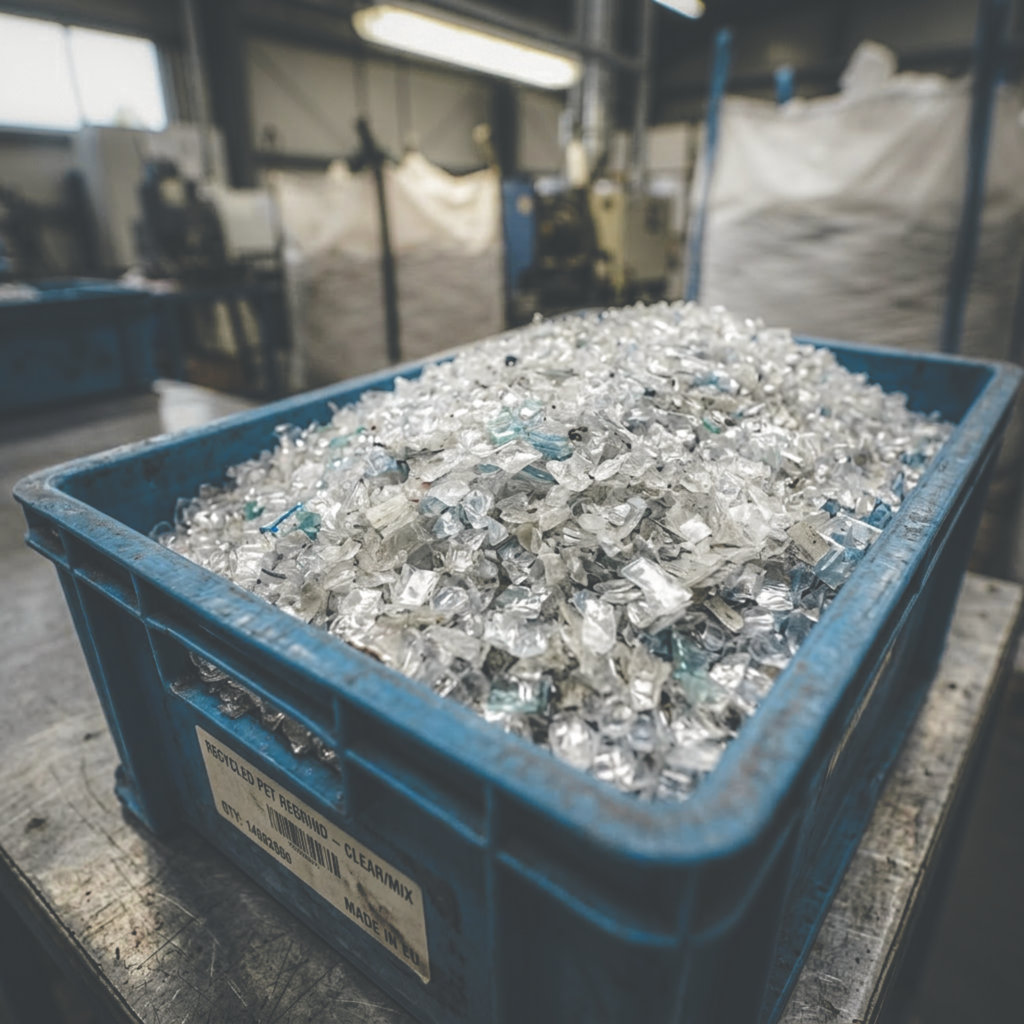
As plastic recycling technology continues to evolve, recyclers are under increasing pressure to produce cleaner, higher-quality recycled materials. While washing and separation often receive most of the attention, plastic drying remains one of the most important stages within any recycling process.
Effective plastic drying helps reduce moisture content, improve extrusion efficiency, increase product quality and minimise operational costs. Without adequate drying, even the cleanest plastic can cause downstream processing issues that reduce profitability and compromise the quality of the finished product.
At Rotajet Systems, we design and manufacture a range of plastic drying solutions that help recycling facilities achieve the moisture levels required for pelletising, extrusion and material reuse.
During the washing process, plastics are exposed to significant volumes of water used to remove contamination such as food residues, labels, adhesives, oils and dirt. While this cleaning stage is essential, it leaves the material carrying moisture that must be removed before further processing.
Insufficient plastic drying can result in:
Reduced extrusion performance
Increased energy consumption
Poor pellet quality
Material degradation
Inconsistent product quality
Higher processing costs
Reduced value of recycled material
By incorporating the correct plastic drying technology, recyclers can significantly improve plant performance while producing a higher-value end product.
Choosing the Right Plastic Drying Method
Every recycling application is different. The type of plastic, contamination level, throughput requirement and desired final moisture content all influence the most suitable drying solution.
Rotajet offers several plastic drying technologies designed to suit different applications and production requirements.
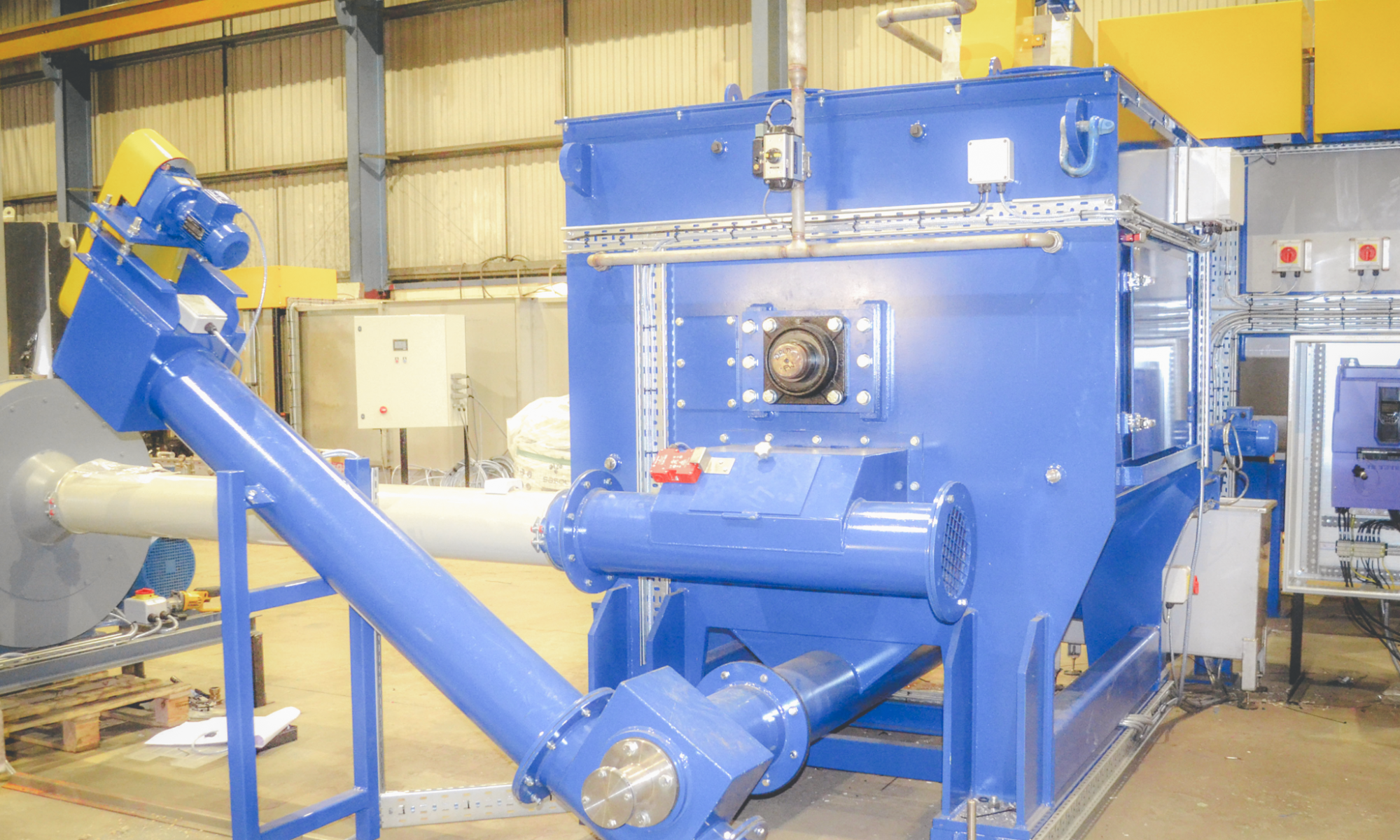
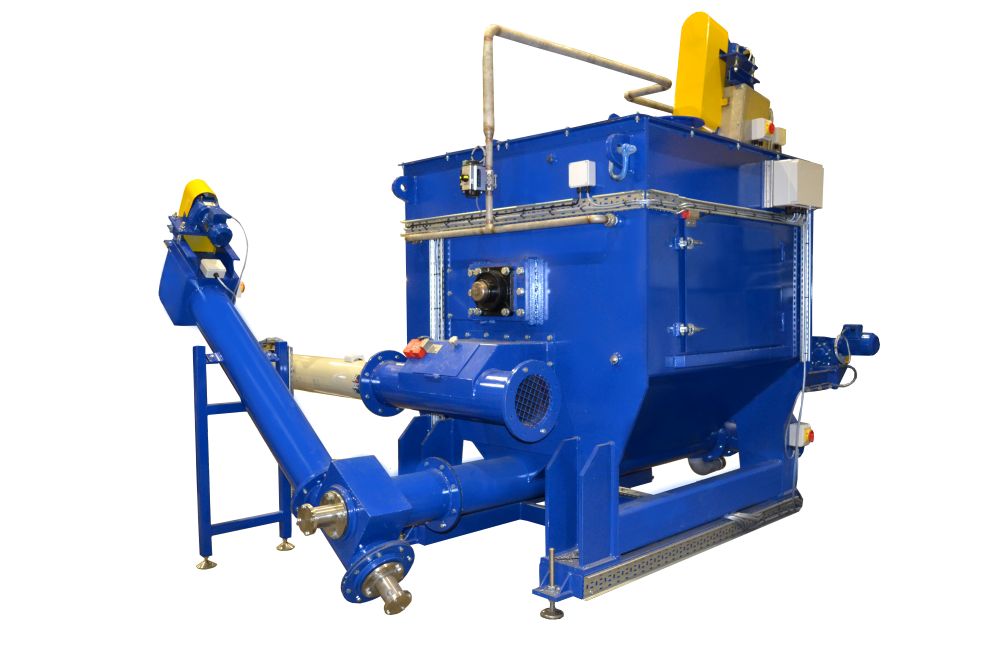
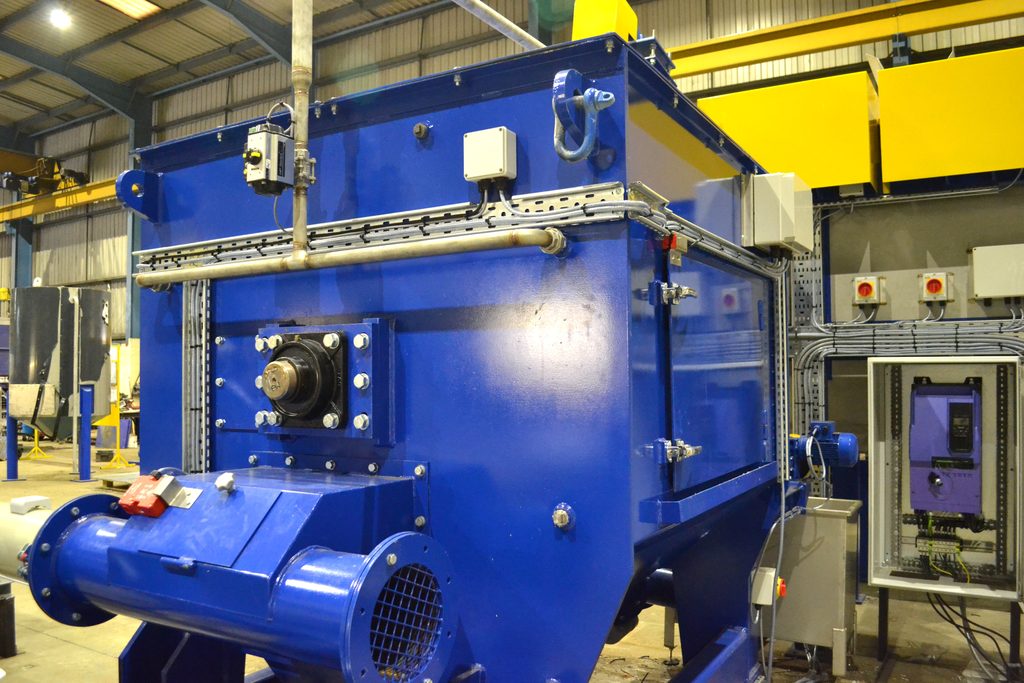
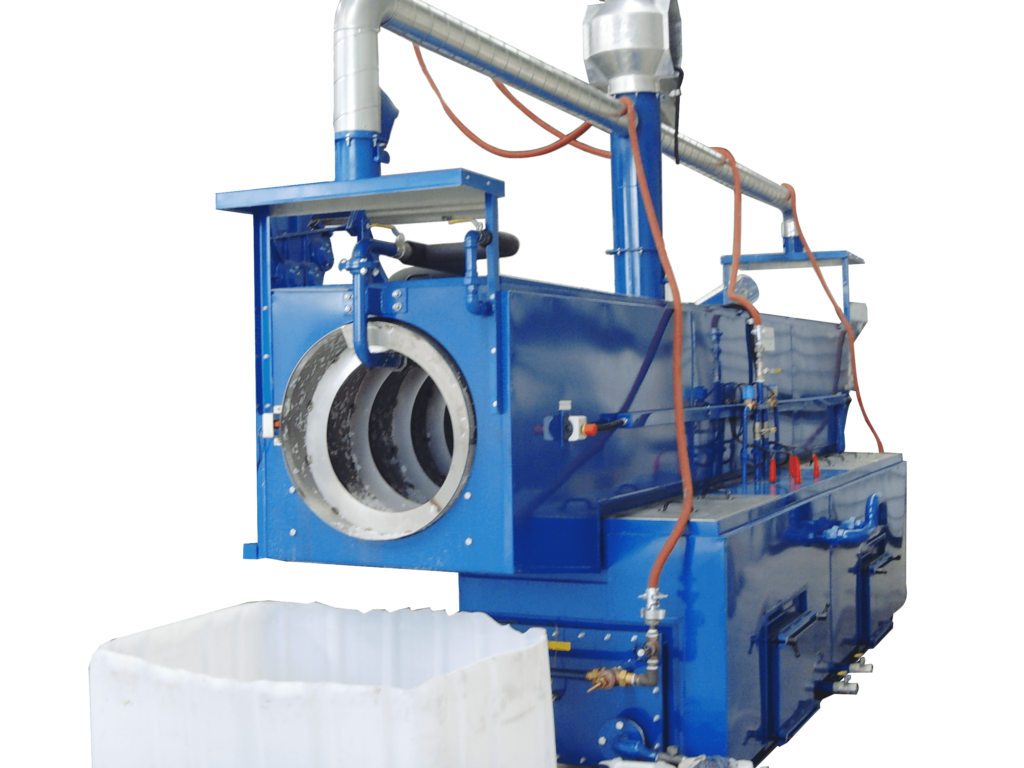
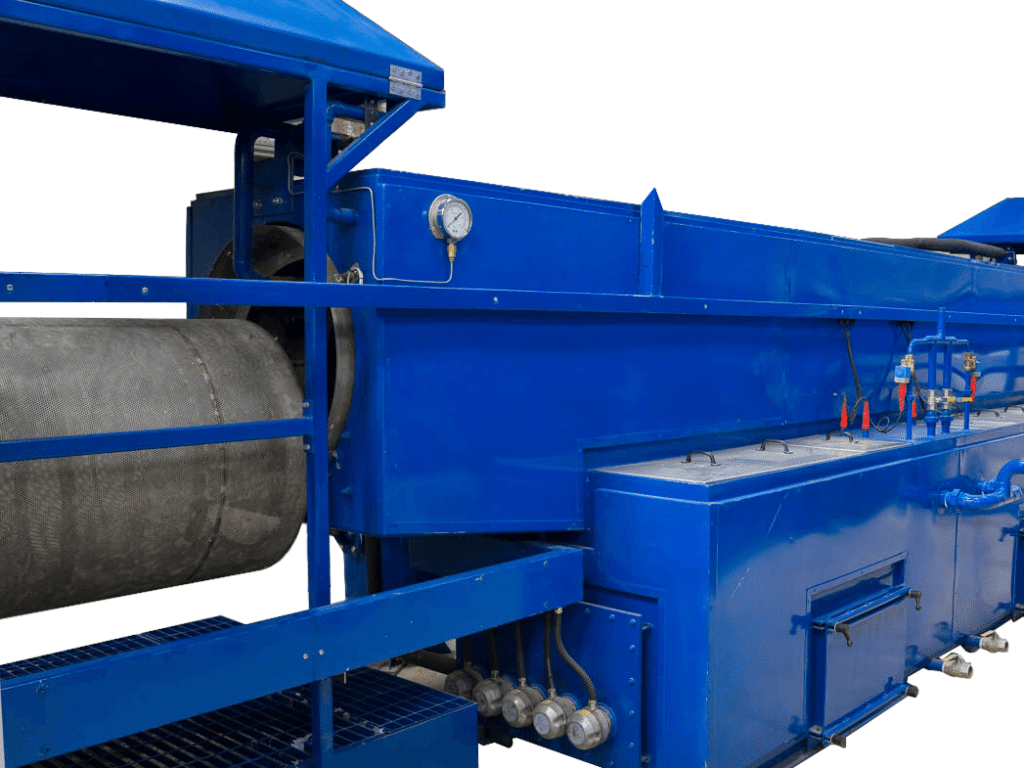
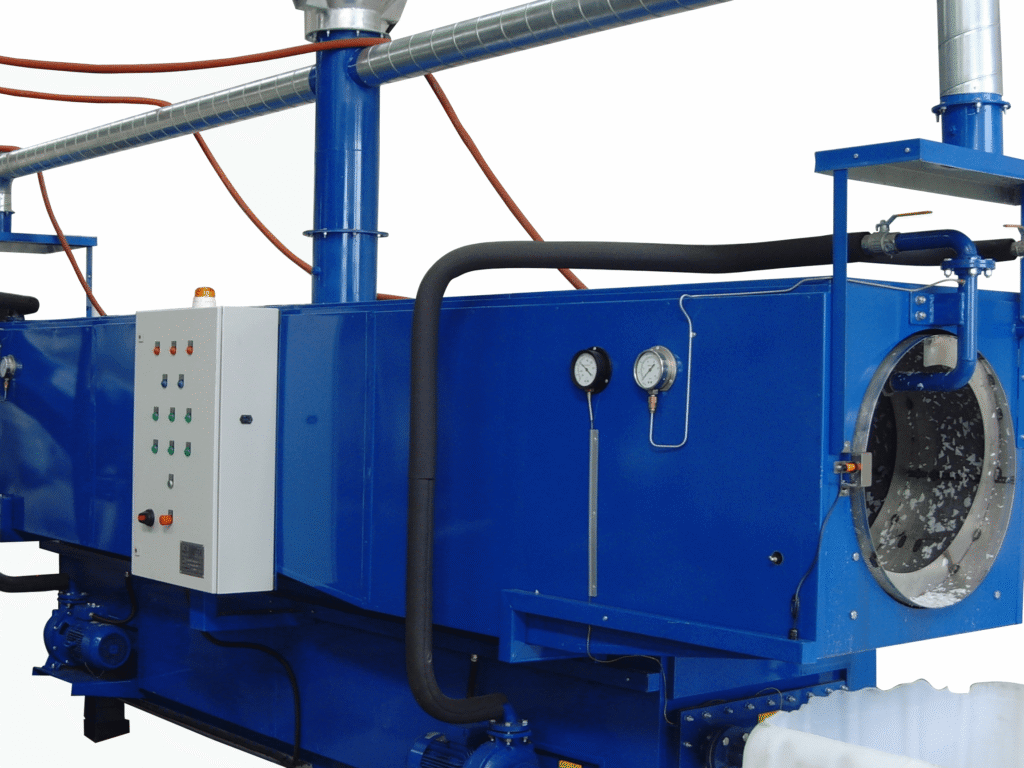
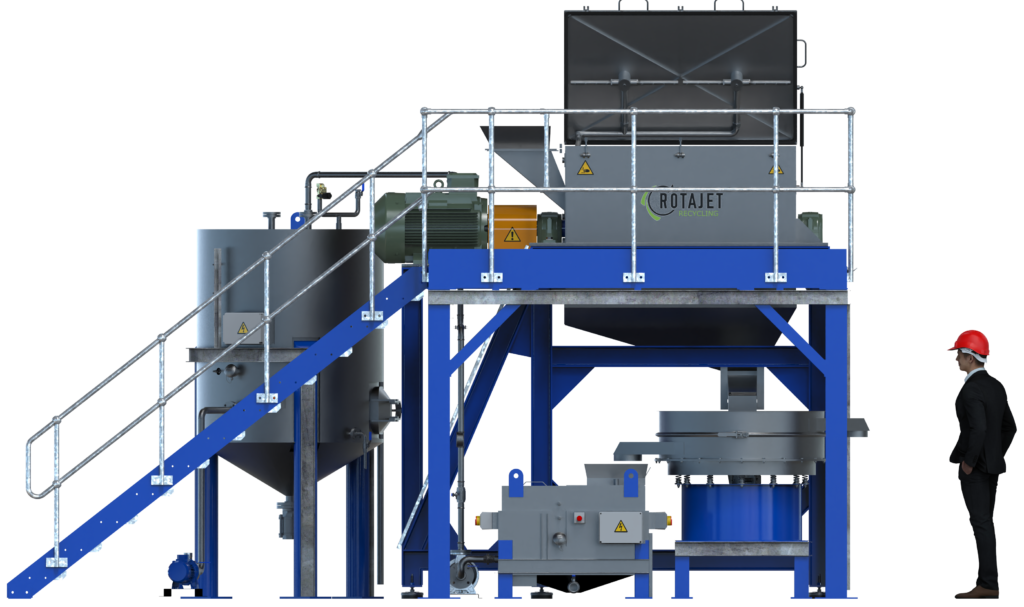
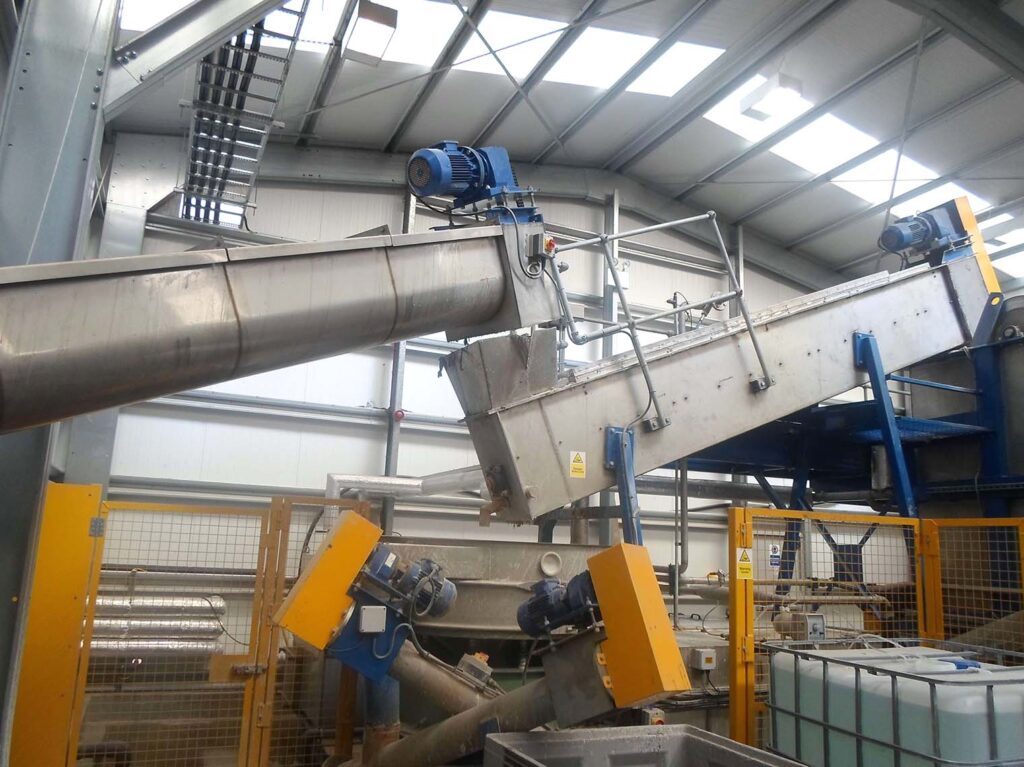
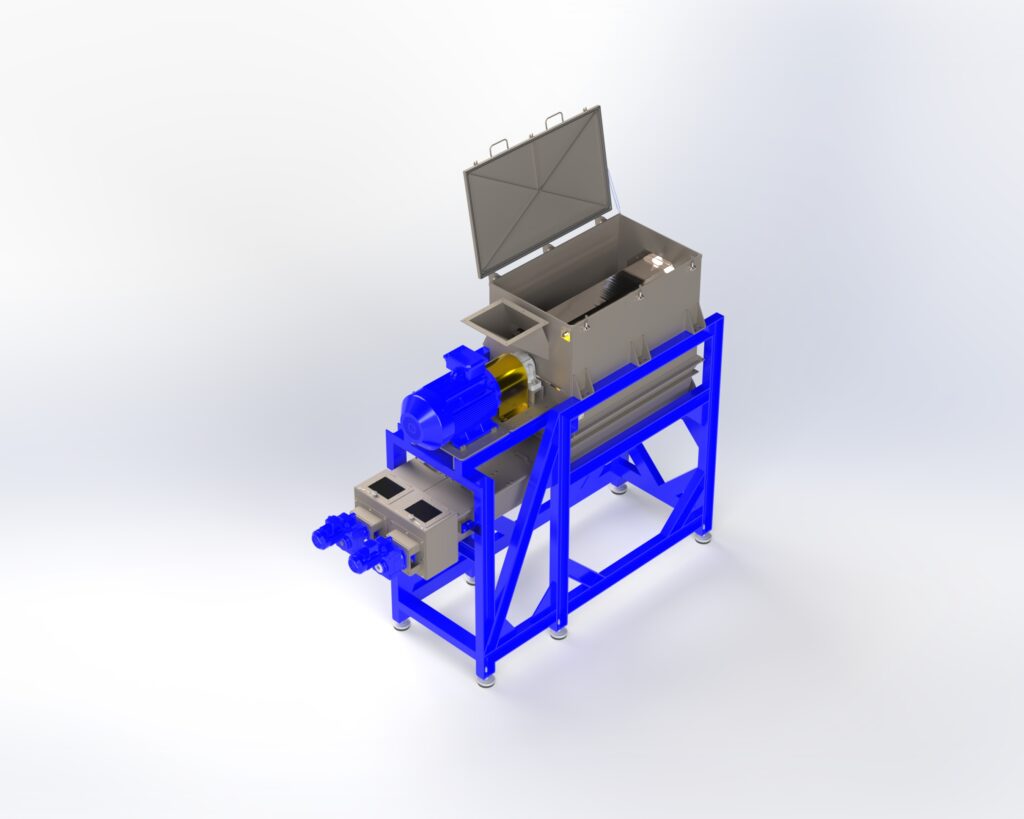
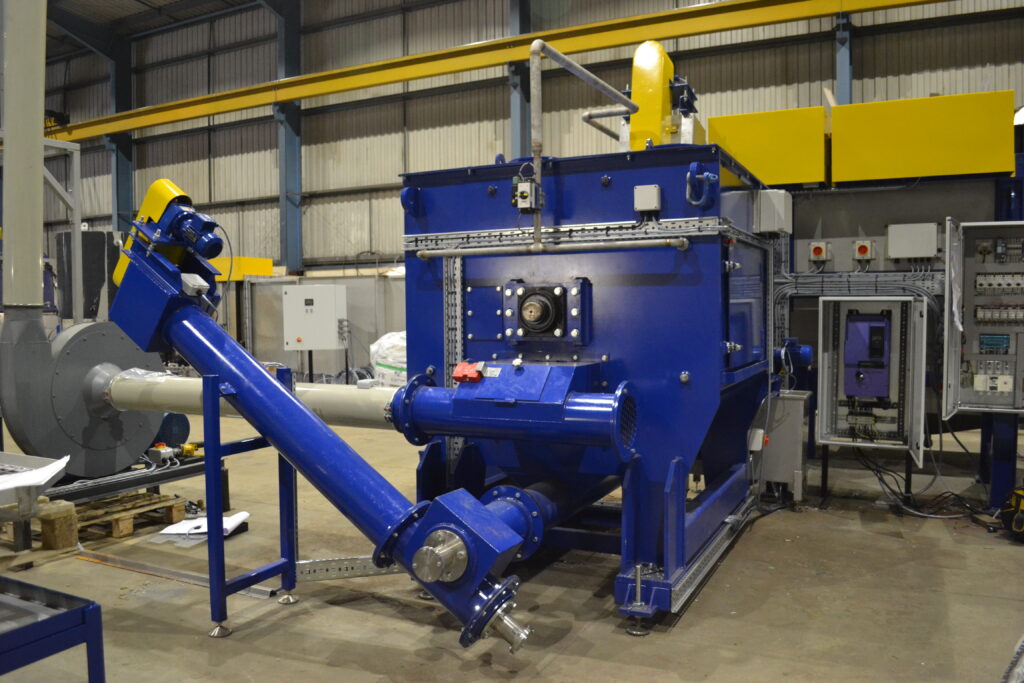
RJ-Turbo Friction Dryer
The RJ-Turbo is Rotajet’s high-speed friction dryer, designed to remove moisture and surface contamination simultaneously.
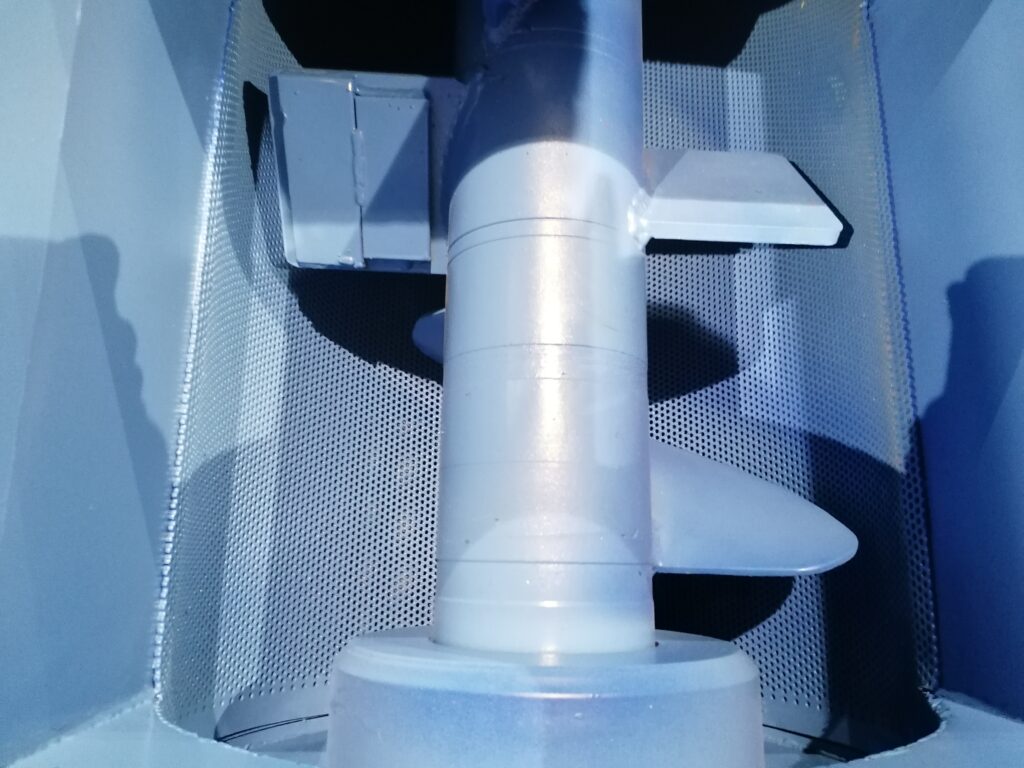
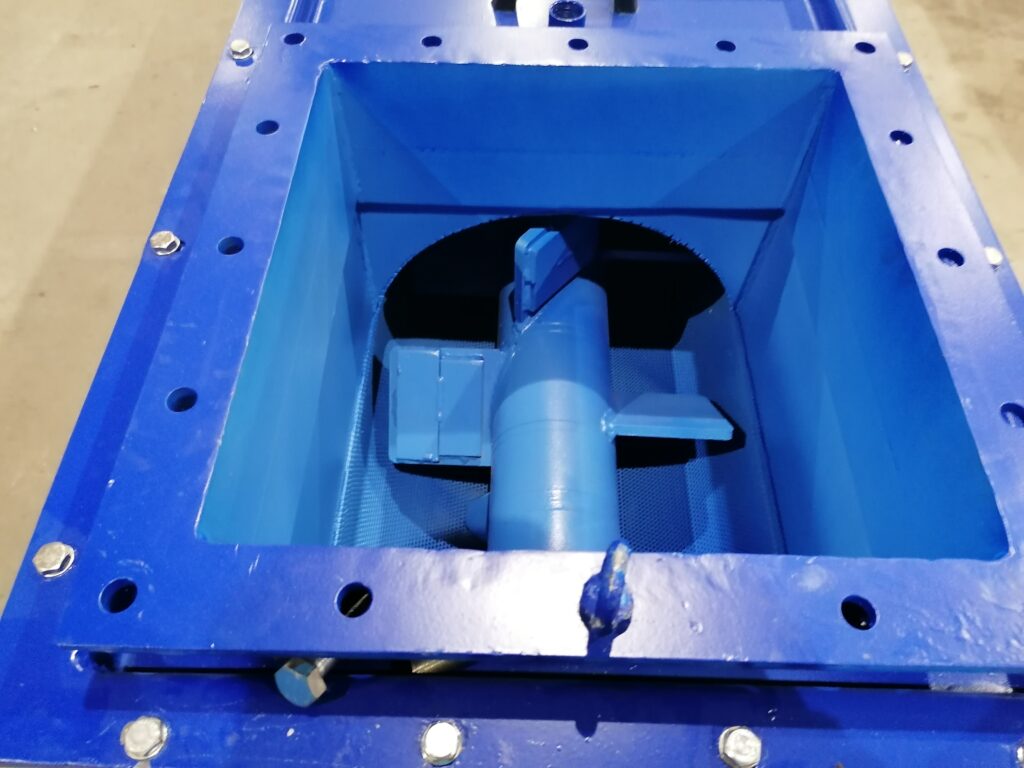
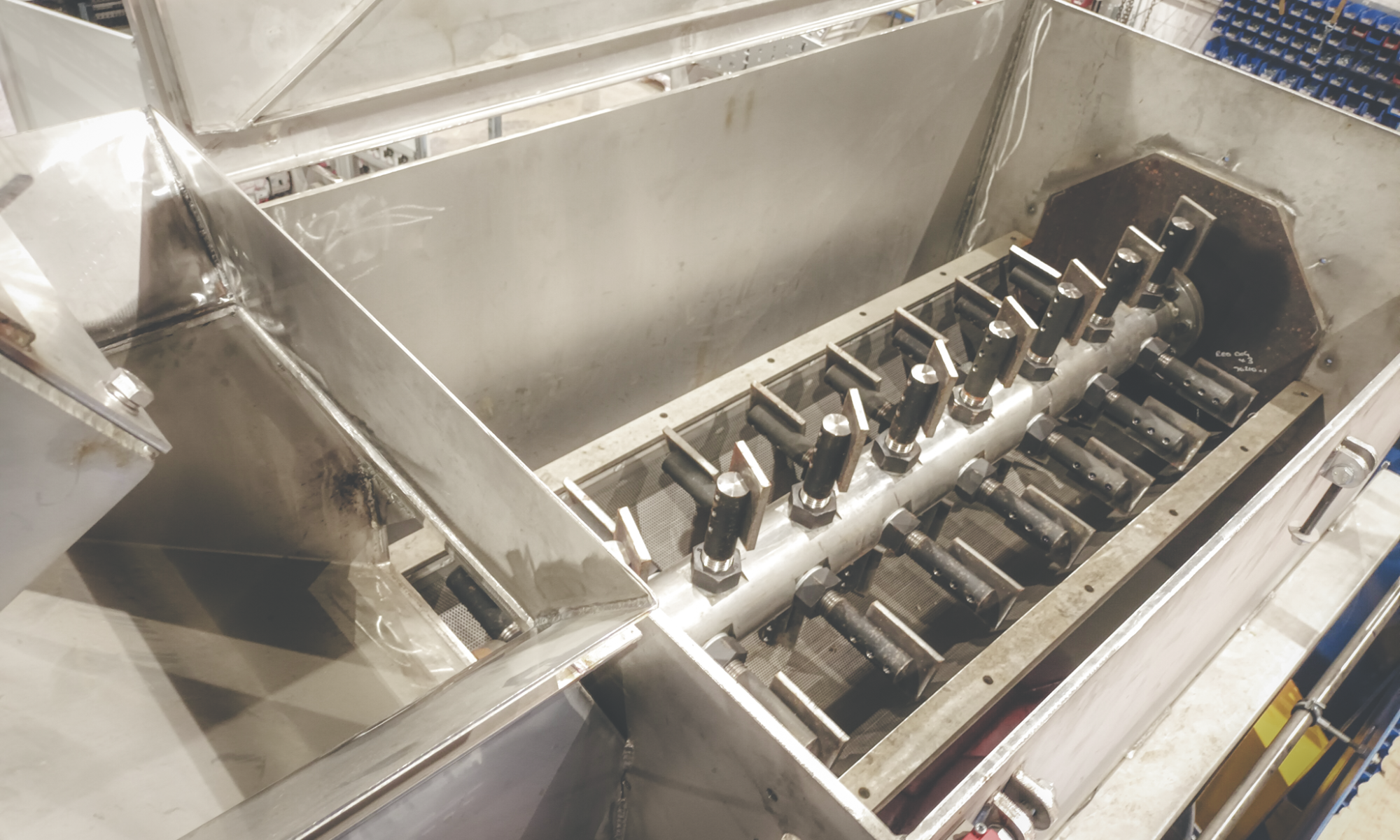
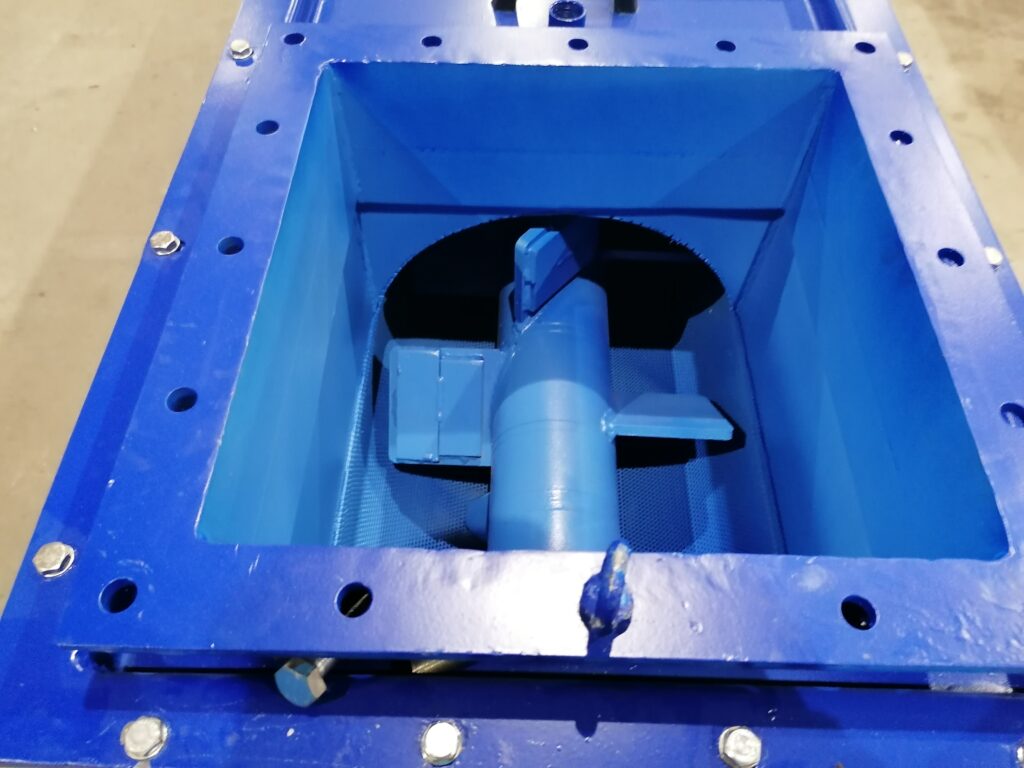
Using a powerful rotor fitted with 32 individually adjustable paddles protected by chromium carbide wear plates, the RJ-Turbo generates significant centrifugal force as material passes through the machine. This action forces moisture through a perforated screen while retaining the plastic inside the drying chamber.
The result is highly effective plastic drying combined with additional cleaning performance.
Key benefits include:
High-speed drying action
Moisture reduction and cleaning in one process
Adjustable performance to suit different materials
Suitable for rigid plastics and film
Standalone or integrated installation options
Low maintenance design
The RJ-Turbo can also be configured with spray jetting and recirculation systems where additional washing functionality is required.
Mechanical Plastic Dryers
Mechanical dryers are among the most widely used solutions for plastic drying due to their efficiency and relatively low operating costs.
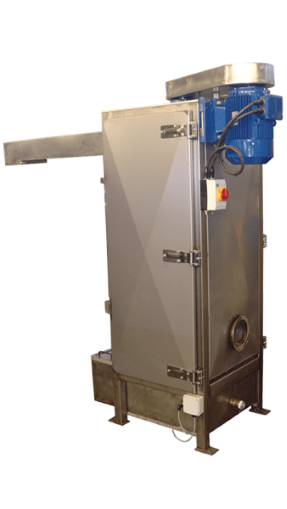
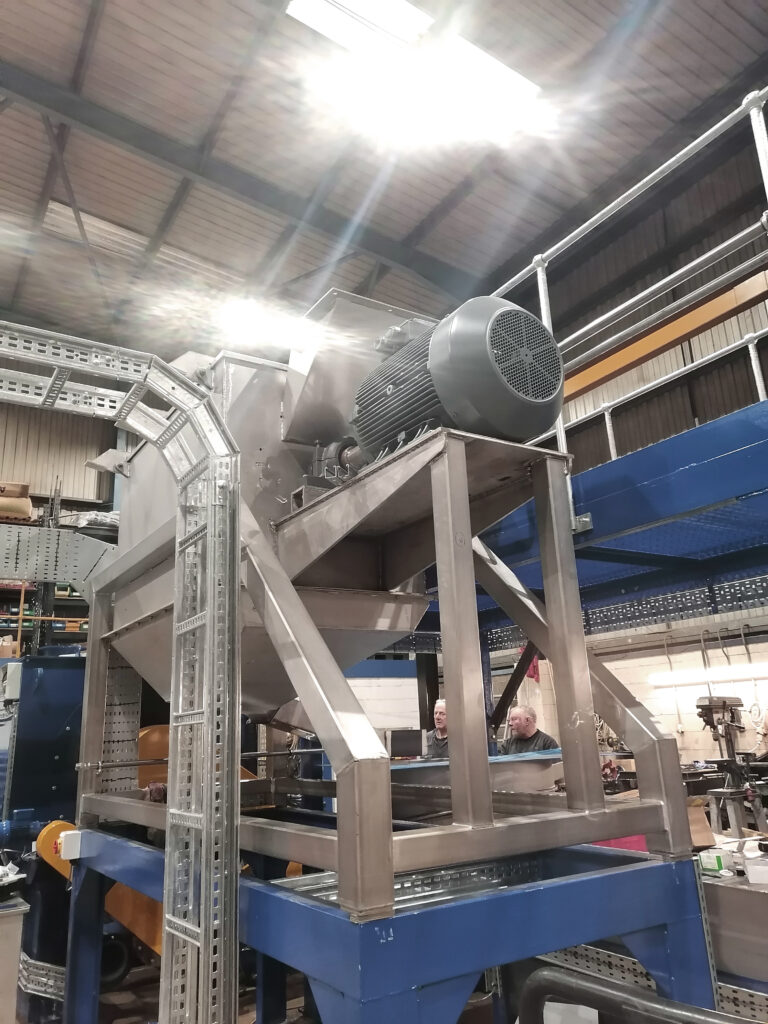
Rotajet manufactures both horizontal and vertical mechanical dryers that utilise centrifugal force to separate moisture from plastic flakes and granules.
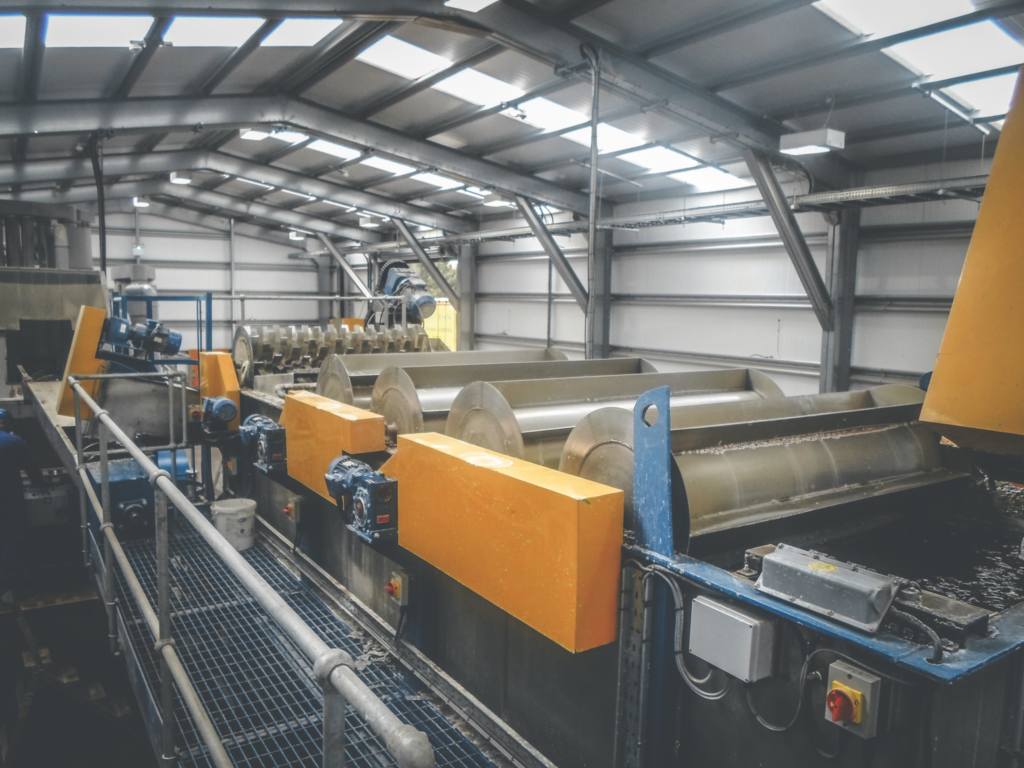
As material enters the machine, high-speed rotor paddles force the plastic against dewatering screens. Water passes through the screens while the dried material is discharged for further processing.
Mechanical plastic dryers can reduce moisture levels to approximately 1%, making them ideal for many recycling applications.
Benefits include:
Efficient moisture removal
Continuous operation
High throughput capabilities
Low energy consumption
Compact footprint options
Thermal Plastic Dryers
Certain applications require even lower moisture levels before extrusion or pelletising. In these situations, thermal drying provides the most effective solution.
Rotajet thermal dryers use high-volume airflow combined with controlled heating to further reduce residual moisture following mechanical dewatering stages.
Thermal drying can achieve moisture levels as low as 0.5%, helping recyclers produce material suitable for demanding downstream processes.
Advantages include:
Extremely low final moisture levels
Improved extrusion stability
Enhanced pellet quality
Suitable for demanding applications
Consistent drying performance
Screw Compactors for Film Drying
Plastic film presents unique challenges during plastic drying due to its large surface area and tendency to retain water.
To improve efficiency, Rotajet offers screw compactors that mechanically squeeze excess moisture from film before it enters the final drying stage.
This reduces drying times, lowers energy consumption and improves overall plant efficiency.
Screw compactors are particularly effective when processing:
LDPE film
LLDPE film
Agricultural film
Flexible packaging
Post-consumer film waste
Integrating Plastic Drying into Recycling Lines
The most effective recycling facilities treat plastic drying as part of an integrated process rather than a standalone operation.
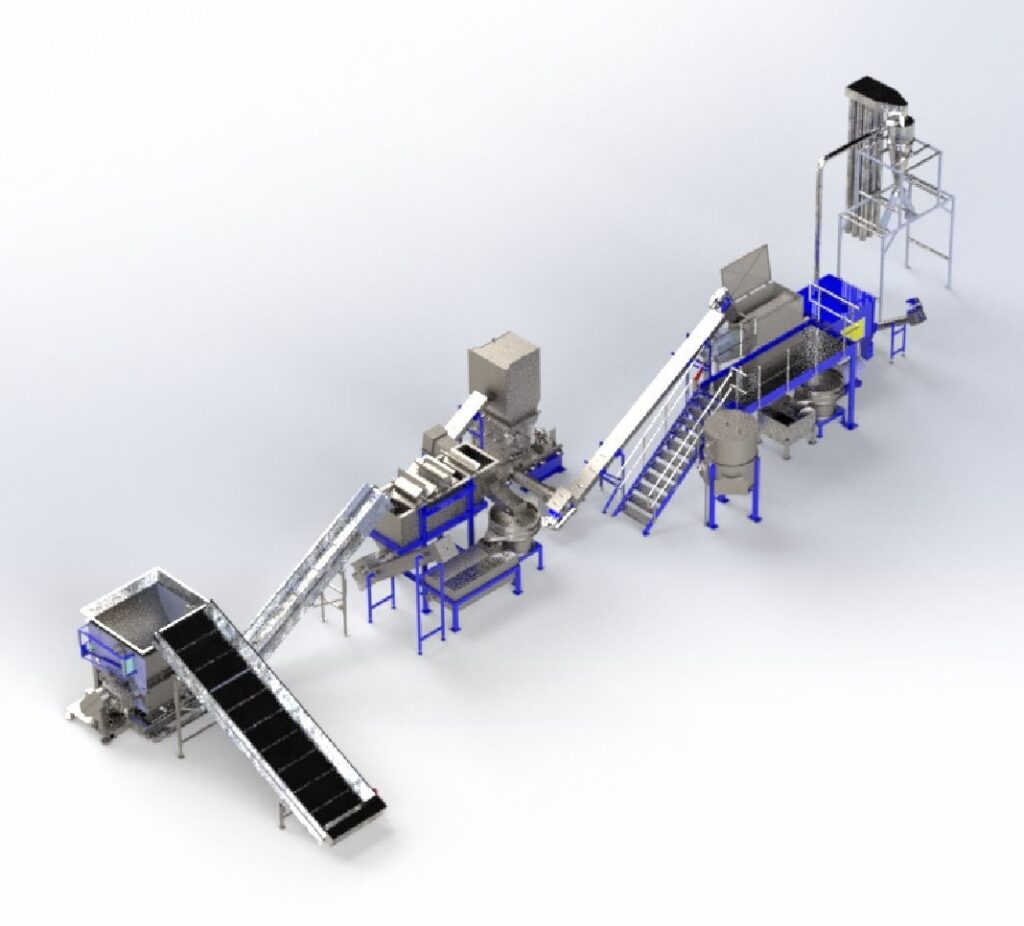
A typical recycling line may include:
Size reduction
Washing
Friction cleaning
Sink-float separation
Mechanical drying
Thermal drying
Material handling
Storage and bagging
By ensuring each stage works together, recyclers can maximise throughput, improve material quality and reduce operating costs.
Why Choose Rotajet for Plastic Drying?
Rotajet Systems designs and manufactures plastic recycling machinery in the UK, supplying both standalone equipment and complete recycling plants.
Our engineers work closely with customers to understand material characteristics, production requirements and target moisture levels before recommending the most suitable drying solution.
Whether you require an RJ-Turbo friction dryer, a mechanical dryer, a thermal dryer or a complete recycling system, Rotajet can provide the expertise, equipment and technical support needed to achieve reliable results.
Free Material Trials
The most effective way to determine the correct plastic drying solution is through testing. Rotajet offers free material trials, allowing our engineers to evaluate your feedstock, assess moisture levels and recommend the most suitable drying technology for your application.
As demand for high-quality recycled plastics continues to increase, recyclers face growing pressure to improve material quality while maintaining profitability. Contamination from labels, dirt, oils, adhesives and product residues can significantly reduce the value of recycled plastics, making effective washing systems essential to modern recycling operations.
One of the most effective solutions available today is the rotary washer. Designed to provide intensive cleaning while maintaining high throughput rates, rotary washers play a critical role in plastic recycling plants worldwide.
What Are Rotary Washers?
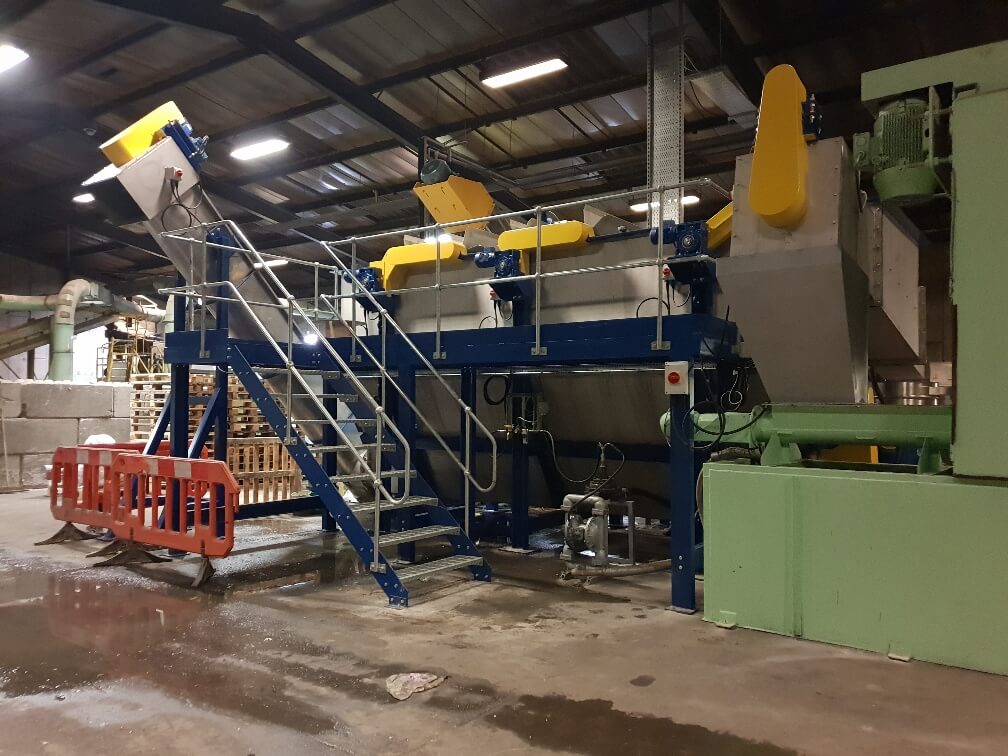
Rotary washers are industrial washing machines that use a rotating drum and carefully controlled water flow to clean plastic materials as they pass through the system. As the material moves through the rotating chamber, contamination is loosened and removed through a combination of mechanical agitation, friction and washing action.
The result is cleaner plastic material that is better suited for downstream processes such as sink-float separation, friction washing, drying, extrusion and pelletising.
For recycling businesses processing large volumes of material, rotary washers provide a reliable and efficient method of improving material quality before further processing.
How Rotary Washers Work
The operating principle of a rotary washer is relatively simple but highly effective.
Contaminated plastic material enters the rotating drum where it is continuously tumbled and exposed to washing water. The rotation creates movement between the plastic particles, helping to dislodge contamination while preventing material from becoming compacted.
As the material progresses through the washer, contaminants are separated and flushed away. Depending on the application, the washer may be integrated with filtration, water recirculation and additional cleaning stages to maximise performance.
The continuous nature of the process allows rotary washers to maintain consistent throughput while delivering repeatable cleaning results.
Benefits of Rotary Washers in Plastic Recycling
Improved Cleaning Performance
One of the primary advantages of rotary washers is their ability to remove a wide range of contaminants from plastic waste streams. Whether processing post-consumer plastics or industrial production waste, rotary washers help improve material cleanliness and consistency.
Increased Throughput
Modern recycling facilities require equipment capable of handling significant material volumes. Rotary washers are designed for continuous operation, allowing recyclers to process large quantities of plastic efficiently without sacrificing cleaning performance.
Reduced Operating Costs
By removing contamination earlier in the recycling process, rotary washers help improve the efficiency of downstream equipment. Cleaner material reduces wear on machinery and can lower overall processing costs.
Better Recycled Plastic Quality
Producing high-quality recycled material is essential for achieving premium market value. Effective washing reduces contamination levels, resulting in cleaner flakes and regrind suitable for higher-value applications.
Flexible Integration
Rotary washers can be incorporated into new or existing recycling systems. Whether installed as a standalone machine or as part of a complete washing line, they provide a flexible solution for a wide range of recycling operations.
Applications for Rotary Washers
Rotary washers are suitable for processing many different plastic materials and products, including:
HDPE containers
LDPE materials
PP plastics
PET bottles
Plastic drums
Industrial packaging
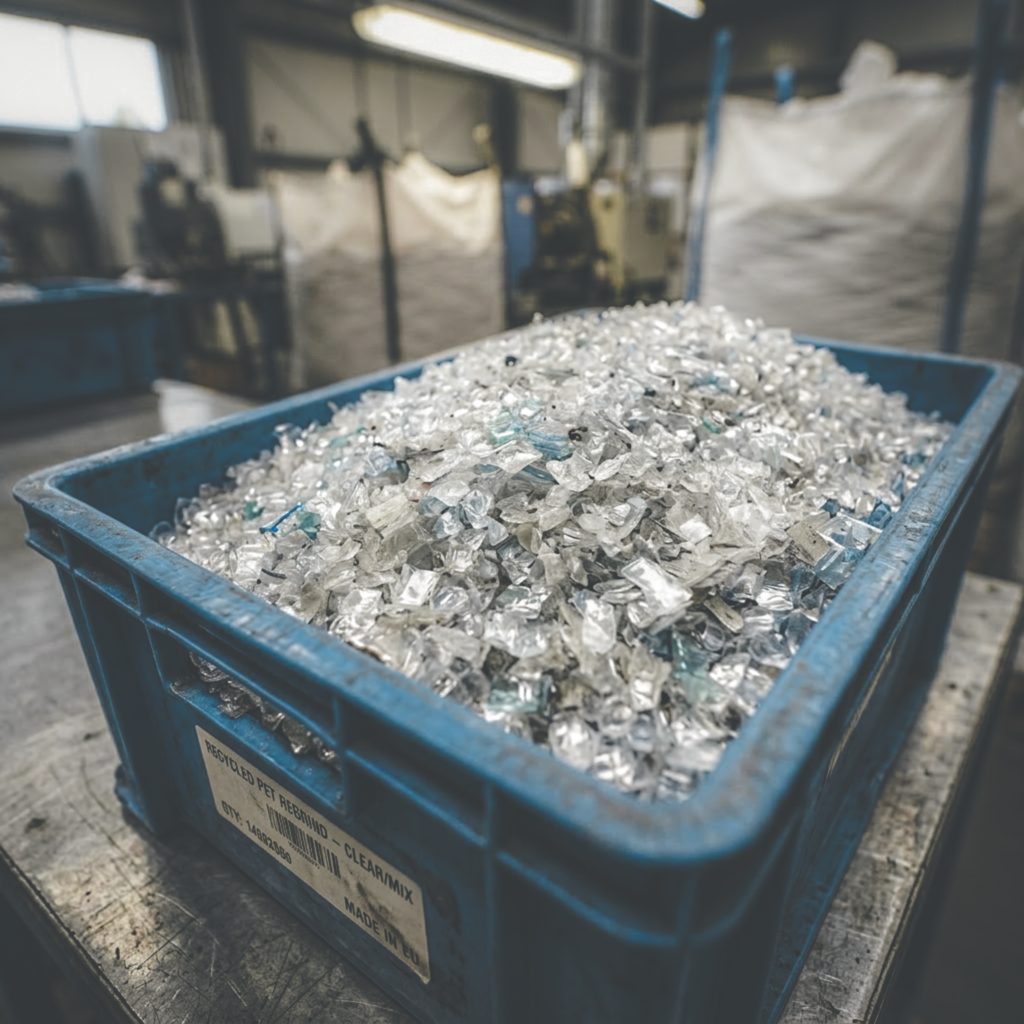
Bottle flakes
Mixed rigid plastics
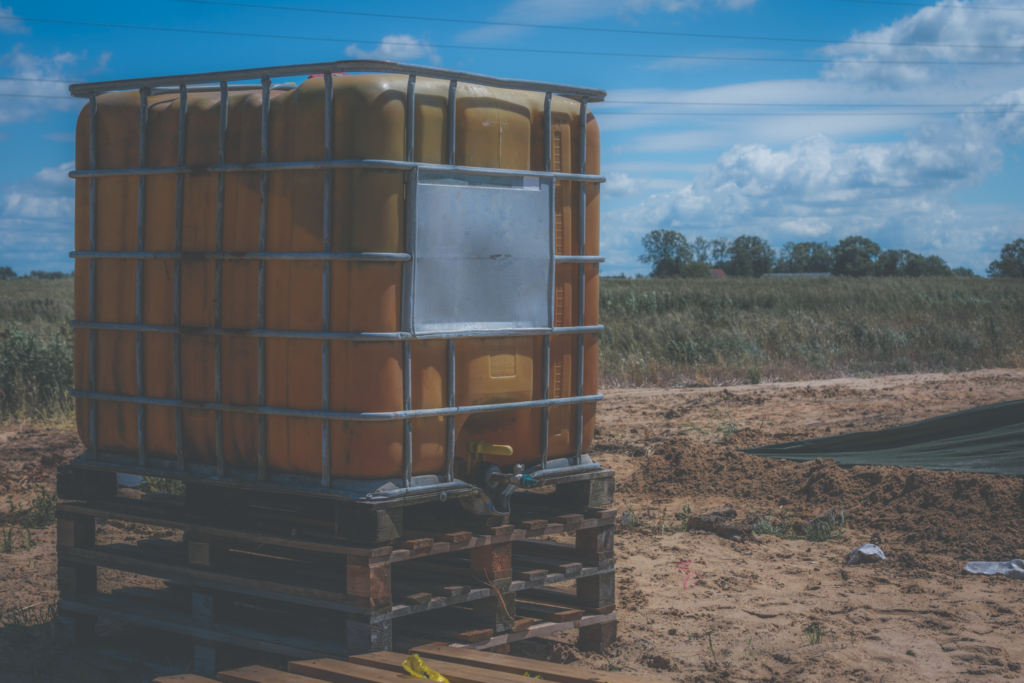
IBC components
Production scrap and regrind
Each material presents different contamination challenges, which is why selecting the correct washing solution is critical to achieving the desired cleaning performance.
Rotary Washers as Part of an Integrated Washing Line
Although rotary washers can deliver excellent results as standalone machines, they are often most effective when incorporated into a complete recycling system.
A typical plastic washing line may include:
Shredding and size reduction
Rotary washing
Friction washing
Sink-float separation
Hot washing
Rinsing
Dewatering
Thermal drying
When each stage is designed to work together, recyclers benefit from improved efficiency, increased automation and more consistent product quality.
Why Choose Rotajet Rotary Washers?
Rotajet Systems designs and manufactures industrial recycling equipment for customers throughout the recycling industry. Our rotary washers are engineered to provide reliable cleaning performance while integrating seamlessly with existing or new recycling plants.
Whether you are processing rigid plastics, plastic drums, bottles or industrial packaging waste, our engineering team can develop a solution tailored to your material, throughput requirements and production objectives.
From standalone rotary washers to complete turnkey recycling systems, Rotajet provides equipment, installation, commissioning and ongoing technical support to help recyclers maximise performance and profitability.
Free Material Trials
Every recycling application is unique. That’s why Rotajet offers free material trials to evaluate your plastic feedstock and determine the most effective washing process.
By testing your material, we can recommend the ideal rotary washer configuration and wider recycling system to achieve the best possible results.
Contact Rotajet Systems today to discuss your project and discover how our rotary washers can help you produce cleaner, higher-value recycled plastics.
Why Every Modern Plastic Recycling Plant Needs Friction Washers
As demand for high-quality recycled plastics continues to increase, recycling companies face growing pressure to produce cleaner material while maintaining high throughput and competitive operating costs. One of the most important pieces of equipment in any plastic washing line is friction washers.
Friction washers play a vital role in removing contamination from plastic flakes, film and regrind before the material progresses through the recycling process. Whether processing post-consumer plastics, industrial scrap or heavily contaminated packaging waste, a friction washer can significantly improve the quality of the final recycled product.
Friction washers are high-speed cleaning machine designed to remove contaminants from plastic material through mechanical scrubbing action.
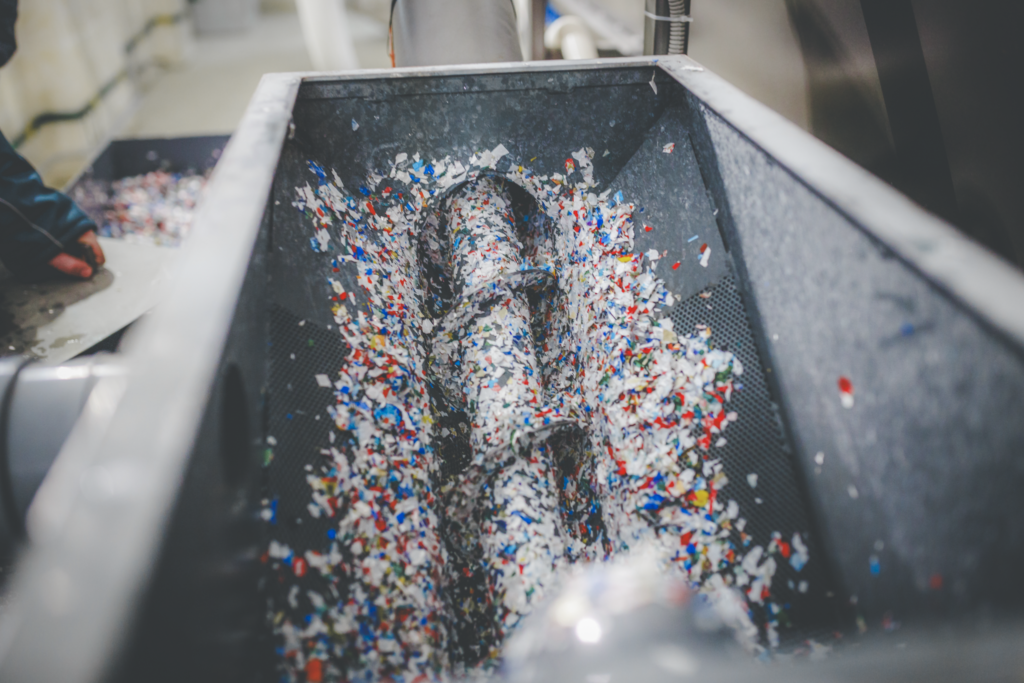
The machine typically consists of a rapidly rotating shaft fitted with paddles or blades housed within a perforated screen. As plastic flakes enter the machine, they are accelerated and subjected to intense friction against both the screen and surrounding material.
Water is introduced throughout the process, helping to loosen and flush away contaminants while the mechanical action of the rotor aggressively scrubs the plastic surface.
The result is cleaner plastic flakes that are better suited for downstream processing such as sink-float separation, drying, extrusion or pelletising.
How Do Friction Washers Work?
The operating principle of a friction washer are relatively straightforward but highly effective.
Material enters the machine through an inlet and is immediately engaged by a high-speed rotor. The rotating paddles create turbulence and friction that continuously agitates the material.
As the plastic travels through the machine:
Dirt and dust are dislodged
Paper labels are broken down
Organic residues are removed
Surface contamination is reduced
Fine particles are separated from the plastic
The contaminated wash water and fines pass through the perforated screen while the cleaned material exits through the discharge end.
This combination of water, mechanical force and continuous processing makes friction washers one of the most effective cleaning technologies available in plastic recycling.
Why Are Friction Washers Important in Plastic Recycling?
Contamination remains one of the biggest challenges facing plastic recyclers.
Materials collected from commercial, industrial and municipal waste streams often contain dirt, sand, labels, adhesives, food residue, oils and other contaminants. If these materials are not effectively removed, they can negatively impact the quality of the recycled product and create processing issues later in the recycling line.
Friction washers helps overcome these challenges by:
Improving material purity
Increasing the value of recycled plastics
Reducing contamination in final products
Improving extrusion performance
Minimising wear on downstream equipment
Increasing overall plant efficiency
For many recycling operations, friction washers serves as a critical link between shredding and final cleaning stages.
Materials Commonly Processed Using Friction Washers
A friction washers can be used across a wide range of plastic recycling applications.
HDPE
Frequently used for containers, drums and bottles, HDPE often requires intensive washing to remove labels and contamination.
LDPE Film
Agricultural and post-consumer films can carry significant dirt and organic residue. A friction washer helps prepare the material for further washing and drying.
PP Plastics
Polypropylene packaging and industrial components benefit from additional scrubbing before extrusion.
PET Flakes
PET bottle recycling often utilises a friction washer to remove labels, glue residue and fines.
Mixed Rigid Plastics
Recycling facilities processing mixed streams can use a friction washer to improve overall material quality and consistency.
Benefits of Rotajet Friction Washers
Rotajet designs friction washers to meet the demands of modern recycling operations.
Key benefits include:
Superior Cleaning Performance
High-speed mechanical scrubbing effectively removes stubborn contamination from plastic surfaces.
Continuous Throughput
The machine is designed for continuous operation, supporting high production volumes and efficient processing.
Reduced Downstream Contamination
Cleaner material entering later stages improves the performance of separation, drying and extrusion equipment.
Durable Construction
Industrial-grade components are designed for demanding recycling environments and long service life.
Easy Integration
A Rotajet friction washer can be installed as a standalone machine or incorporated into a complete washing line.
Where Do Friction Washers Fit Within a Recycling Line?
A friction washer is commonly installed after shredding or granulation and before separation and drying stages.
A typical recycling process may include:
Shredding or Size Reduction
Pre-Washing
Friction Washer
Sink-Float Separation
Rinsing
Dewatering
Thermal Drying
Extrusion or Pelletising
By positioning the friction washer early in the process, contamination can be removed before it reaches more sensitive downstream equipment.
Choosing the Right Friction Washer
Every recycling application is different. Factors such as contamination levels, material type, throughput requirements and available space all influence equipment selection.
Rotajet works closely with customers to evaluate their material and recommend the most effective friction washer configuration for their specific requirements.
Free Material Trials
The best way to assess the effectiveness of a friction washer is to test your own material.
Rotajet offers free material trials, allowing our engineers to evaluate contamination levels, determine material cleanability and recommend the most suitable washing solution.
Whether you’re upgrading an existing recycling plant or designing a new facility, a Rotajet friction washer can help improve cleaning performance, increase recycled material quality and maximise the efficiency of your operation.
How Plastic Recyclers Can Improve Material Quality and Increase Throughput
As demand for recycled plastics continues to grow, recyclers face increasing pressure to produce cleaner material while maintaining high production rates. Contamination remains one of the biggest challenges in plastic recycling, affecting material quality, processing efficiency and the value of the finished product. This is where high speed washing technology plays a critical role.
Modern high speed washing systems are designed to remove contaminants from plastic flakes quickly and efficiently, helping recyclers improve product quality while increasing throughput and reducing operating costs. Whether processing HDPE, LDPE, PP, PET, rigid plastics or industrial packaging waste, an effective washing stage can significantly enhance the performance of an entire recycling line.
High speed washing is a mechanical cleaning process that uses friction, water and centrifugal force to remove contaminants from plastic material.
Unlike conventional washing methods that rely primarily on soaking or rinsing, a high speed washer aggressively scrubs the surface of plastic flakes. As material moves through the machine, rotating paddles create friction between the plastic particles and water, helping to dislodge dirt, labels, adhesives, oils, food residues and other contaminants.
The result is cleaner material entering the next stage of the recycling process.
Why High Speed Washing Is Important
The quality of recycled plastic is directly linked to the effectiveness of the washing process.
If contaminants remain on the material, they can create problems during extrusion, pelletising and final product manufacturing. Poorly cleaned plastics may lead to reduced product quality, increased machine wear and lower market value for the recycled material.
Implementing a dedicated high speed washing stage allows recyclers to:
Improve contamination removal
Produce higher-quality recycled plastics
Increase throughput rates
Reduce downstream processing issues
Improve drying efficiency
Enhance the value of recycled material
Reduce waste and product rejection
For many recycling facilities, investing in improved washing technology can deliver significant long-term operational benefits.
How High Speed Plastic Washers Work
A high speed plastic washer typically consists of a rotating shaft fitted with multiple paddles enclosed within a robust housing.
As plastic flakes enter the machine, they are accelerated through the washing chamber where friction and turbulence help separate contamination from the material surface. Water introduced into the process assists with contaminant removal while carrying loosened particles away from the plastic.
The combination of mechanical action and water washing creates an intensive cleaning environment capable of handling heavily contaminated materials.
Following the high speed washing stage, the material can move to additional separation, rinsing, dewatering and drying processes depending on the application.
Suitable Applications for High Speed Washing
High speed washing systems are widely used throughout the plastics recycling industry and can process a broad range of materials.
Typical applications include:
Rigid Plastics
Contaminated rigid plastic containers often contain dirt, labels and residual product. High speed washing helps prepare these materials for further processing.
Plastic Bottles
Bottle recycling operations frequently use high speed washing to remove adhesives, paper labels and surface contamination before pelletising.
Industrial Packaging
Drums, containers and industrial packaging waste can accumulate significant contamination during use. Intensive washing improves the quality of the recovered plastic.
Production Scrap
Manufacturing waste often requires cleaning before reprocessing. High speed washing can help ensure a consistent feedstock for reuse.
Mixed Plastic Streams
Where multiple material types are processed, effective washing becomes essential for maintaining product quality and improving separation efficiency.
Integrating High Speed Washing into a Recycling Line
While standalone machines can deliver significant benefits, the greatest results are often achieved when high speed washing is integrated into a complete recycling system.
A typical plastic recycling line may include:
Shredding or granulation
Pre-washing
High speed washing
Sink-float separation
Hot washing (where required)
Rinsing
Dewatering
Drying
Material handling and storage
Each stage contributes to the overall effectiveness of the process, ensuring contaminants are removed while preserving material quality.
By integrating equipment throughout the line, recyclers can achieve greater automation, improved consistency and higher throughput.
Why Choose Rotajet High Speed Plastic Washers?
Rotajet designs and manufactures recycling equipment for a wide range of plastic processing applications. Our high speed plastic washers are engineered to provide effective contamination removal while maintaining reliable, continuous operation.
Key benefits include:
Heavy-duty industrial construction
High throughput capability
Efficient contaminant removal
Reduced maintenance requirements
Integration with complete recycling systems
Support for a wide range of plastic materials
Whether you require a standalone washer or a complete recycling plant, our engineering team can develop a solution tailored to your material and production requirements.
Free Material Trials
The best way to evaluate a recycling process is to test your own material.
Rotajet offers free material trials, allowing our engineers to assess contamination levels, washing requirements and expected performance before recommending the most suitable solution.
Size reduction is one of the most important stages within any recycling process. Before materials can be washed, separated, dried or reprocessed, they must first be reduced to a consistent size that allows downstream equipment to operate efficiently.
Modern size reduction equipment enables recyclers to transform bulky waste materials into manageable feedstock, improving material handling, increasing throughput and enhancing overall plant performance.
For recycling facilities processing plastics, industrial packaging, drums, IBCs and production scrap, effective size reduction can significantly reduce operating costs while increasing the value of the finished recycled product.
Why Is Size Reduction Important?
The primary purpose of size reduction is to create a consistent material size suitable for further processing.
Without effective size reduction, recycling plants can experience:
By implementing the correct size reduction equipment, operators can optimise the entire recycling process.
Types of Size Reduction Equipment
Industrial Shredders
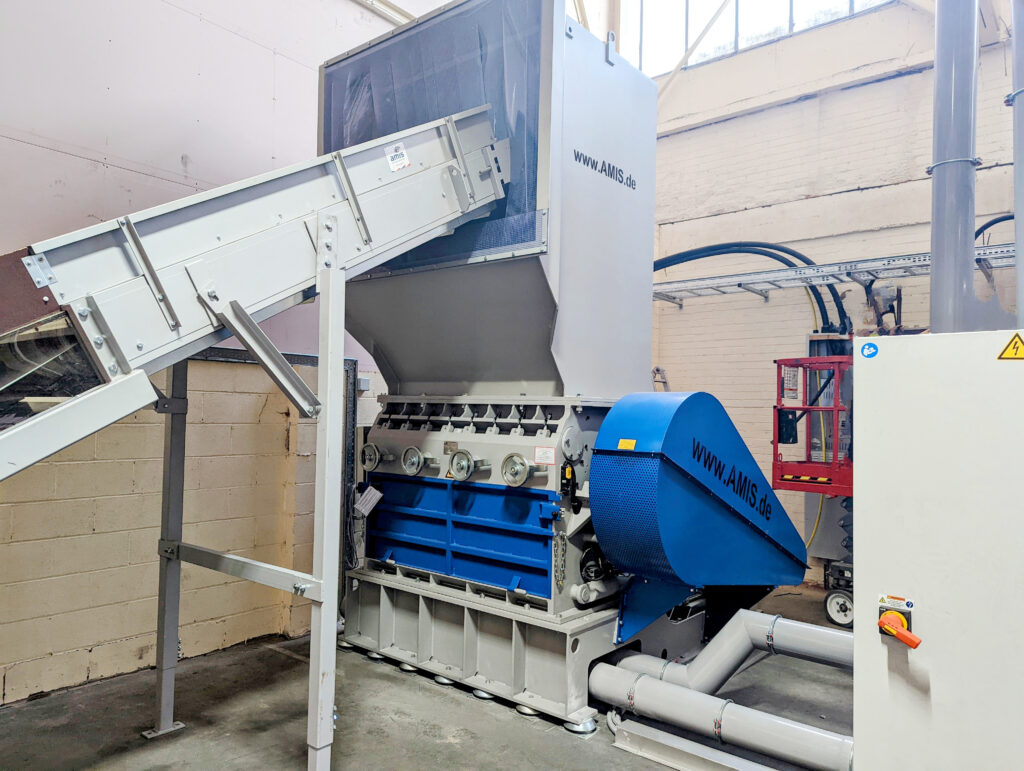
Industrial shredders provide primary size reduction by breaking large materials into smaller pieces. They are commonly used for plastic drums, IBC containers, purgings and bulky waste materials.
Granulators
Granulators provide secondary size reduction and create a more uniform particle size suitable for washing and reprocessing applications.
Integrated Size Reduction Systems
Integrated systems combine shredding, conveying, granulation and material handling into a single automated solution, maximising efficiency while reducing manual intervention.
Applications for Size Reduction Equipment
Rotajet size reduction systems are suitable for:
HDPE Recycling
LDPE Film Recycling
PP Recycling
PET Bottles
Plastic Drums
IBC Containers
Industrial Packaging
Production Scrap
Regrind Production
Mixed Plastic Waste
Benefits of Investing in Modern Size Reduction Equipment
Increased Throughput
High-performance size reduction equipment enables recycling plants to process larger volumes of material efficiently.
Improved Material Quality
Consistent particle sizing improves washing, separation and drying performance throughout the recycling process.
Reduced Operating Costs
Modern machinery reduces labour requirements, minimises downtime and improves energy efficiency.
Greater Process Control
Integrated automation allows operators to monitor and optimise performance across the entire size reduction process.
Choosing the Right Size Reduction Solution
Selecting the correct size reduction equipment depends on several factors:
Material type
Material thickness
Contamination levels
Required throughput
Available floor space
Downstream processing requirements
Rotajet’s engineering team works closely with customers to design tailored solutions that maximise performance and return on investment.
Why Choose Rotajet Systems?
Rotajet Systems designs and manufactures robust recycling equipment for customers throughout the UK and internationally.
Our size reduction solutions are engineered to deliver:
Reliable operation
High throughput
Consistent output material
Reduced maintenance requirements
Integration with existing recycling systems
Whether you require a standalone machine or a complete recycling line, our team can develop a solution tailored to your application.
Arrange a Free Material Trial
If you’re considering new size reduction equipment, the best place to start is with a material trial.
Our engineers can evaluate your material, identify the most effective size reduction process and recommend a solution that meets your production goals. Contact Rotajet Systems today to discuss your requirements and discover how our size reduction equipment can improve your recycling operation.
Recycling HDPE Containers into High-Quality Plastic for Reuse
HDPE is one of the world’s most valuable and widely recycled plastics—but only when it is processed correctly.
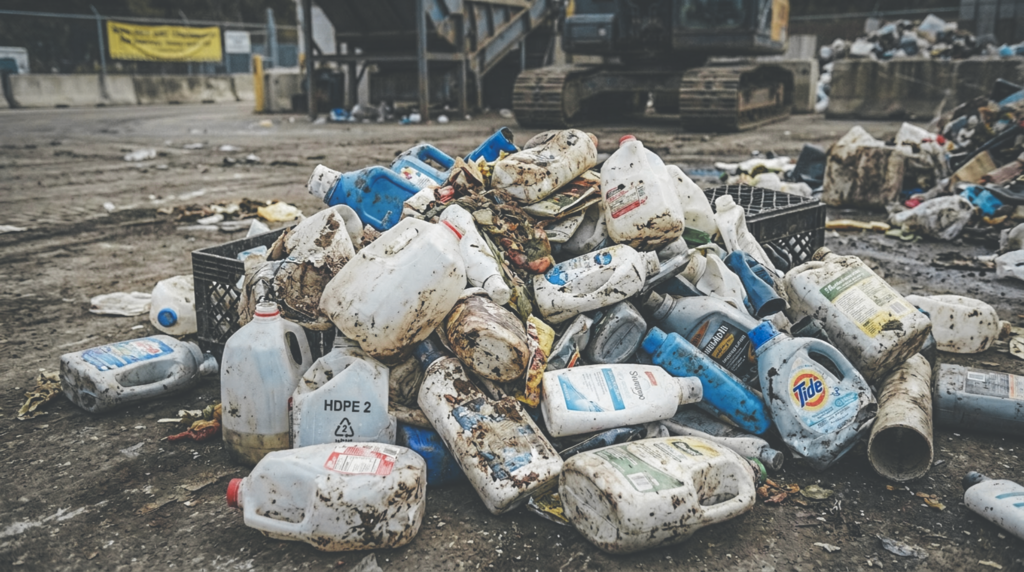
Used HDPE containers, drums, bottles and industrial packaging are manufactured from high-quality polyethylene that can often be recovered and reprocessed into new products. However, before this material can be recycled, contaminants such as oils, chemicals, detergents, labels and production residues must be removed to produce clean plastic suitable for reuse.
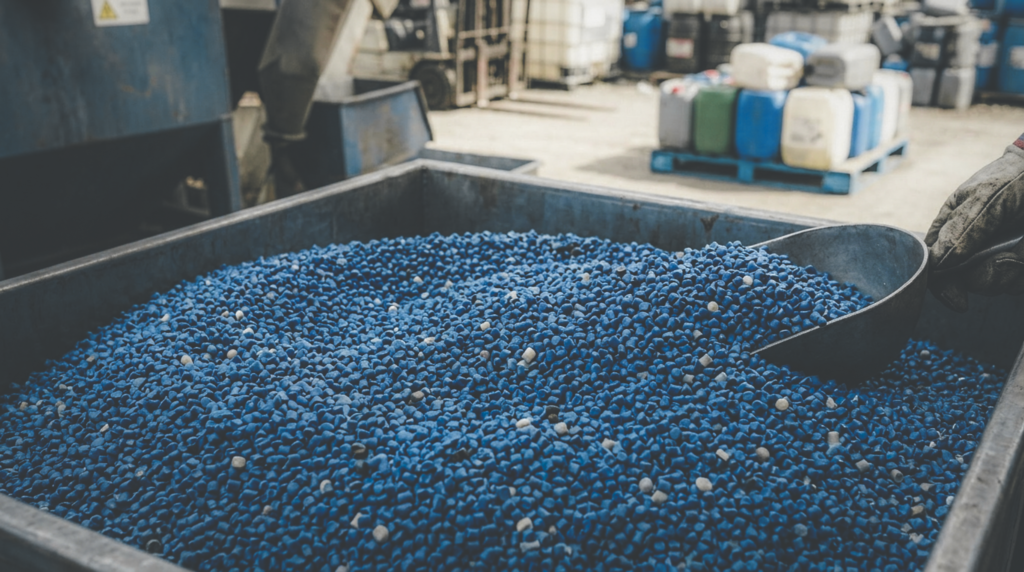
At Rotajet Systems, we design and manufacture complete HDPE recycling plants, HDPE washing lines and plastic recycling equipment that transform contaminated HDPE containers into clean, dry plastic flake ready for granulation and manufacture.
Whether you’re processing production scrap, post-consumer packaging or contaminated industrial containers, our systems help maximise material recovery while improving the quality and value of the recycled plastic.
Why HDPE Is One of the Most Recycled Plastics
High-Density Polyethylene (HDPE) combines excellent strength, impact resistance and chemical resistance with outstanding recycling potential.
Instead of disposing of used containers, manufacturers and recycling companies can recover valuable raw material that can be reprocessed into a wide variety of new products, helping reduce waste while supporting the circular economy.
Recycling HDPE can help businesses:
Recover valuable raw material
Reduce disposal costs
Reduce landfill
Improve sustainability
Produce consistent recycled plastic
Increase material recovery
Support circular manufacturing
Reduce virgin plastic consumption
The cleaner the recovered material, the greater its value for future manufacturing applications.
Not All HDPE Waste Is the Same
Every HDPE recycling project presents different challenges.
Some manufacturers recycle clean production scrap generated during blow moulding or injection moulding, while others process heavily contaminated containers that have previously held chemicals, lubricants, food ingredients or industrial products.
Typical HDPE materials include:
Chemical drums
Plastic bottles
HDPE bottles
IBC bottles
Plastic pails
Jerry cans
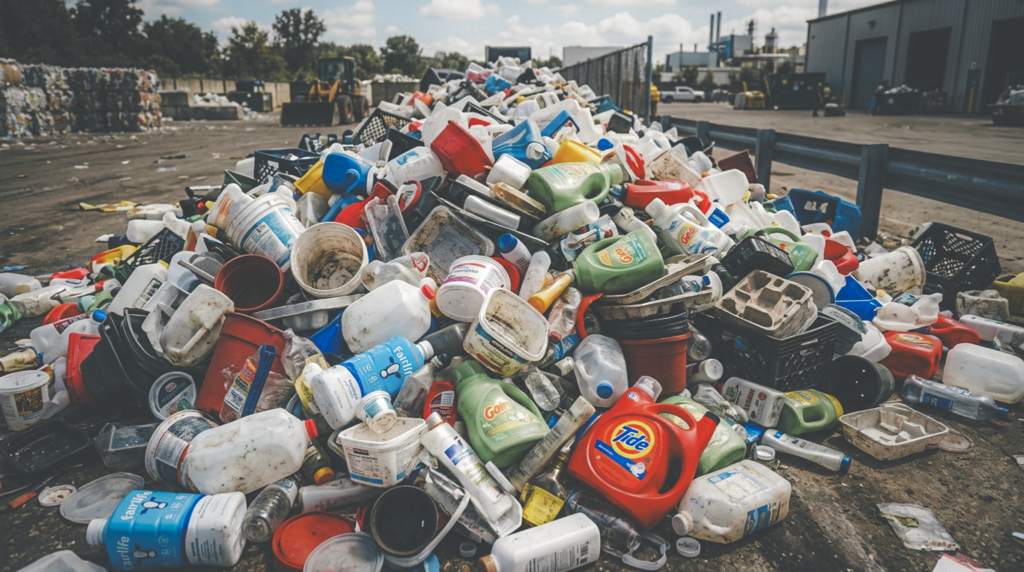
Detergent containers
Food ingredient containers
Lubricant containers
Agricultural chemical containers
Industrial packaging
Blow moulded products
Wheelie bins
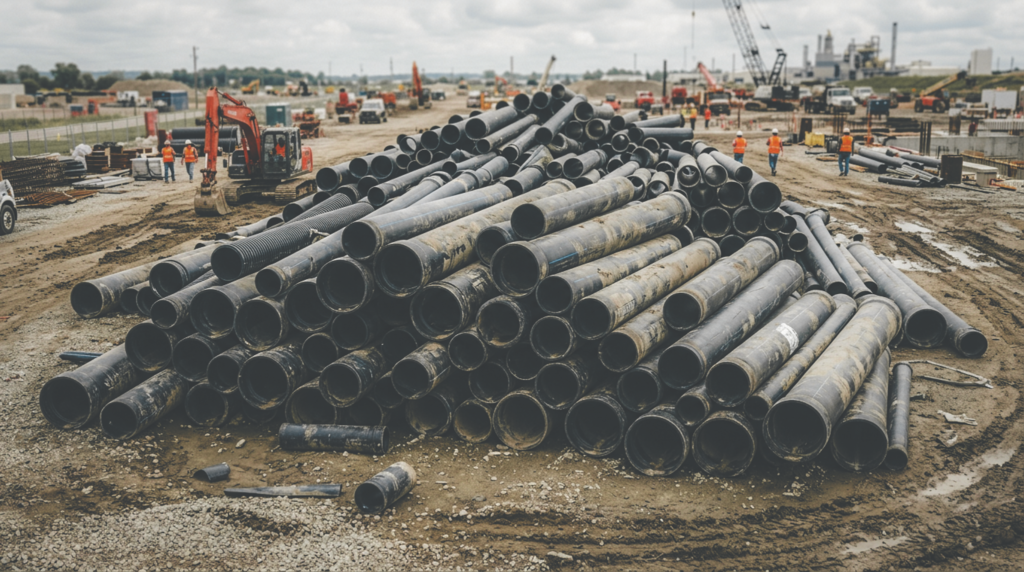
Pipe offcuts
Manufacturing scrap
Production offcuts
Each application requires a recycling process designed around the material, contamination level and quality requirements of the finished recycled plastic.
Why Washing Is More Important Than Most People Think
In our experience, one of the most common causes of poor recycled plastic quality isn’t the granulator; it’s inadequate washing.
Residual chemicals, oils, labels and fine contamination left on the plastic surface can reduce the quality of the finished granulate and affect downstream manufacturing processes.
An effective HDPE washing line removes:
Chemical residues
Oils and lubricants
Detergents
Adhesives
Labels
Dirt and dust
Sand
Product residues
Moisture
Metal contamination
Producing clean HDPE flake before drying and granulation helps improve the consistency and quality of the finished recycled material.
From Used Container to New Product
Recycling HDPE is a complete engineering process rather than a single machine.
A typical HDPE recycling line includes:
Used HDPE Containers → Size Reduction → Pre-Washing → Hot Washing → Sink-Float Separation → Friction Washing → Thermal Drying → Granulation → Manufacturing New Products
Each processing stage removes contamination while preparing the material for the next operation, helping maximise recovery and produce high-quality recycled HDPE.
Industries Recycling HDPE
Rotajet recycling systems support organisations including:
Plastic recycling companies
Chemical manufacturers
Packaging manufacturers
Blow moulding companies
Injection moulding companies
Food manufacturers
Agricultural suppliers
Waste management companies
Industrial manufacturers
Plastic compounders
Environmental service providers
Whether recycling clean production waste or contaminated post-consumer packaging, our systems can be tailored to suit your application.
Complete HDPE Recycling Plants
Every recycling facility has different production objectives.
Some require a standalone washing system, while others require a complete integrated recycling plant capable of processing large volumes of contaminated HDPE containers continuously.
Rotajet designs complete systems incorporating:
Size reduction
Washing
Hot washing
Sink-float separation
Friction washing
Thermal drying
Granulation
Material conveying
Storage systems
Every recycling line is engineered around your material, throughput and finished product specification.
Material Trials & Process Development
No two HDPE waste streams behave the same way.
In our experience, containers that have held oils, detergents or chemicals often require different washing stages to achieve the material quality needed for high-grade recycling. The most effective process depends on the previous contents, contamination level and the intended use of the recycled HDPE.
Before specifying equipment, Rotajet can evaluate representative material samples and recommend the most suitable recycling process, helping reduce project risk before investment.
Integrated Plastic Recycling Systems
HDPE recycling is often one part of a wider recycling operation.
Rotajet also designs complete integrated recycling plants capable of processing multiple rigid plastic materials through a fully engineered production line.
Explore our Integrated Plastic Recycling Systems:
Frequently Asked Questions
Can contaminated HDPE containers be recycled?
Yes. With the correct combination of size reduction, washing, separation and drying, many contaminated HDPE containers can be converted into clean plastic flake suitable for granulation and reuse.
What is the difference between an HDPE washing line and a complete HDPE recycling plant?
A washing line focuses on cleaning the material, while a complete recycling plant integrates size reduction, washing, separation, drying and granulation to produce finished recycled material ready for manufacturing.
Can production scrap and post-consumer HDPE be processed using the same system?
In many cases, yes. However, the washing process and equipment configuration are usually tailored to suit the contamination level and required finished material quality.
Can Rotajet carry out recycling trials?
Absolutely. Material trials allow us to evaluate your HDPE waste and recommend the most effective recycling process before equipment is specified.
As demand for high-quality recycled plastics continues to grow, recyclers are under increasing pressure to produce cleaner material, improve efficiency and maximise the productivity of recycling plants.
Whether you’re processing rigid plastics, bottles, film, drums or industrial packaging, an integrated plastic washing system can significantly improve the quality of the finished product while reducing operating costs.
Rather than relying on individual standalone machines, integrated recycling plants combine each stage of the recycling process into one efficient, automated system.
Each stage is designed to work together, delivering consistent performance and producing clean recycled plastic ready for extrusion, pelletising or reuse.
Rotajet systems can be configured for processing a wide range of materials including:
PE / HDPE / LDPEPETMixed RigidsIBCsFilmPlastic Drums
Every recycling application is different, which is why our systems are designed around the customer’s material, contamination level and production requirements.
Benefits of Integrated Recycling Plants
An integrated washing line offers several advantages over disconnected equipment:
Improved cleaning performance
Higher throughput
Reduced manual handling
Lower water consumption through recirculation options
Consistent product quality
Increased automation
Reduced operating costs
Easier maintenance and control
By designing each stage to work together, recyclers can achieve greater efficiency while producing higher-value recycled material.
From Single Machines to Complete Recycling Plants
Rotajet supplies everything from individual washing machines through to complete turnkey recycling systems.
Our engineers work closely with customers to understand material characteristics, contamination levels, available space and production targets before recommending the most suitable solution.
Whether you’re upgrading part of an existing line or installing a brand-new recycling facility, we can provide equipment, installation, commissioning and ongoing technical support.
Free Material Trials
The best way to assess a recycling process is by testing your own material.
Rotajet offers free material trials, allowing our engineers to evaluate your plastic feedstock and recommend the most effective washing process and plant configuration.
In many cases, chemical drums, IBCs and plastic pails are manufactured from high-quality HDPE that can be recycled and reprocessed into new products. The challenge isn’t the plastic itself—it’s the contamination left behind.
Residual chemicals, oils, paints, adhesives, powders and other process materials can prevent valuable plastic from being recycled efficiently. Before these containers can become clean recycled granulate, they must pass through a carefully engineered washing process that removes contamination while protecting the quality of the recovered material.
At Rotajet Systems, we design and manufacture complete container recycling systems that transform contaminated industrial packaging into clean, dry plastic flakes ready for granulation and reprocessing. Our integrated recycling lines help manufacturers and recycling companies recover more valuable material while reducing landfill and disposal costs.
Industrial containers are manufactured to withstand demanding environments, making them an excellent source of high-quality recyclable plastic.
Rather than disposing of used packaging, many businesses are recovering HDPE and other engineering plastics for reuse in manufacturing.
Effective recycling helps businesses:
Recover valuable HDPE
Reduce disposal costs
Remove product residues
Improve recycled material quality
Produce clean plastic flake
Prepare material for granulation
Support circular manufacturing
Maximise material recovery
Turning contaminated containers into reusable raw material creates both environmental and commercial value.
Every Container Presents a Different Challenge
No two waste streams are the same.
Some containers contain food products that wash away easily, while others have held oils, detergents, paints, inks, chemicals, powders or adhesives that require more intensive processing.
Typical containers include:
Chemical drums
Plastic drums
IBC bottles
Plastic pails
Jerry cans
Lubricant containers
Food ingredient containers
Detergent containers
Paint containers
Chemical storage vessels
Industrial packaging
Manufacturing containers
Each application requires a recycling process designed around the contamination and the required quality of the finished recycled material.
From Used Container to Recycled Plastic
Recovering plastic from industrial containers involves several carefully controlled stages.
Every stage contributes to producing clean, dry granulate suitable for reuse in a wide range of manufacturing applications.
Removing Contamination
One of the biggest challenges in container recycling is removing residues without damaging the plastic.
Typical contaminants include:
Chemical residues
Oils and lubricants
Paints and coatings
Adhesives
Powders
Food residues
Labels
Dirt and dust
Metal contamination
Moisture
Effective washing and rinsing systems help prepare clean plastic for the next stage of recycling while improving the quality and value of the finished product.
Complete Container Recycling Systems
Rotajet designs complete container recycling systems that combine multiple stages into one integrated process.
Depending on the application, systems may include:
Container preparation
Size reduction
High-performance washing
Rinsing
Sink-float separation
Friction washing
Thermal drying
Granulation
Material conveying
Storage
Every recycling line is engineered around your container type, contamination levels and production requirements.
Integrated Plastic Recycling Solutions
Container recycling is often one part of a larger recycling operation.
Rotajet also designs complete integrated recycling systems capable of processing a wide range of rigid plastic materials through a fully engineered production line.
Material Trials & Process Development
Not every contaminated container behaves the same way.
Before designing a recycling system, our engineers can assess representative containers and recommend the most effective washing, rinsing and separation process to achieve the required recycled material quality.
Material trials help reduce project risk while ensuring the recycling line is designed specifically for your application.
FAQs
Can contaminated drums be recycled
Yes. With the correct washing and recycling process, many contaminated HDPE drums can be cleaned, processed and converted into reusable plastic granulate.
Can IBCs and plastic pails be recycled in the same system?
Depending on their size, construction and contamination levels, integrated recycling systems can often be configured to process multiple types of industrial containers.
Can Rotajet remove labels and product residues?
Yes. Our washing, rinsing and separation systems are designed to remove a wide range of residues and contaminants, helping improve the quality of the recovered plastic.
Can Rotajet design a complete container recycling line?
Absolutely. We design and manufacture complete integrated recycling systems, from container preparation and washing through to drying, granulation and material handling.
Why Plastic Size Reduction Is the First Step Towards Higher-Quality Recycling
Plastic waste only becomes valuable when it can be processed efficiently.
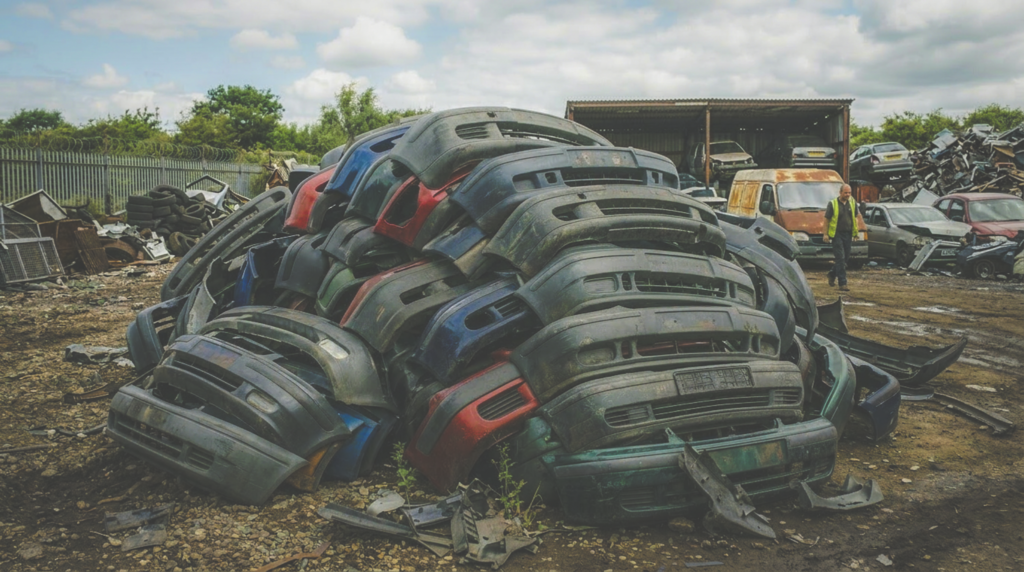
Whether you’re recycling HDPE drums, IBC containers, automotive plastics, injection moulding scrap or post-consumer rigid plastics, every successful recycling operation starts by producing a consistent feedstock. Before plastics can be washed, separated, dried and reprocessed, they must first be reduced to a controlled particle size.
At Rotajet Systems, we design and manufacture industrial plastic size reduction equipment that prepares plastic waste for every downstream stage of the recycling process. By creating a uniform material size, our systems help improve washing efficiency, maximise material recovery and produce cleaner, higher-value recycled plastics.
One of the most common causes of poor recycling performance isn’t the washing system—it’s inconsistent feed material.
Large plastic items, oversized mouldings and irregular pieces reduce washing efficiency, restrict material flow and make density separation more difficult. Producing a consistent particle size allows the entire recycling line to operate more effectively.
Effective size reduction helps:
Improve washing efficiency
Produce a consistent plastic flake
Improve sink-float separation
Improve friction washing performance
Increase drying efficiency
Improve material handling
Increase throughput
Produce cleaner recycled plastic
Improve downstream processing
The quality of the finished recycled product often depends on the quality of the material entering the recycling line.
More Than Just Shredding
Size reduction is the foundation of an efficient recycling process.
Our equipment is engineered to deliver reliable, continuous performance in demanding recycling environments.
Key benefits include:
Consistent particle sizing
Heavy-duty industrial construction
High throughput
Reduced manual handling
Improved washing performance
Better separation efficiency
Easy integration into existing recycling lines
Designed for continuous operation
Integrated Recycling Systems
The most efficient recycling plants are designed as complete processing systems rather than individual machines.
Rotajet designs and manufactures integrated recycling lines incorporating:
Size reduction
Washing
Sink-float separation
Friction washing
Drying
Conveying
Material handling
Granulation
Storage systems
Every system is designed around your material, contamination levels, throughput and finished product requirements.
Material Trials & Process Development
Every plastic waste stream behaves differently.
Before specifying equipment, Rotajet can assess your material and recommend the most suitable processing route. Material trials help determine the most effective combination of size reduction, washing, separation and drying to maximise recovery and improve the quality of the finished recycled product.
Developing the correct process at the beginning of a project helps reduce risk and improve long-term performance.
Frequently Asked Questions
Why is consistent particle size important?
Uniform particle sizing improves washing, separation, drying and material handling, helping produce a cleaner and more valuable recycled plastic.
Can Rotajet process contaminated plastics?
Yes. Our systems are designed to prepare both clean production scrap and contaminated post-consumer plastics for downstream recycling.
Can Rotajet process contaminated plastics?
Yes. Our systems are designed to prepare both clean production scrap and contaminated post-consumer plastics for downstream recycling.
Can existing recycling plants be upgraded?
Absolutely. Rotajet equipment can be supplied as standalone machines or integrated into existing recycling lines to improve performance and increase throughput.
Does Rotajet design complete recycling systems?
Yes. We design, manufacture and install complete integrated plastic recycling systems tailored to your material, production volumes and recycling objectives.
The Complete Industrial Guide to Maximising Uptime, Throughput and Profitability
Industrial shredders and granulators are not background equipment. In most recycling and plastics operations, they are the front end of the entire process. If size reduction is inconsistent, the rest of the line usually suffers with it. Washing becomes less effective, separation becomes less accurate, dryers work harder, and overall product quality becomes harder to control. Rotajet’s own plastics content reflects that same principle: size reduction comes first, then washing, separation and downstream recovery.
That is why shredder servicing and granulator servicing should not be treated as a narrow maintenance task. The goal is not just to keep a machine turning. The goal is to protect throughput, maintain cut quality, reduce avoidable wear, and keep the whole system working efficiently. HSE’s guidance makes the same broader point: maintenance is carried out to prevent problems, correct faults and ensure equipment is working effectively, and an effective maintenance programme improves reliability, productivity and efficiency.
Why servicing matters more than most sites realise
A machine can still run and still be costing money. A shredder with worn knives, a blocked screen, poor rotor condition or incorrect settings may keep processing material, but it will usually do so less efficiently. In practice that can show up as inconsistent output size, more dust or fines, increased recirculation, extra operator intervention, more stress on bearings and drives, and poor feed consistency into washing or separation stages.
That matters even more in plastic recycling. Rotajet states that plastic recycling begins with size reduction and that shredders and granulators prepare material for washing, separation and pelletising; it also notes that smaller particles improve movement through recycling equipment and that flake size supports washing and separation performance.
For heavily contaminated plastic streams, the connection is even stronger. In the anaerobic digestion reference sheet you provided, mixed plastic from food waste depackaging is described as containing up to 50% moisture and 25% organic residue, with the RJ-Turbo then using high-speed friction and water injection to remove food residues, fats and oils. If the incoming material is not opened up properly by upstream size reduction, contamination is harder to expose and remove.
Shredder servicing vs granulator servicing
Although the two are often grouped together, they do different jobs and need different service priorities.
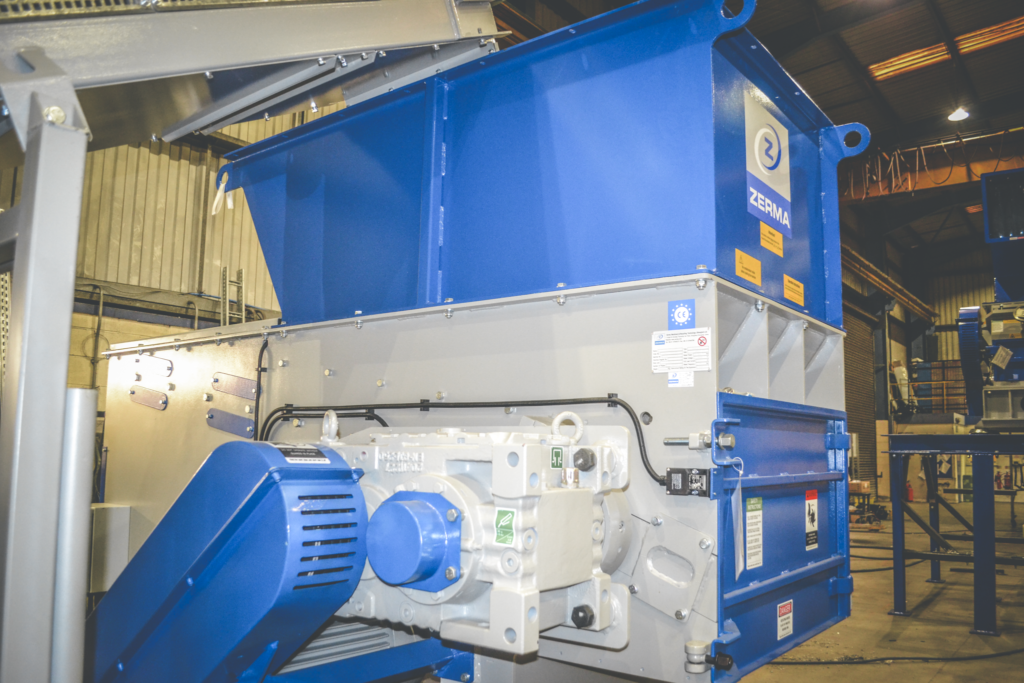
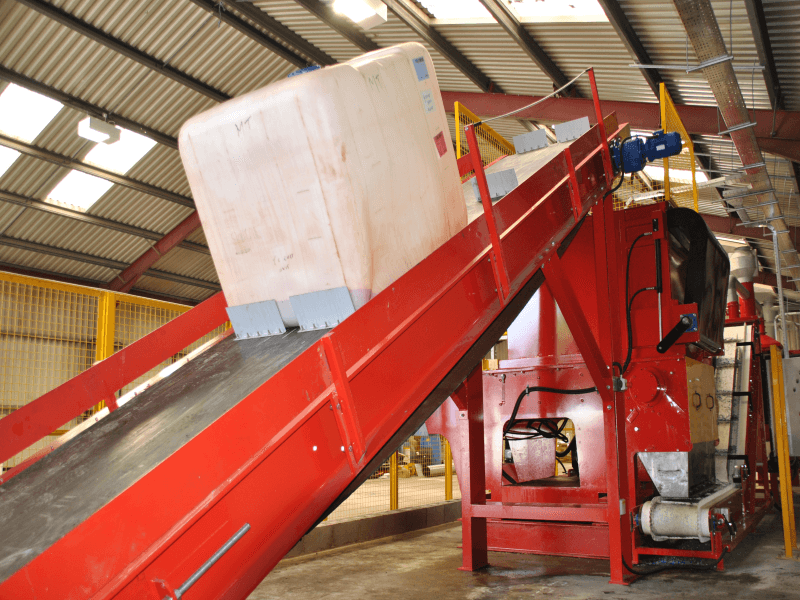
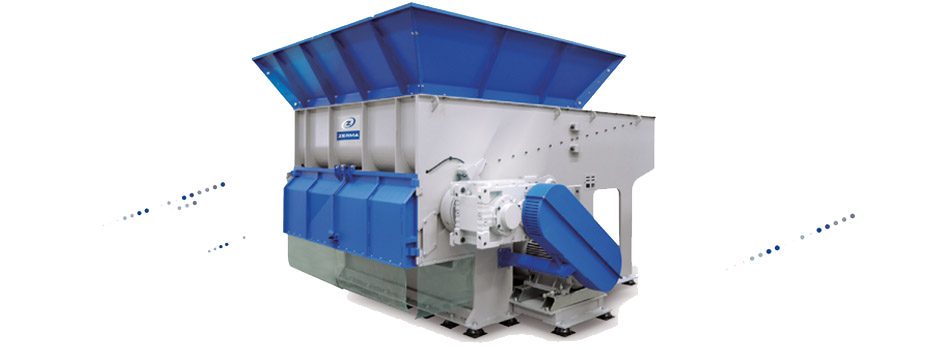
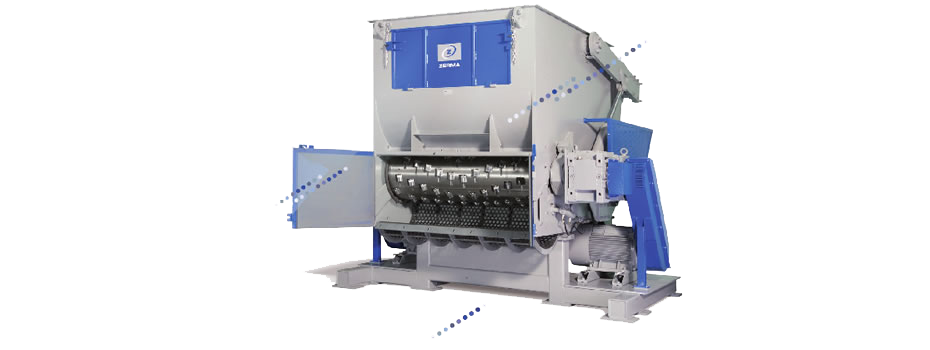
A shredder is usually the primary size reduction stage. Rotajet’s size reduction pages describe shredders as the stage that reduces bulky materials into a manageable shredded size, typically using high torque to handle larger items such as drums, pallets, rigid containers and industrial packaging.
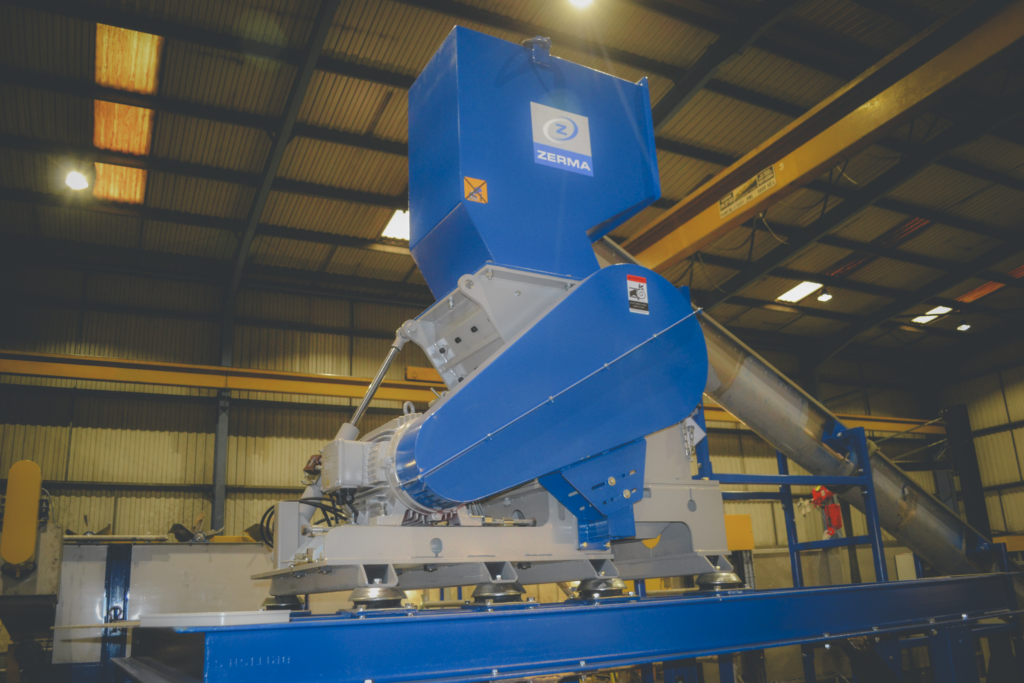
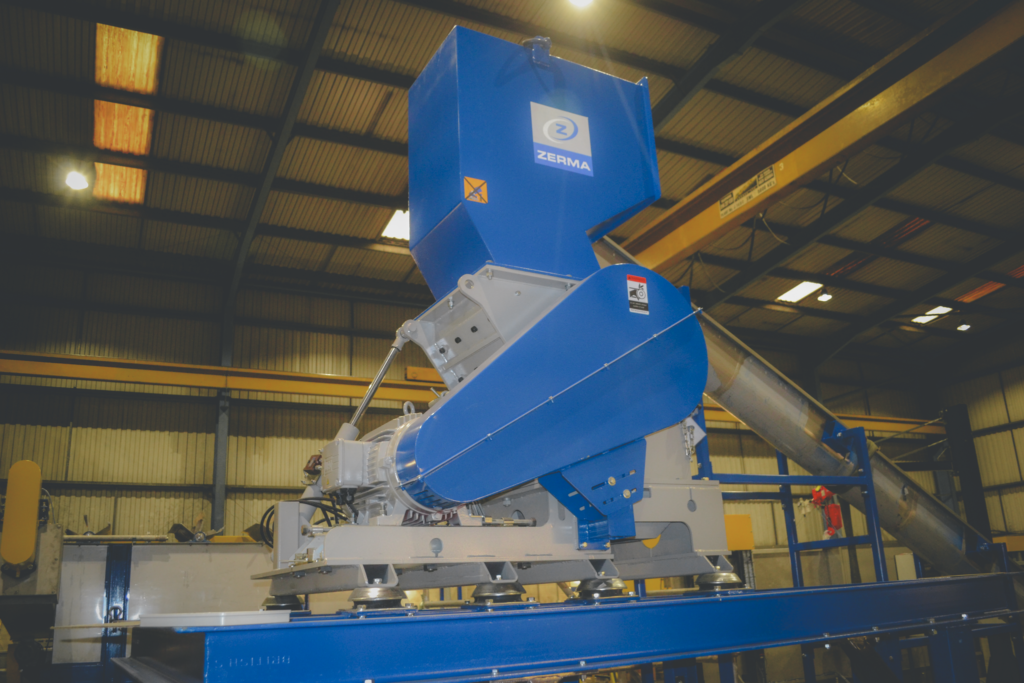
A granulator is normally the secondary reduction stage. Rotajet describes granulators as higher-speed machines that cut plastics into smaller flakes or regrind suitable for washing and recycling, with screens used to control particle size.
That distinction matters because servicing priorities are different. Shredders tend to be more tolerant of variation, but they see high torque loads and large infeed shocks. Granulators are more sensitive to knife sharpness, knife gap, rotor balance and screen condition because they are controlling a much finer and more consistent output.
Types of machine Rotajet can support
This is one of the areas where your article needed to be clearer. It should explicitly say what kinds of machine can be serviced, repaired, upgraded or supported with spares.
Rotajet’s size reduction offering covers industrial shredders, granulators, combined shredder/granulator systems and replacement blades and parts, alongside service support and rental options. The public pages also show a broad range of equipment from compact to heavy-duty, including slow-speed granulators, heavy-duty granulators, standalone shredders, and the ZCS combined shredder/granulator system.
Machines commonly covered include:
Single-shaft shredders for bulky rigid plastics and industrial waste
High-torque shredders for containers, drums, pallets and packaging
Combined shredder/granulator systems for compact integrated size reduction
High-speed granulators for flake production before washing or extrusion
Slow-speed granulators for sprues, runners and beside-the-press applications
Heavy-duty granulators for more demanding recycling duties
Existing third-party shredders and granulators where replacement blades, screens or servicing support are required
Rotajet’s own site states it supplies replacement blades for Rotajet granulators and for various external granulator manufacturers, and also replacement shredder blades for multiple external machine brands.
What proper servicing should cover
A proper shredder or granulator service should go beyond “swap the obvious worn parts and leave.” The most useful service programmes usually combine inspection, wear management, setup correction and process review.
1. Knives, cutters and cutting geometry
Knife condition is the first thing most operators think about, and rightly so. Sharp, correctly mounted knives improve cut quality, reduce unnecessary load and help produce a more consistent output. Granulators rely on good interaction between rotor knives, bed knives and screen size. Rotajet’s granulator content identifies granulators as high-speed knife systems controlled by screens, which is exactly why knife condition matters so much.
2. Screens and particle control
Screens are central to consistent granule size. Damaged or blinded screens can reduce throughput and create an inconsistent downstream feed. On combined systems and granulators, screen integrity directly affects wash performance, separation behaviour and flake consistency.
3. Rotor condition and balance
Poor rotor condition can create vibration, accelerate bearing wear and make output less consistent. In higher-speed granulation, balance is particularly important because small defects become more damaging as speed rises.
4. Bearings, drive systems and transmission components
Bearings, belts, couplings and gearbox condition all affect reliability. HSE notes that maintenance is not only about correcting faults but about preventing problems and diagnosing them early. That is especially relevant with rotating machinery where early intervention is far cheaper than a breakdown.
5. Feed behaviour and material handling
A shredder may be mechanically sound and still perform badly because the machine is not matched properly to the feedstock. Film behaves differently to rigid containers. Wet, contaminated plastics behave differently to dry in-house scrap. Production waste, drums and industrial packaging all create different load profiles. Rotajet’s size reduction and plastic recycling pages repeatedly frame machine choice around the plastic type, contamination level, throughput target and required particle size.
Application-specific servicing is where the real value is
One reason generic servicing underdelivers is that size reduction is highly application-dependent.
Plastic recycling
Rotajet’s plastic recycling pages make clear that shredders and granulators are used across rigid plastics, films, industrial packaging, injection moulded parts, WEEE-related streams and production waste. Different materials need different knife setups, feed strategies and maintenance intervals. Film can wrap. Rigid packaging can shock-load a machine. Contaminated rigid plastics can accelerate wear on cutting components and screens.
Washing-line applications
This is where Rotajet has a strong SEO and commercial angle. The company’s plastics content is built around integrated process performance, not isolated machines. Rotajet’s March 2026 UK recycling machinery article explicitly says the focus is on complete process performance, not just individual machines, and highlights modular systems including size reduction, washing and sink-float separation.
That message fits perfectly here. If the objective is clean flake, not merely reduced volume, servicing should protect the washing process too. Incorrect particle size, smeared cuts, overloaded washers or uneven feed into sink-float tanks all reduce the quality of the final recyclate.
Organic-contaminated plastics and AD streams
The AD reference sheet is especially useful because it ties size reduction directly to washing difficulty. It describes a stream with heavy moisture and organics and a friction-wash stage designed to remove residues and return valuable organics back into the process. In those applications, shredder and granulator servicing is not just about uptime. It is about exposing contamination so the wash system can do its job.
In-house production scrap
Slow-speed granulators are commonly used beside presses for runners, sprues and rejected mouldings. Rotajet’s GSL page describes slow-speed granulators for injection and blow moulding, with low rotor speed helping reduce noise and dust. In those environments, servicing priorities often include blade condition, noise control, clean running and consistency of regrind for reuse back into the process.
Repair, upgrade or replace?
Not every machine needs replacing. Many need the right service work, better wear-part discipline and a more realistic maintenance plan. In other cases, the right answer is an upgrade or a process rethink.
Rotajet already positions this well on its public pages through a mixture of servicing, spare parts, rental and modular process upgrades. The company’s UK recycling content highlights retrofit layouts, modular upgrades and Buy, Rent, Retrofit and Contract pathways.
A machine is usually a good candidate for servicing or retrofit if the frame, chamber and drive are fundamentally sound, the output requirement is still achievable and the main issue is wear, setup or process compatibility. Replacement becomes more attractive when capacity is consistently wrong, wear cost has become excessive, or the machine no longer fits the rest of the line.
Buy, Rent or Contract: the commercial route matters too
This is another area where Rotajet has a clear angle. Its size reduction page states that size reduction machinery is available for purchase or rental, and the rental page promotes benefits such as improved cash flow, flexibility, Rotajet-handled servicing and no storage hassle at the end of the project.
That means the article should not end at maintenance. It should show the three practical routes a UK customer can take.
Buy
Buying is the right route when the site needs a permanent capability, wants full control and can justify long-term ROI through in-house processing and lower dependence on external contractors.
Rent
Rental is ideal for urgent capacity, temporary projects, proving a process, replacing a failed machine fast, or reducing upfront capital pressure. Rotajet explicitly markets shredder rental on that basis.
Contract
For businesses not ready to invest yet, contract processing can still be the right stepping stone while throughput, material quality and economics are proven.
Why Rotajet is a stronger fit than a basic service supplier
This is the point you want to land hard, but only once and cleanly.
Rotajet’s public plastics content consistently ties together size reduction, washing, separation, modular plant design, trial work and flexible commercial routes. The company also highlights a Wakefield trial facility for evaluating materials and process suitability. That combination matters because it means the conversation can move beyond “what part failed?” to “what output do you need and what is the line struggling with?”
That is a better SEO message and a better sales message. It positions Rotajet as a UK engineering partner for process performance, not only a reactive repair provider.
Shredder and granulator servicing is not just a maintenance topic. It is a throughput topic, a quality topic and, in many recycling lines, a washing-performance topic too. If the size reduction stage is inconsistent, everything downstream becomes harder and more expensive to control.
That is why a stronger UK servicing offer should cover more than emergency repairs. It should include wear-part strategy, knife and screen management, rotor and drive checks, setup optimisation, material-specific advice and a clear route to Buy, Rent or Contract depending on what the site needs next. Rotajet’s own public offering already supports that broader position through size reduction machinery, granulators, shredders, rental and integrated plastics systems.
If your shredder or granulator is reducing output quality, causing excessive wear, or holding back your washing line, speak to Rotajet about a service review, replacement blades, a rental machine or a full size-reduction upgrade. In the UK market, the strongest result usually comes from treating shredding, granulation and downstream washing as one joined-up process, not as separate problems.
FAQ
1. How often should a shredder be serviced in the UK?
Shredders should typically be inspected monthly and serviced every 3–6 months depending on workload and material type. Heavy-duty recycling operations or contaminated waste streams may require more frequent servicing to maintain performance and prevent costly downtime.
2. How often should a granulator be serviced?
Granulators require more frequent servicing due to high-speed operation. Knife checks should be weekly, sharpening every 100–300 hours, and full servicing every 2–3 months.
3. What are the signs a shredder needs servicing?
Reduced throughput, increased power usage, inconsistent output size, material wrapping, vibration, and frequent blockages all indicate servicing is required.
4. What are the signs a granulator needs servicing?
Common signs include poor particle size consistency, increased fines, overheating, vibration, and higher motor load.
5. What does a full shredder service include?
Knife rotation/replacement, screen inspection, rotor checks, hydraulic system inspection, bearing checks, and drive system maintenance.
6. What does a granulator service include?
Knife sharpening, knife gap adjustment, rotor balancing, screen inspection, bearing checks, and full machine cleaning.
7. Can all brands of shredders be serviced?
Yes — most industrial service providers support multiple brands and can supply compatible blades, screens, and parts.
8. Can all granulator brands be serviced?
Yes — including both Rotajet and third-party machines, with replacement wear parts available.
9. Is it better to repair or replace a shredder?
Repair if the structure is sound and performance can be restored. Replace if energy inefficiency, capacity limits, or wear costs are too high.
10. Is it better to repair or replace a granulator?
If precision can be restored (knives, rotor, alignment), repair is viable. If performance cannot meet required output quality, replacement is recommended.
11. How does servicing reduce energy costs?
Sharp knives and correct setup reduce resistance, lowering motor load and reducing energy consumption per tonne processed.
12. Why is particle size important in recycling?
Consistent particle size improves washing, separation, and final product quality, increasing material value.
13. How does shredding affect washing systems?
Poor shredding leaves contamination trapped, reducing washing efficiency and increasing water and energy usage.
14. What is the difference between shredding and granulation?
Shredding reduces bulk material size, while granulation produces consistent, smaller particles for processing.
Plastic regrind, films, moulding scrap, and pre-shredded materials.
17. How does contamination impact servicing?
Contamination accelerates wear, increases cleaning requirements, and reduces machine efficiency.
18. What is knife rotation and why is it important?
Rotating knives extends lifespan and maintains cutting efficiency before full replacement is required.
19. What happens if knives are not maintained?
Poor cutting, increased energy use, more fines, and reduced throughput.
20. What is rotor balancing?
Balancing ensures smooth operation, reduces vibration, and extends bearing life.
21. What causes shredder blockages?
Overfeeding, incorrect material type, worn knives, or blocked screens.
22. What causes granulator vibration?
Rotor imbalance, worn bearings, or incorrect knife setup.
23. What is preventative maintenance?
Scheduled servicing designed to prevent breakdowns and maintain performance.
24. What is reactive maintenance?
Repairing machines only after failure, often leading to higher costs and downtime.
25. Can servicing improve throughput?
Yes — properly serviced machines can significantly increase processing capacity.
26. How does servicing affect product quality?
Better cutting produces consistent material, improving recyclate quality and value.
27. What industries need shredder servicing?
Recycling, waste management, plastics manufacturing, food processing, and engineering.
28. What industries need granulator servicing?
Plastic recycling, injection moulding, packaging, and manufacturing.
29. What is a slow-speed granulator?
A machine designed for quieter, lower-speed processing, often used in production environments.
30. What is a high-speed granulator?
A precision cutting machine used for producing uniform plastic flakes at high throughput.
31. What is a single shaft shredder?
A slow-speed machine with a hydraulic ram, used for controlled size reduction.
32. What is a twin shaft shredder?
A high-torque machine used for heavy-duty materials and bulk waste.
33. What is a combined shredder and granulator?
A system that performs both primary and secondary size reduction in one machine.
34. Can shredders handle wet or contaminated waste?
Yes, but they require specialised servicing due to corrosion and build-up risks.
35. What is the role of screens in granulators?
Screens control output size and ensure consistent particle production.
36. How do you prevent film wrapping in shredders?
Correct knife setup, anti-wrapping design, and regular cleaning.
37. What are the benefits of renting a shredder?
No upfront cost, quick deployment, and flexibility for short-term needs.
38. What are the benefits of renting a granulator?
Allows testing, avoids capital investment, and supports temporary capacity increases.
39. What is contract processing in recycling?
Outsourcing material processing to a specialist instead of owning equipment.
40. Why choose Rotajet for servicing?
Rotajet provides full system support — from shredding and granulation to washing and integration — ensuring optimal performance across the entire process.
Visit Plastic Washing to learn more or to get in contact with us.