From Bin to Brand: What happens to Recycled Plastics.

Ever wondered what happens to that plastic bottle you diligently throw into the recycling bin?  Let’s take a peek behind the scenes and follow the life cycle of recycled plastics. 

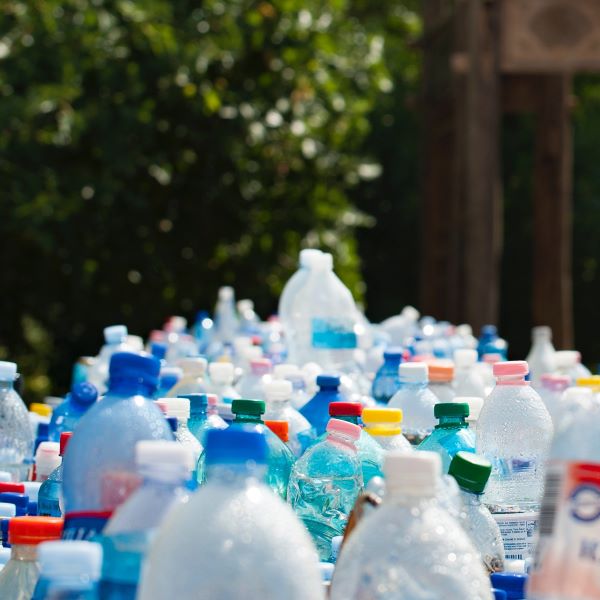
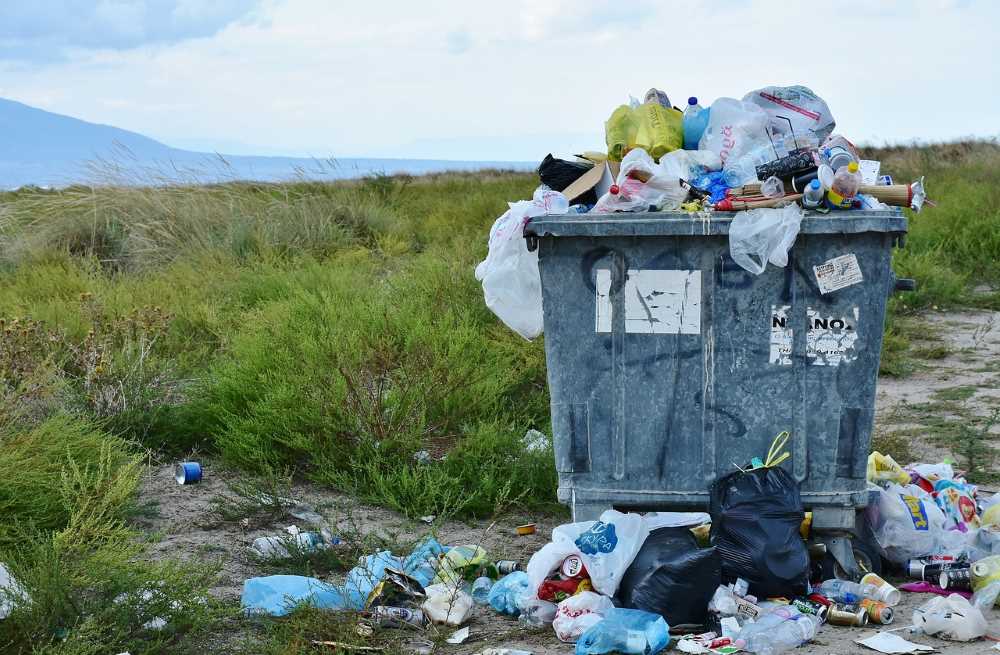
PET plastic recycling bottles
Plastic recycling line to wash and recycle plastics

From Your Curb to the Sorting Facility:

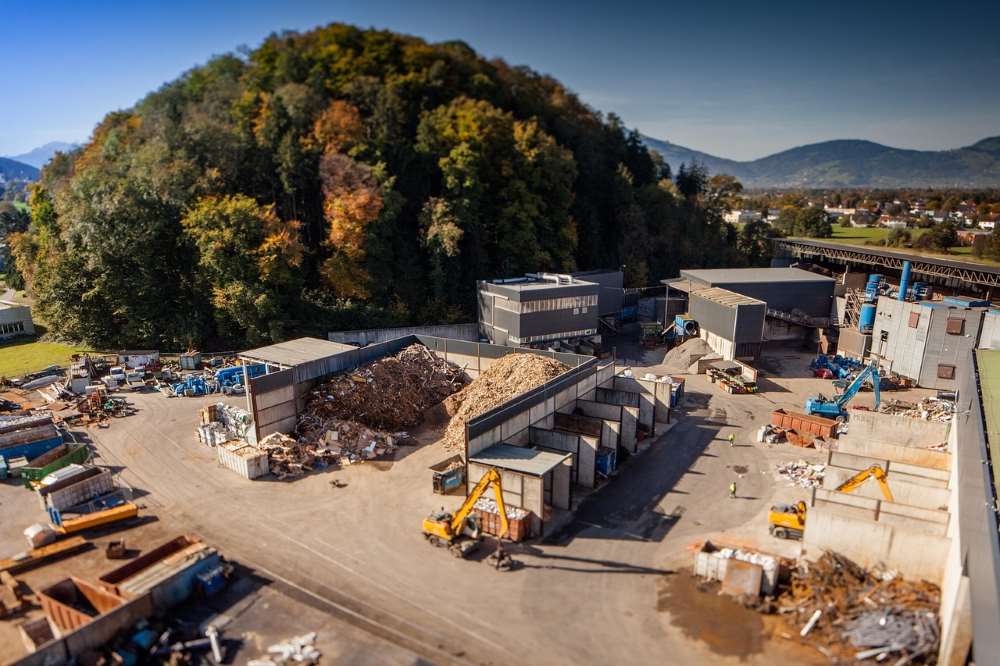
The adventure begins with you! Whether you have curbside pickup or drop off your recyclables at a designated centre, your plastic containers start their journey to a recycling facility. 

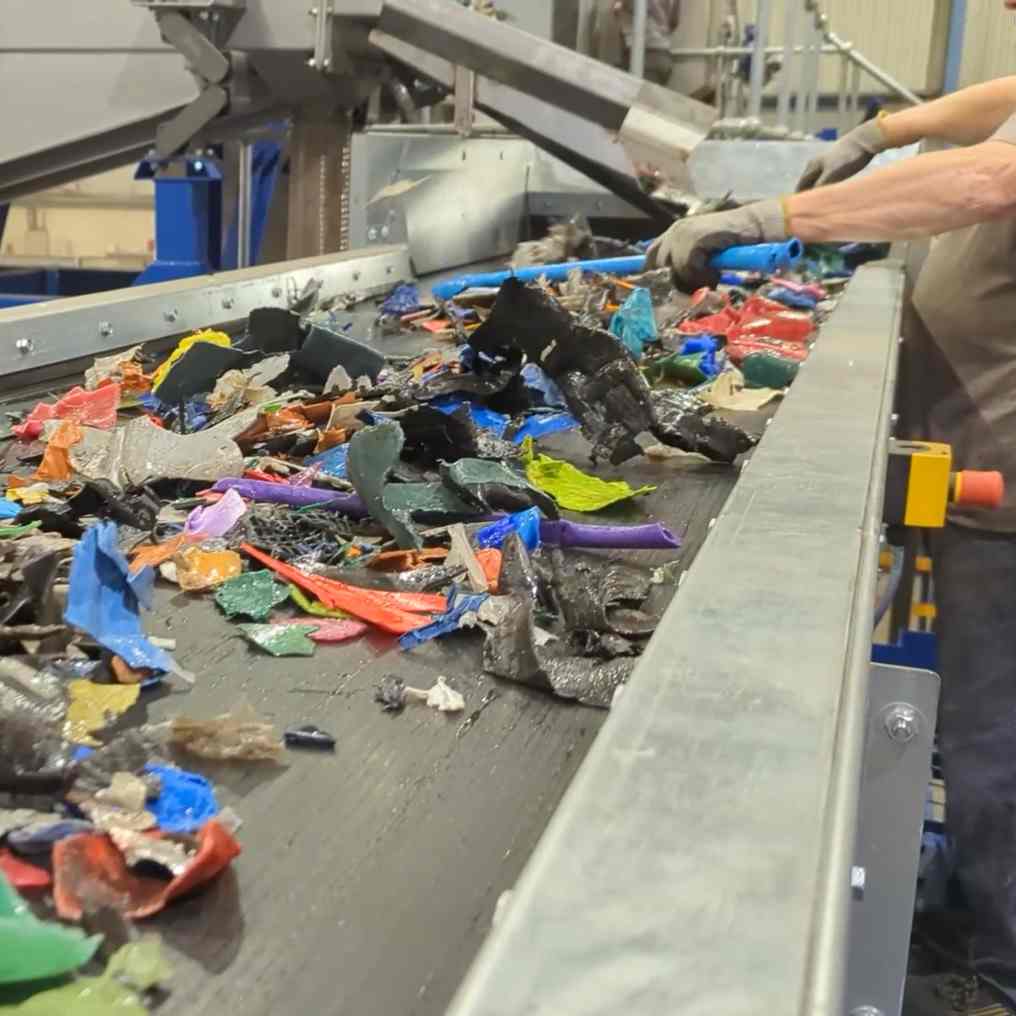
Sophisticated machinery and dedicated workers meticulously sort the plastics by type – for example, PET (like water bottles), HDPE (like milk jugs), and PP (like yogurt cups). This sorting is crucial because different plastics require different processing. 

The Transformation Process, From Flakes to Pellets:

Once sorted, the plastics are ready for their makeover. (this is where Rotajet come into play!)

Rotajet Recycling line typical layout

1. Size reduce

First, the plastic must be shredded into small flakes, this increases the surface area and makes the next steps easier. To do this Shredders and granulators are used. These powerful machines break down plastic items into smaller pieces.
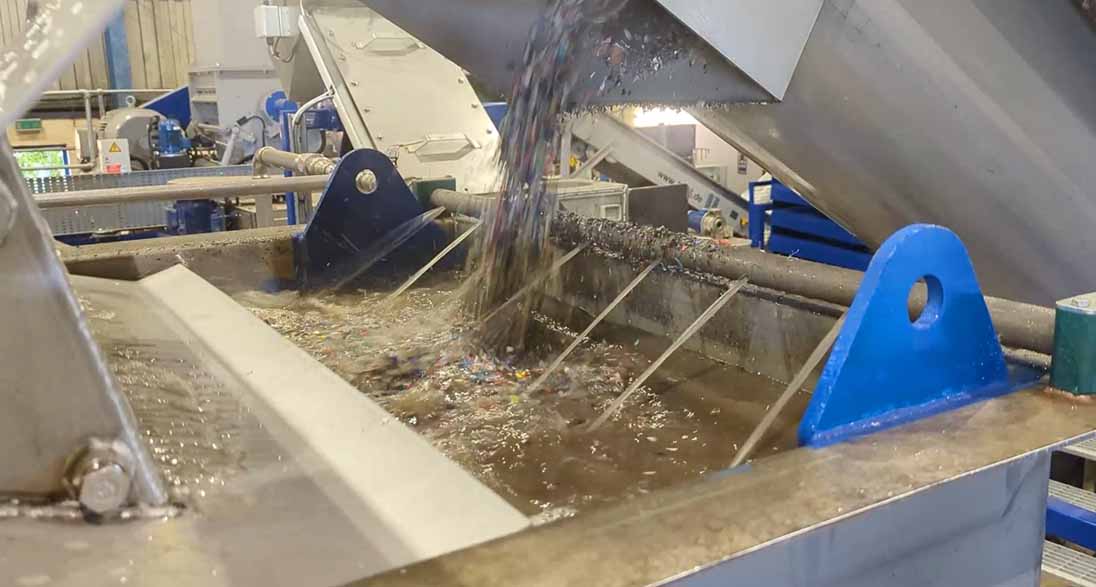
Sink Float tank Paddles

2. Separate

Once the plastic is in manageable pieces, a separator may be used to separate different types of plastics. Rotajet use Sink-Float tanks that uses water density to have a sinking material and floating material separating different plastics.
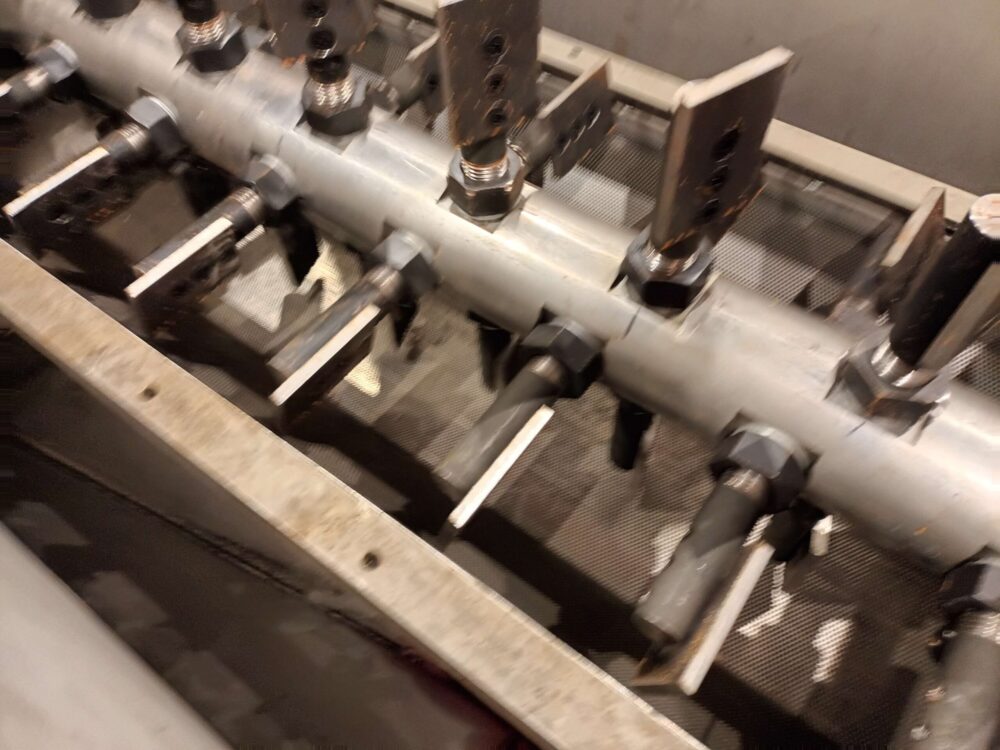
rotor for rj-turbo

3. Wash

The next step: a thorough washing. Rotajet's washers use a combination of agitation, heated wash and liquors to remove all contaminants from the plastic flakes, ensuring a clean and high-quality end product.  

4. Dry

The next stage is drying. Low moisture levels in the plastic is essential to avoid trapped liquids in the melting process which often caused weaknesses, imperfections and defects in the final plastic product.

Finally the material is ready to be pelleted. The granulated plastic is melted and compressed into uniformed plastic pellets. These recycled plastic pellets become the building blocks for all new recycled products.  

Think about it: your old water bottle could become a brand new one, or perhaps part of a cozy fleece jacket! Recycled plastics also find their way into outdoor furniture, sturdy construction materials, and countless other everyday items. The possibilities are truly amazing! 


The Importance of Recycling (and a Few Reminders):

Recycling plastics is a vital part of creating a more sustainable future. It reduces the amount of waste sent to landfills, conserves precious natural resources, and minimizes our environmental footprint.  

But remember, not all plastics are created equal. Some are more difficult and costly to recycle than others. Always check the recycling symbol on plastic items to understand the type of plastic and whether it’s recyclable in your area. And a quick tip: rinsing out containers and removing non-plastic items before recycling is essential. Contamination can disrupt the entire process.    

So, the next time you toss a plastic item into the recycling bin, remember the incredible journey it’s about to embark on. You’re not just throwing something away; you’re contributing to a cycle of renewal and helping to create a greener planet. Keep recycling, and keep making a difference! 

Want to find your recycling solution?

FAS ENQUIRY FORM

    JOIN OUR MAILING LIST