
The Key to Producing Cleaner Recycled Plastics
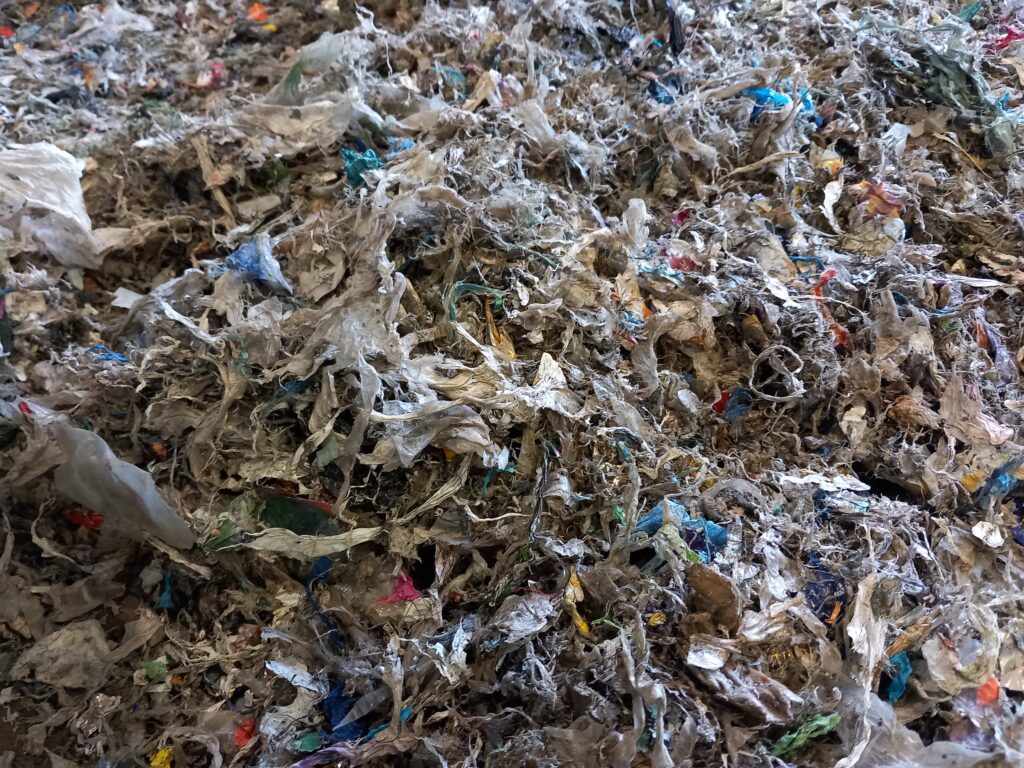
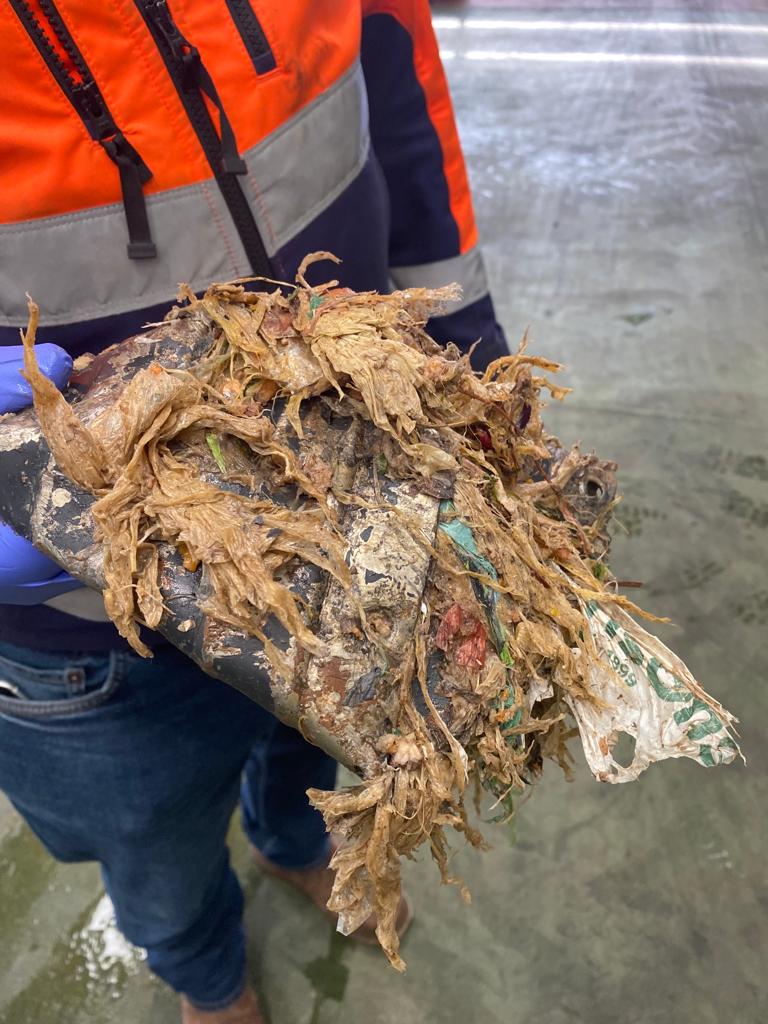
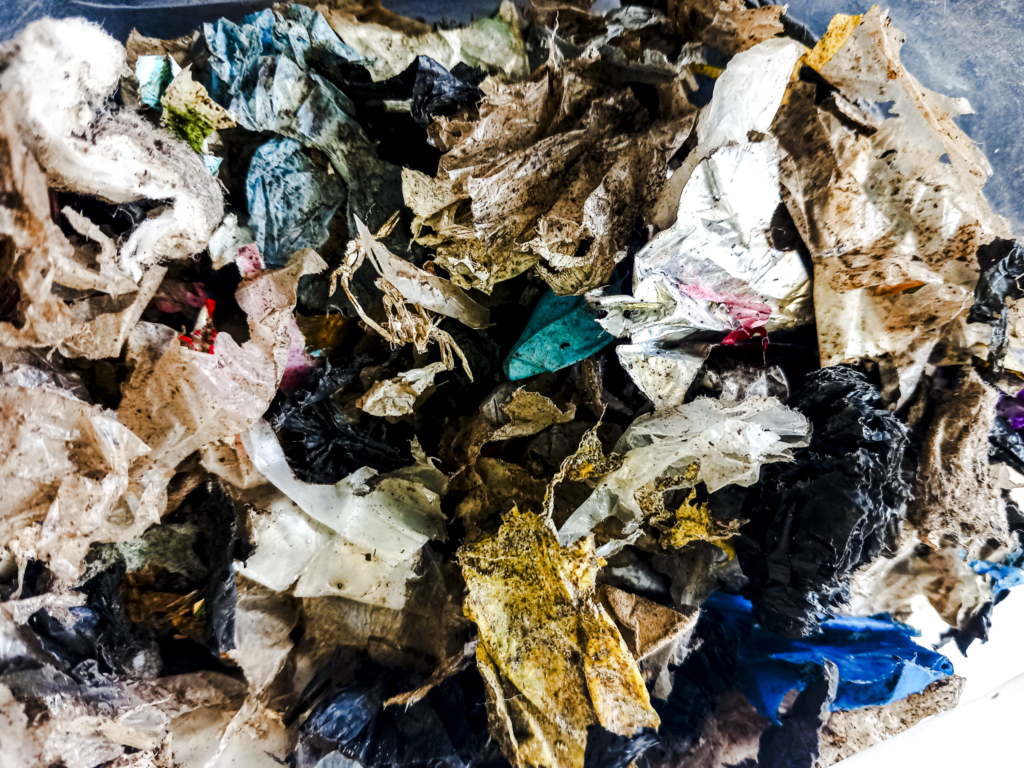
As demand for high-quality recycled plastics continues to increase, recyclers face growing pressure to improve material quality while maintaining profitability. Contamination from labels, dirt, oils, adhesives and product residues can significantly reduce the value of recycled plastics, making effective washing systems essential to modern recycling operations.
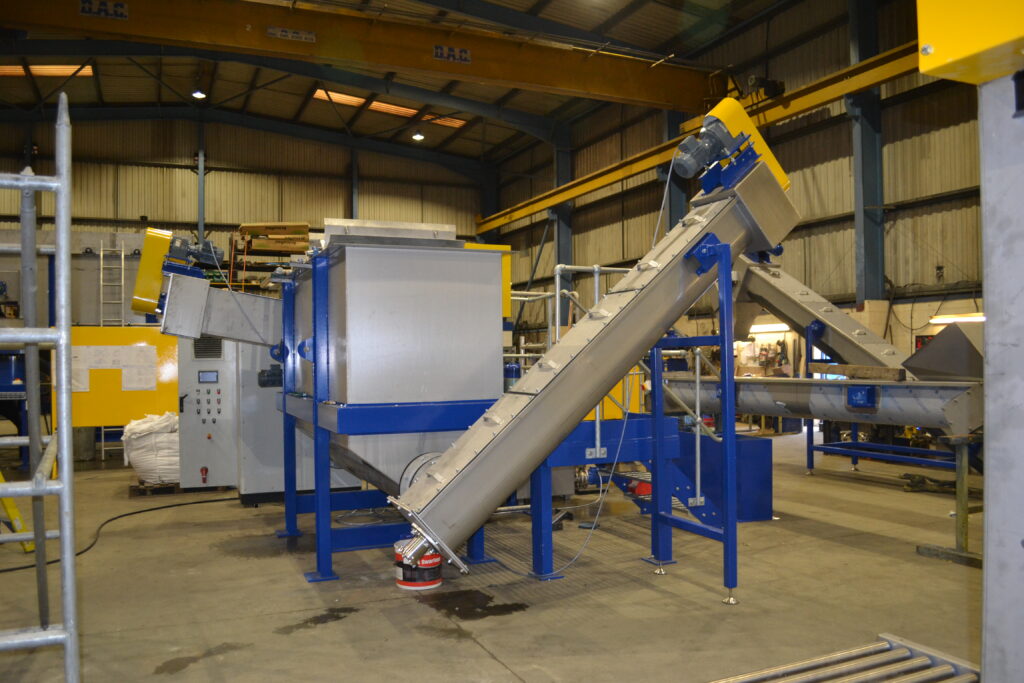
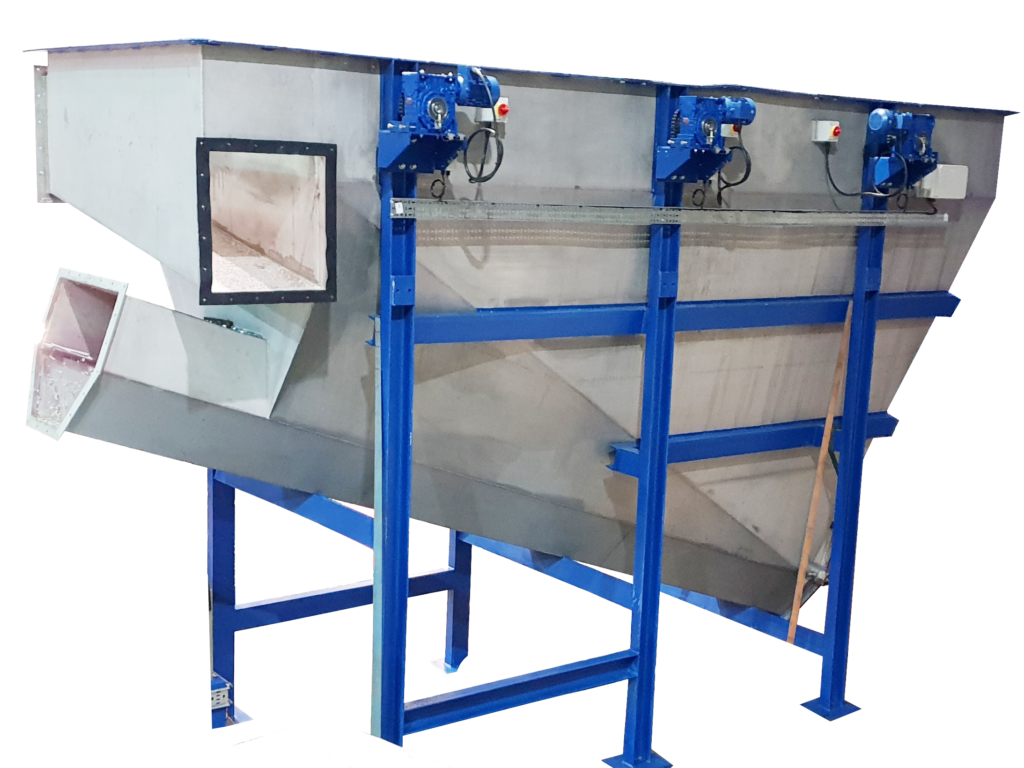
One of the most effective solutions available today is the rotary washer. Designed to provide intensive cleaning while maintaining high throughput rates, rotary washers play a critical role in plastic recycling plants worldwide.
What Are Rotary Washers?
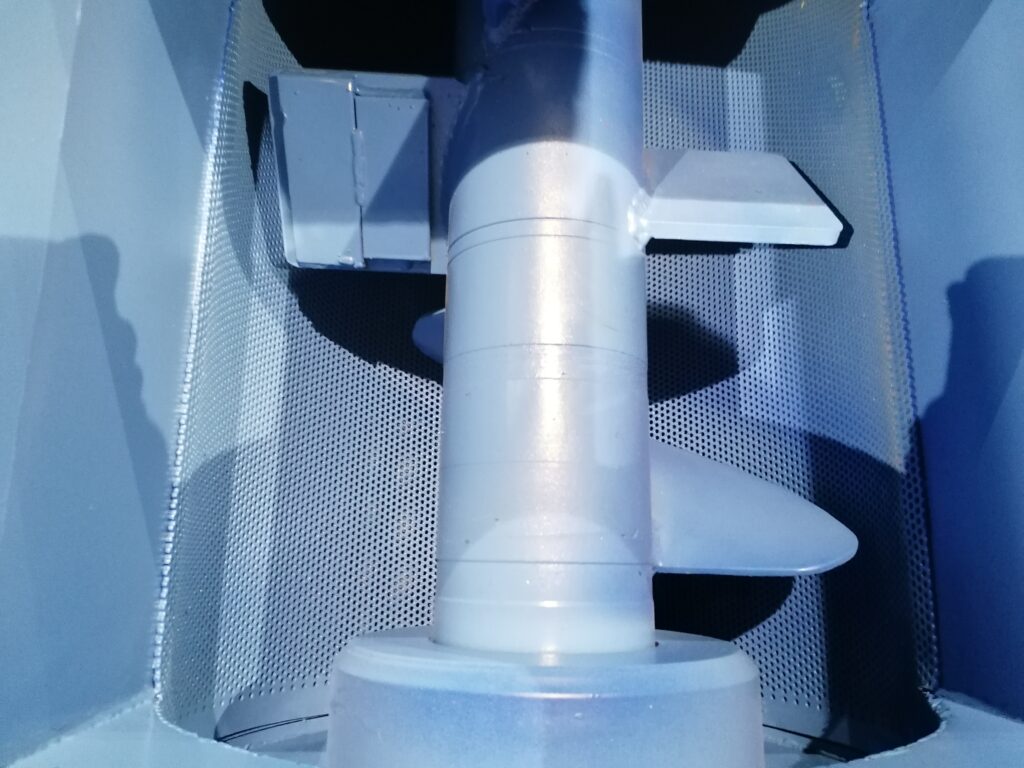
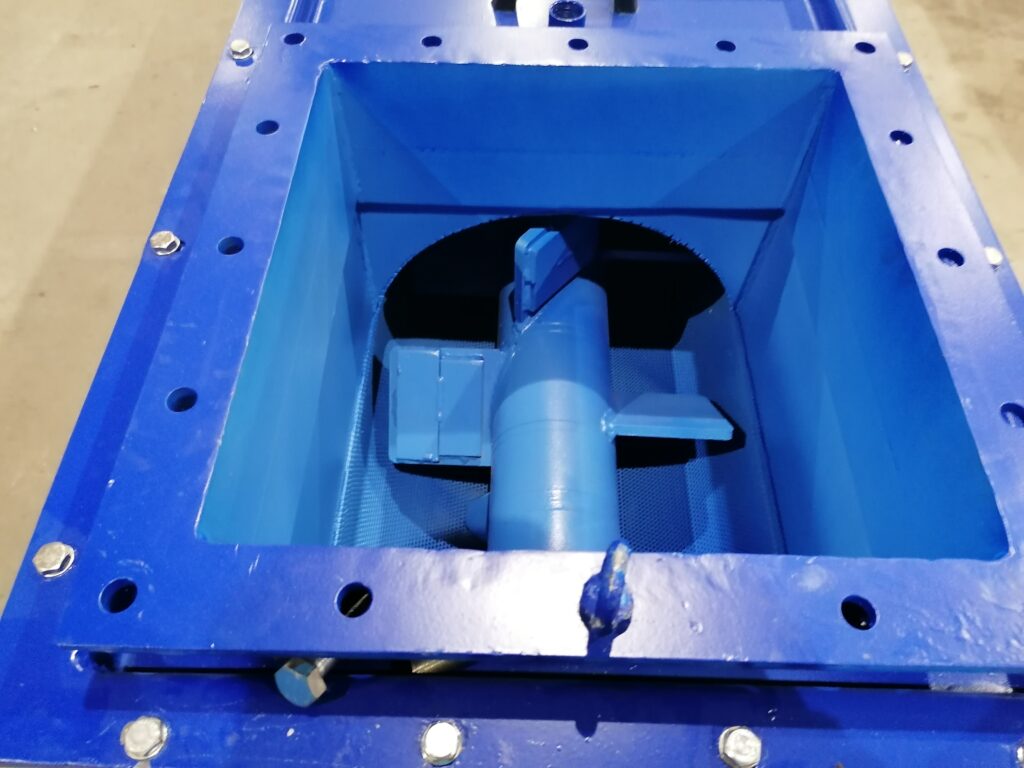
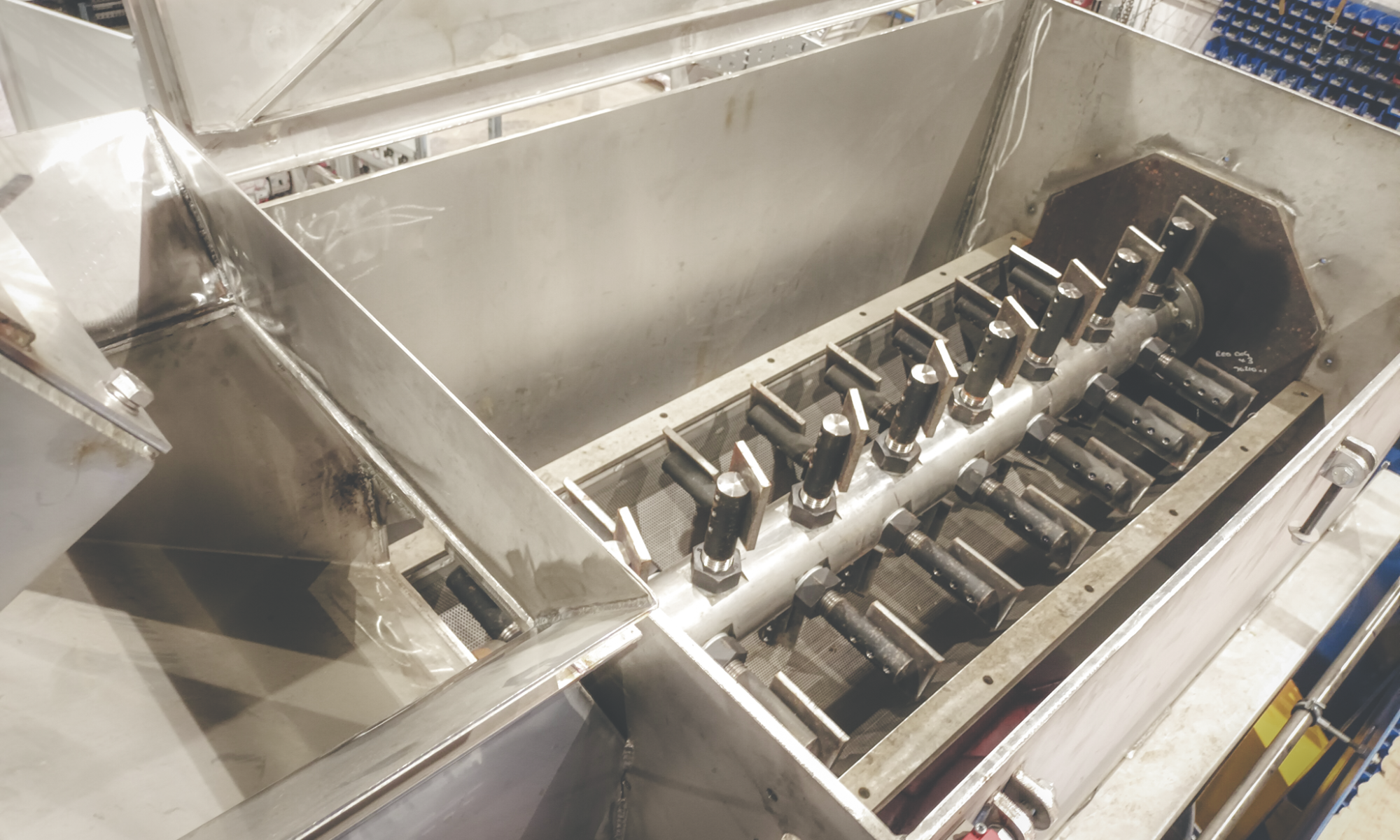
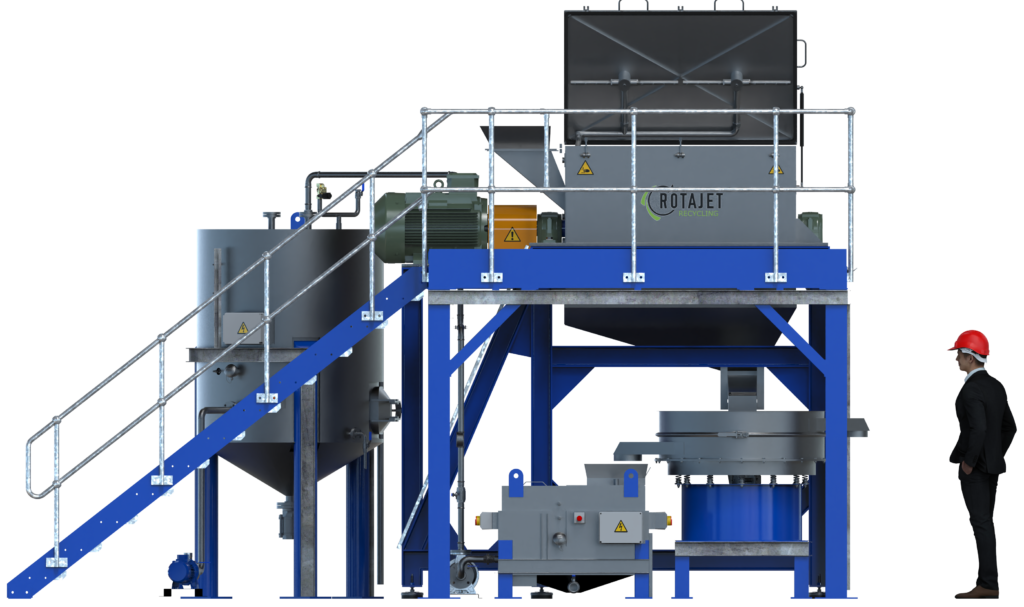
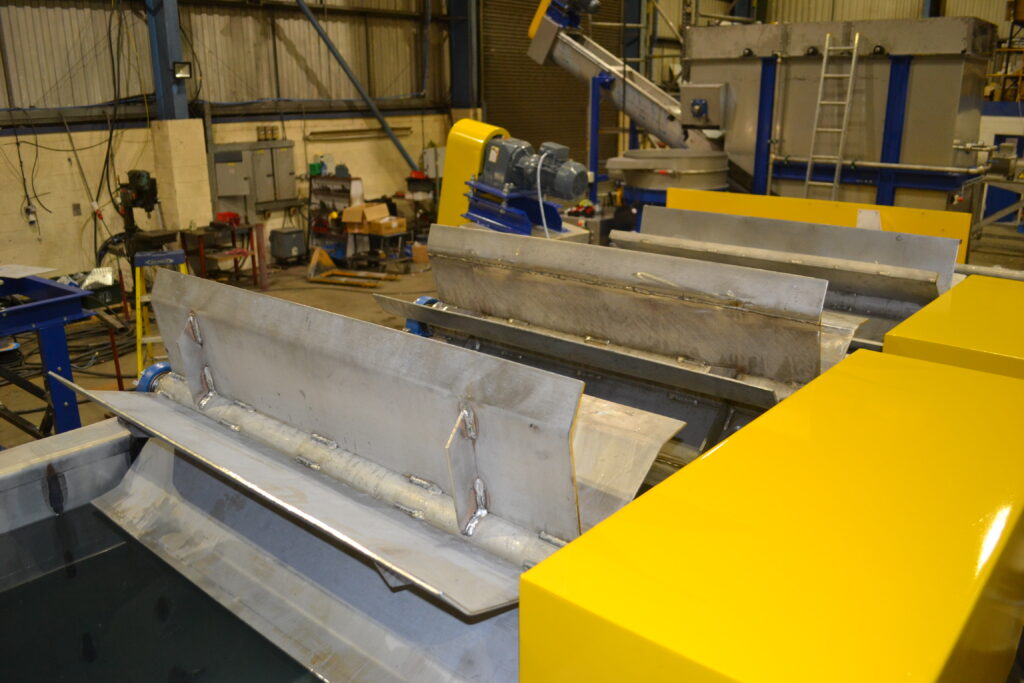
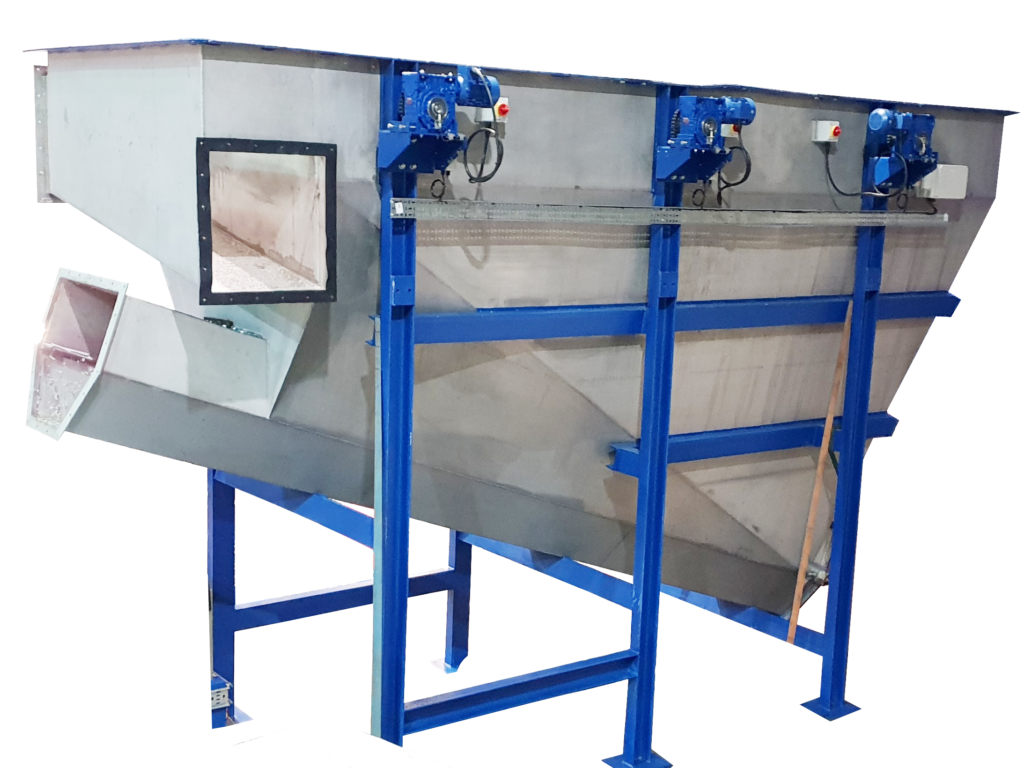
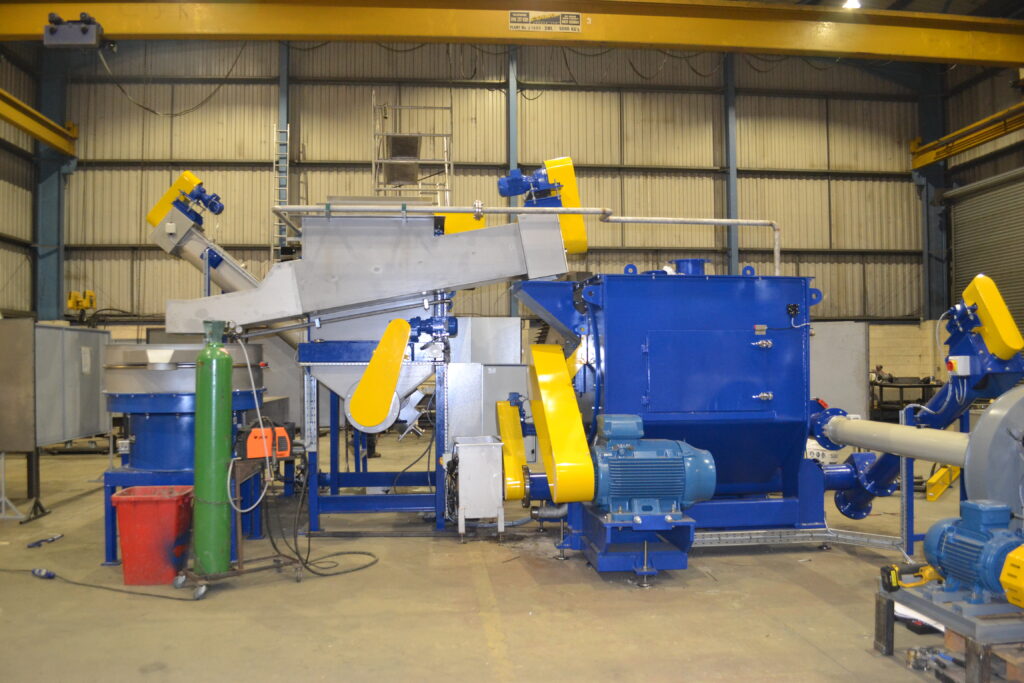
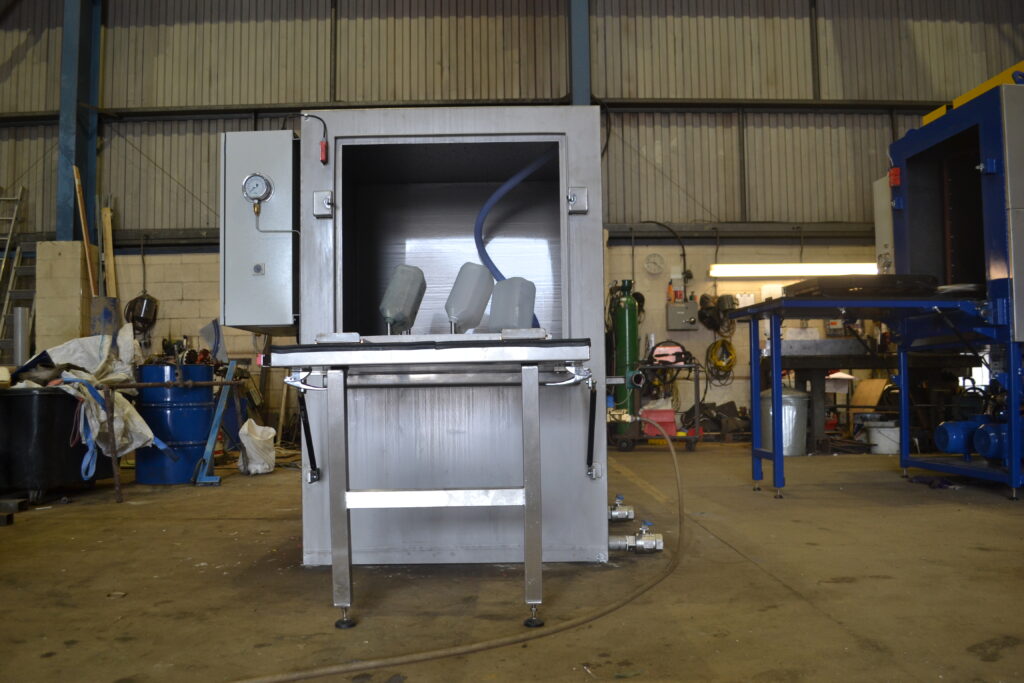
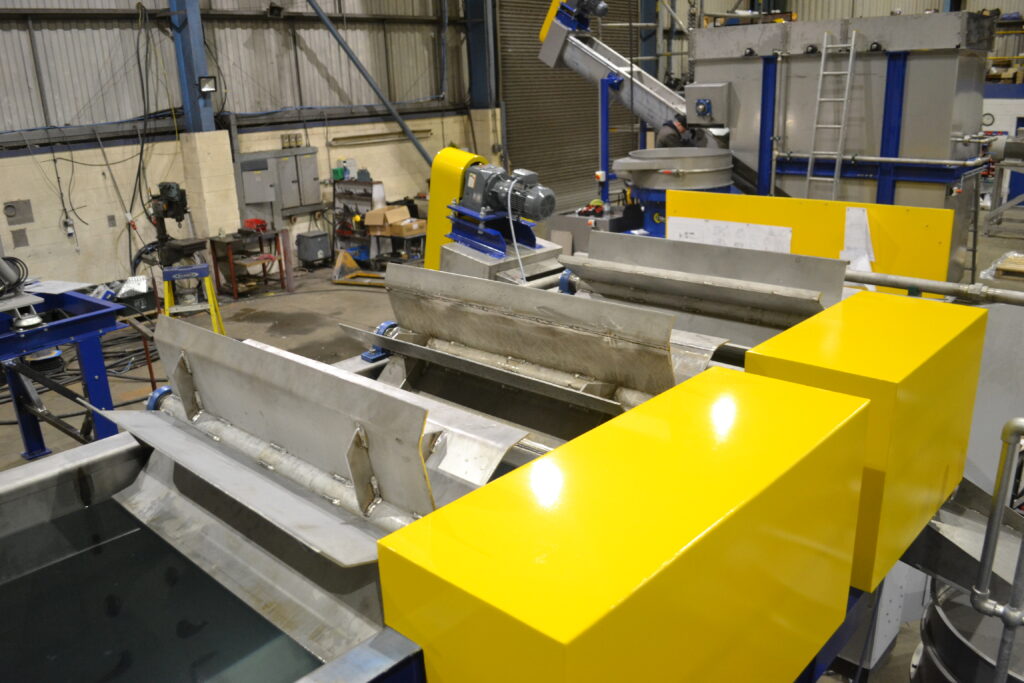
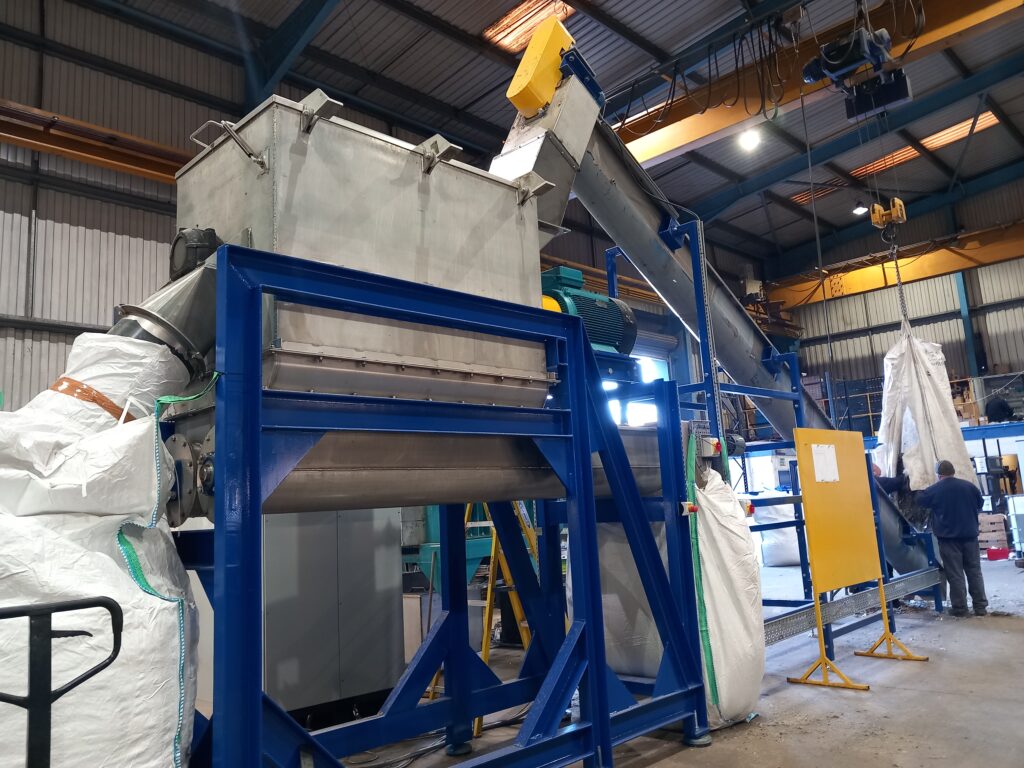
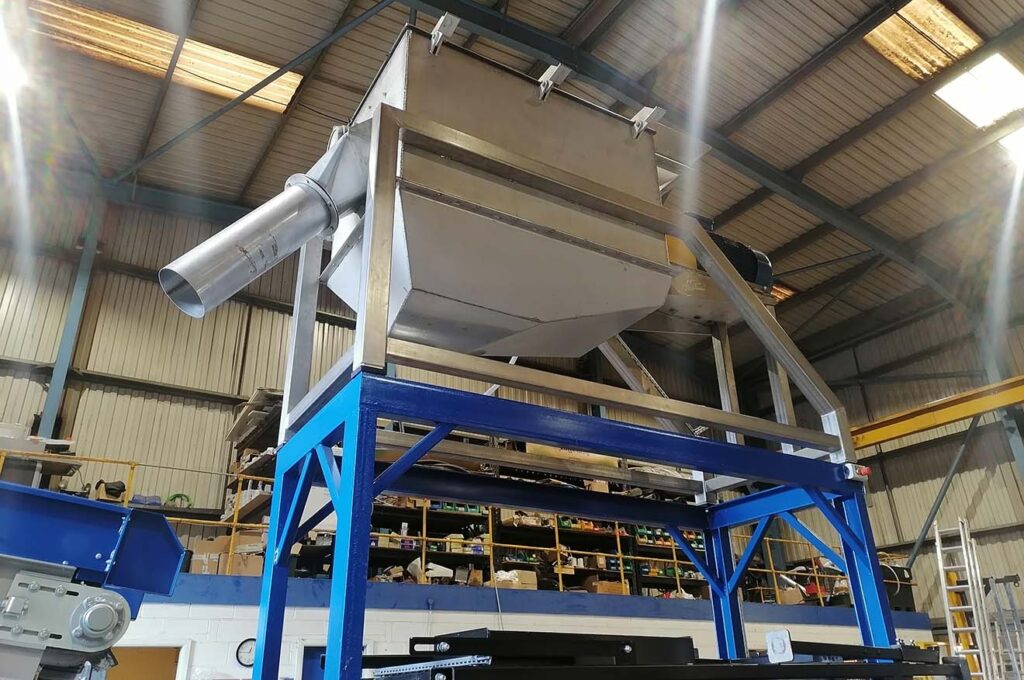
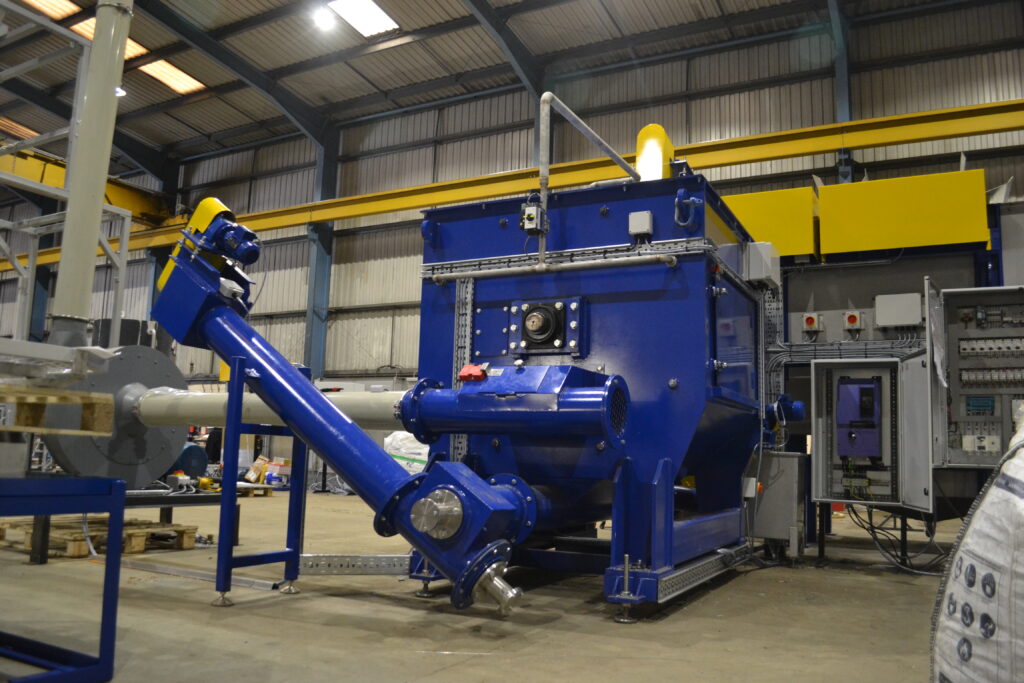
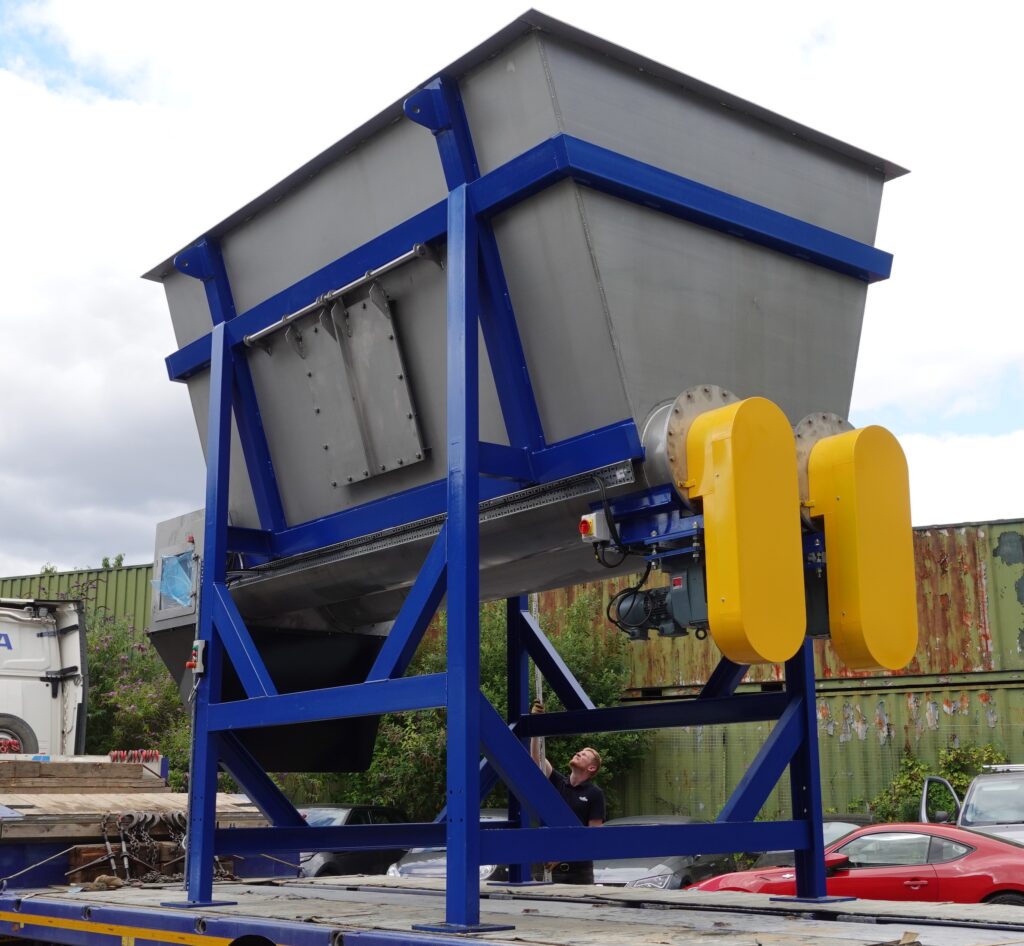
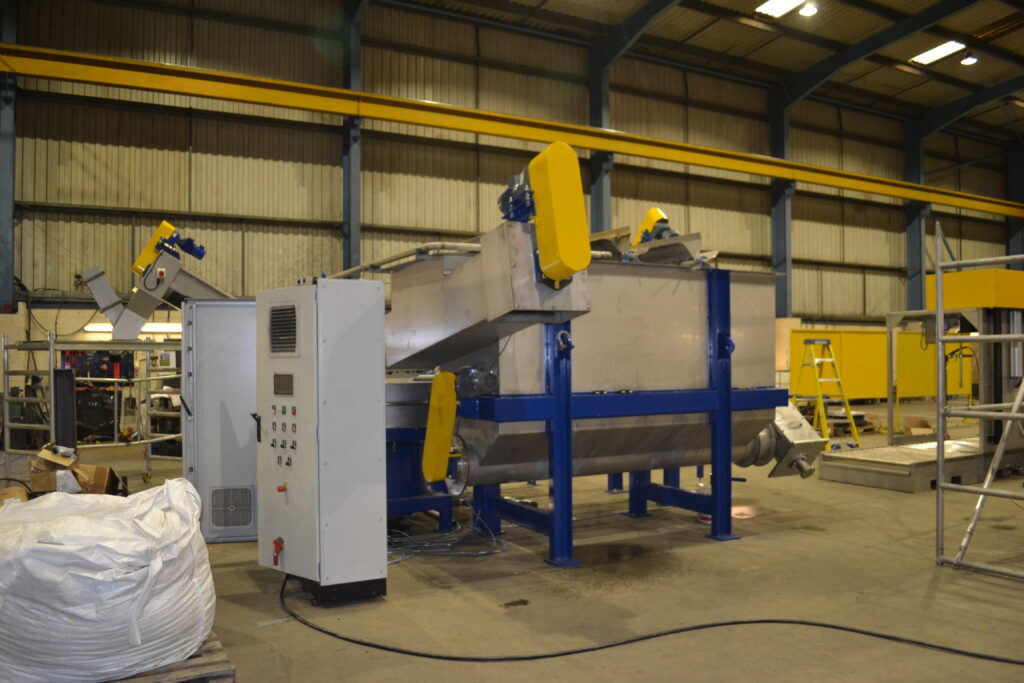
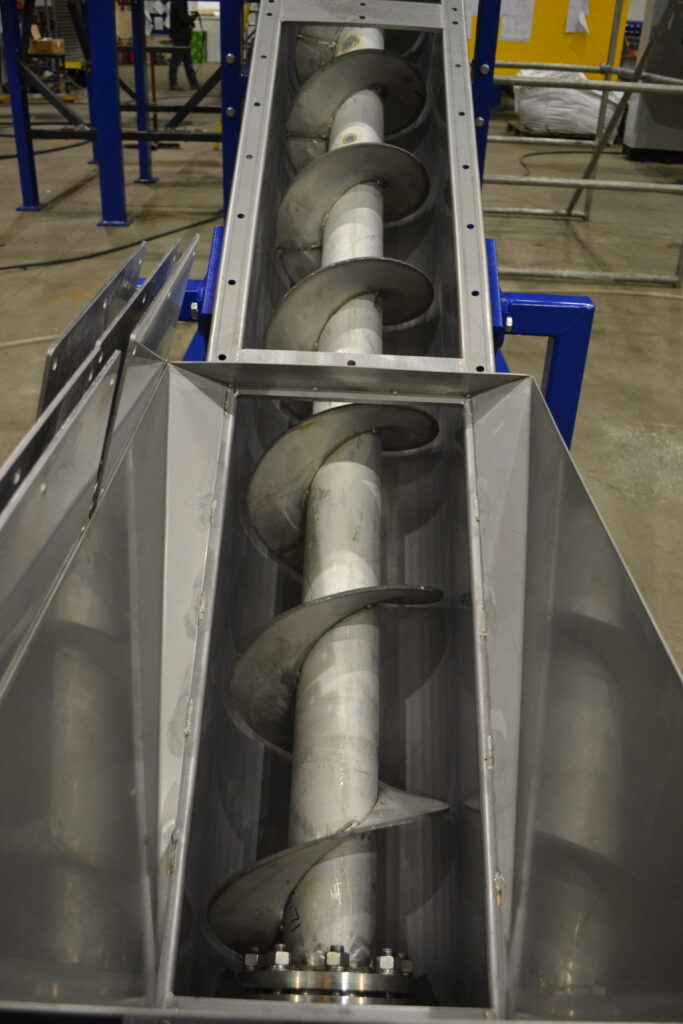
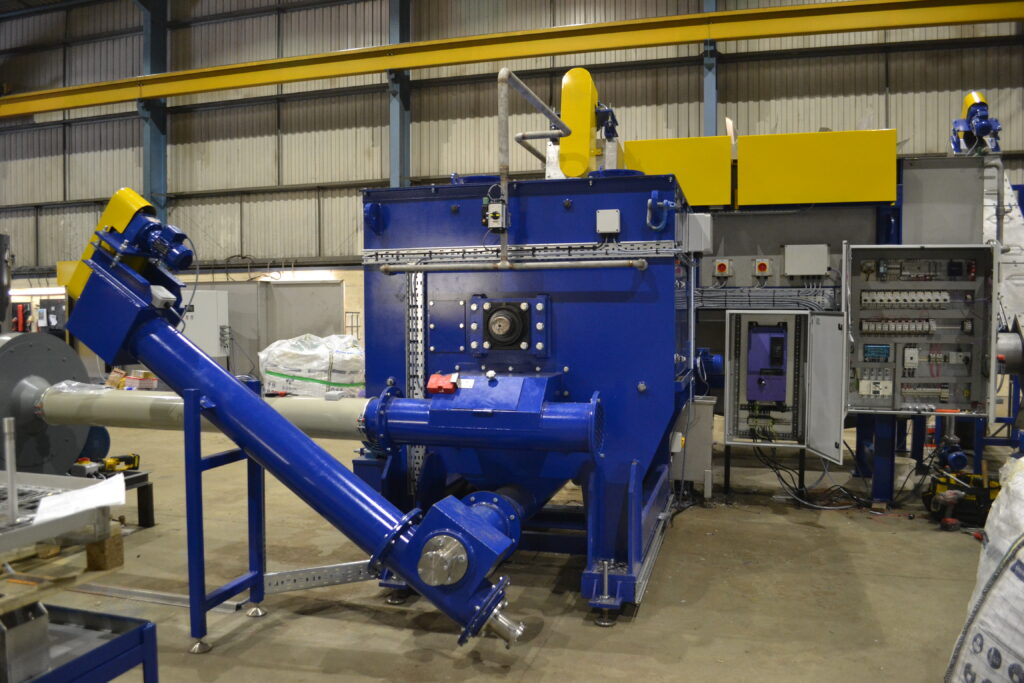
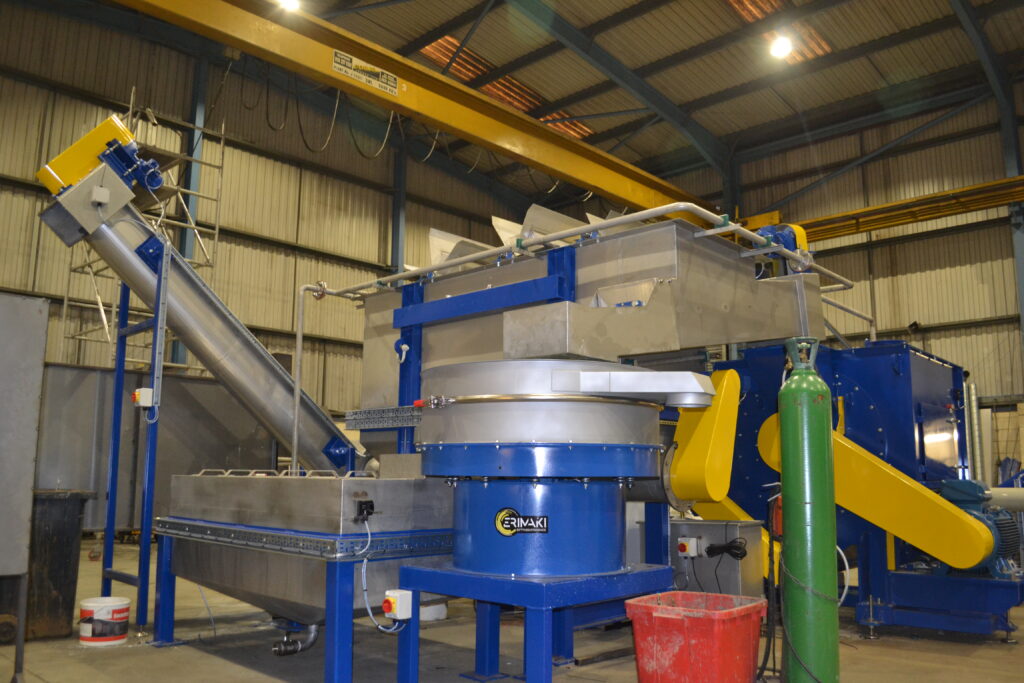
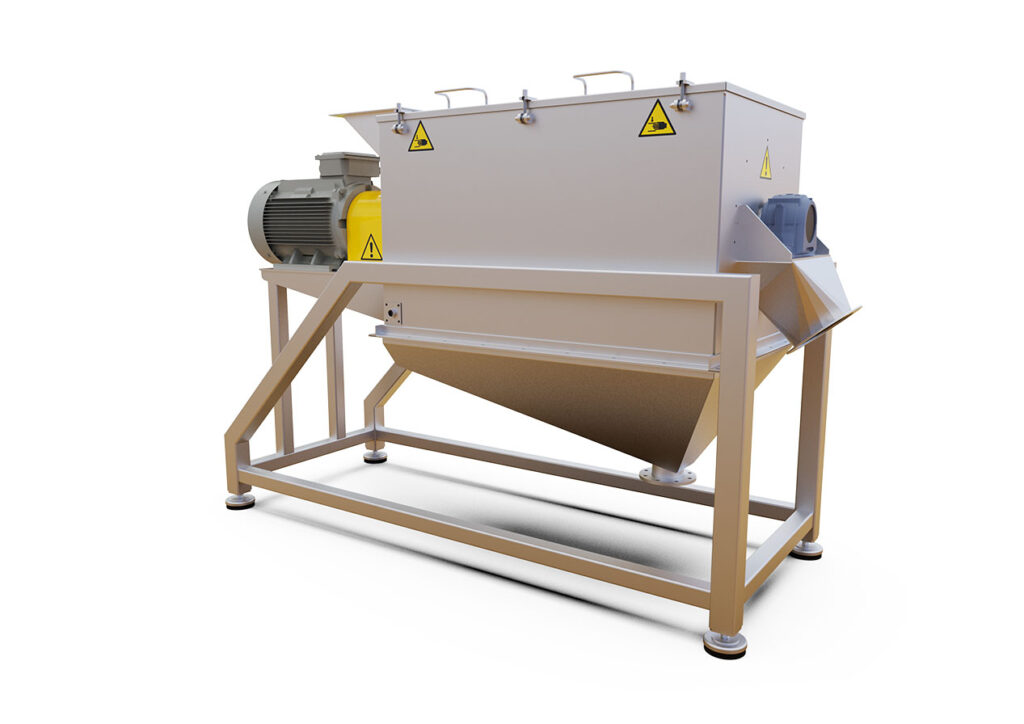
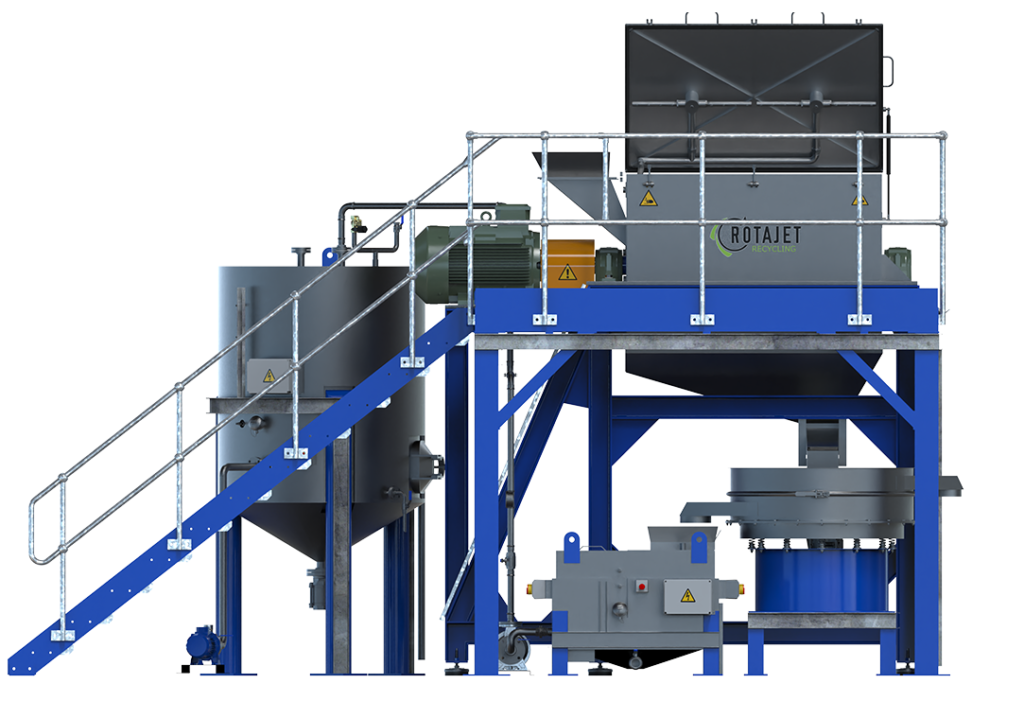
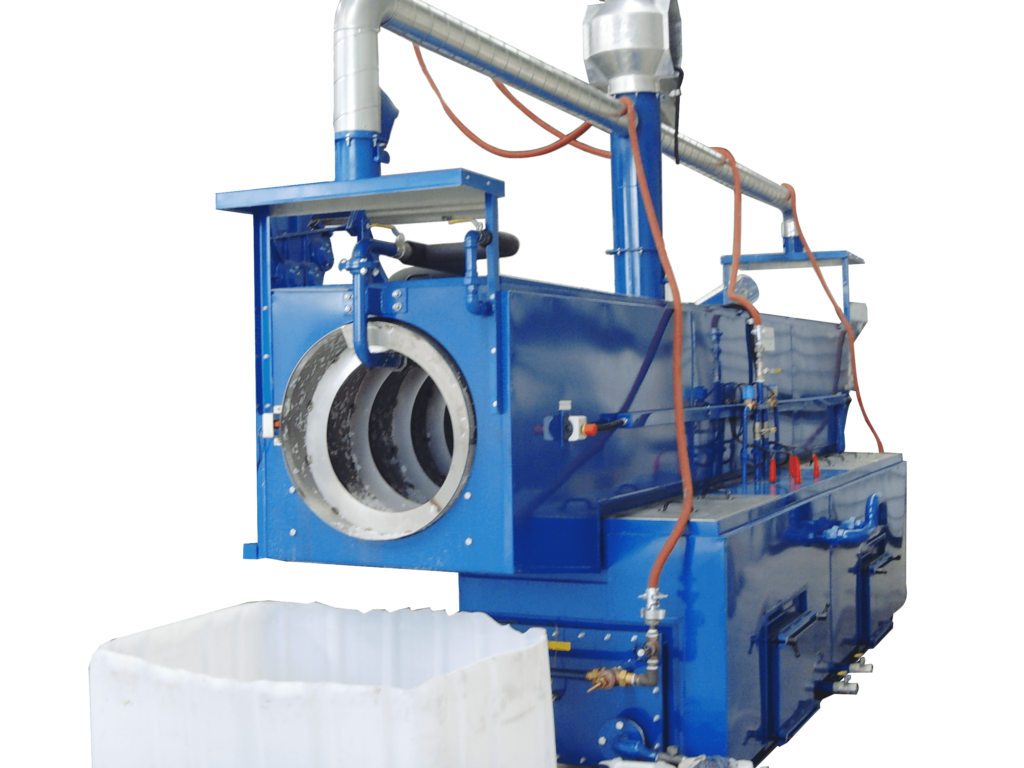
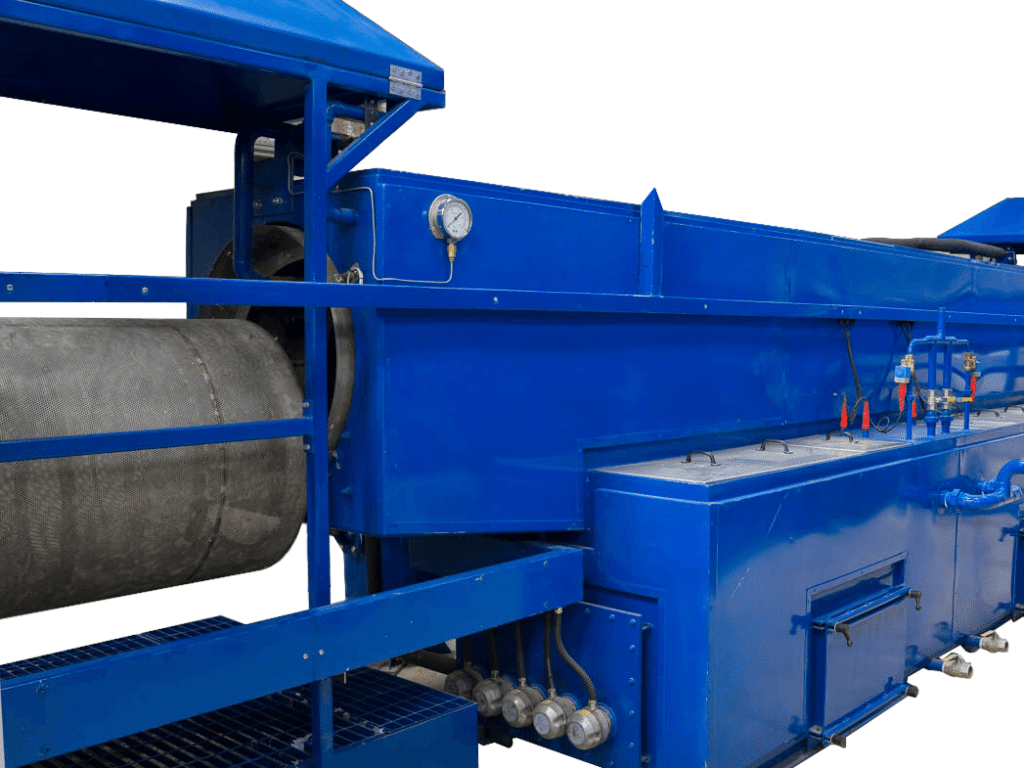
Rotary washers are industrial washing machines that use a rotating drum and carefully controlled water flow to clean plastic materials as they pass through the system. As the material moves through the rotating chamber, contamination is loosened and removed through a combination of mechanical agitation, friction and washing action.
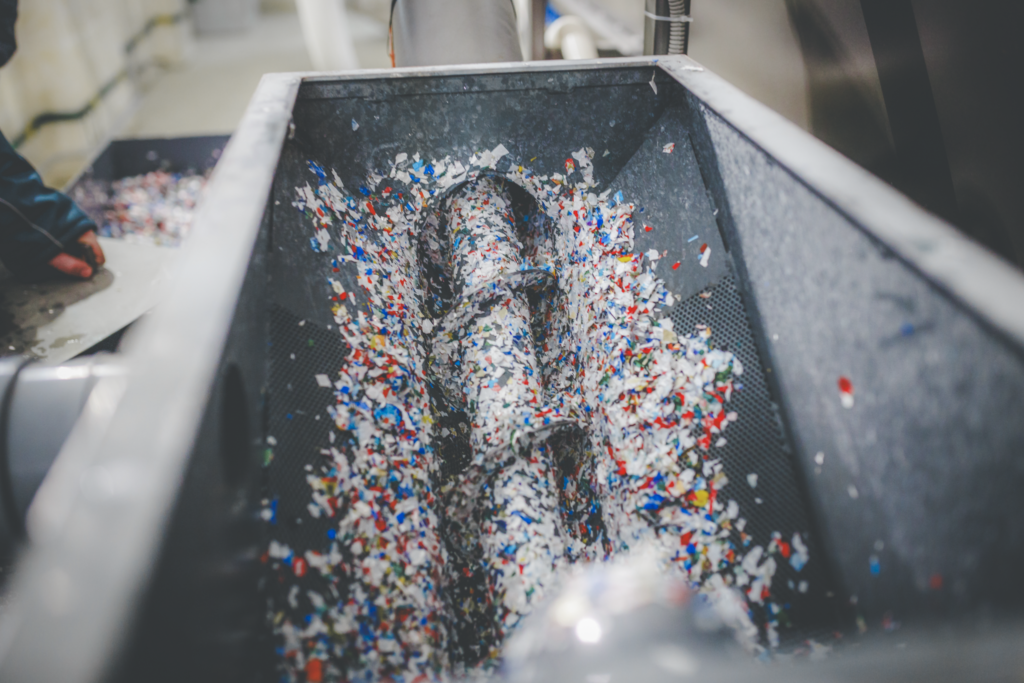
The result is cleaner plastic material that is better suited for downstream processes such as sink-float separation, friction washing, drying, extrusion and pelletising.
For recycling businesses processing large volumes of material, rotary washers provide a reliable and efficient method of improving material quality before further processing.
How Rotary Washers Work
The operating principle of a rotary washer is relatively simple but highly effective.
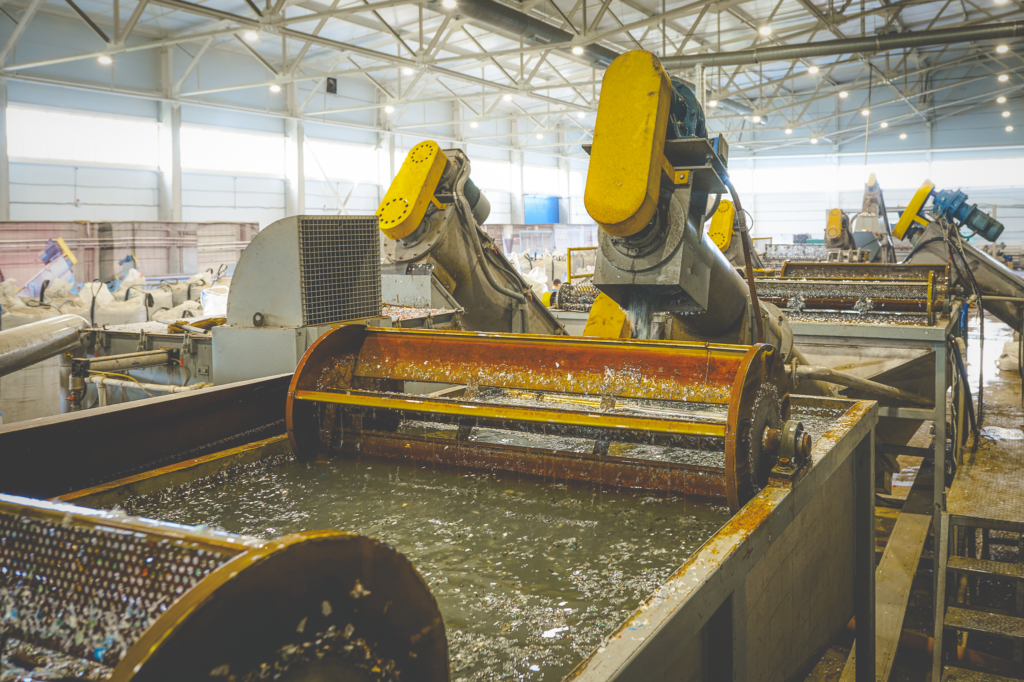
Contaminated plastic material enters the rotating drum where it is continuously tumbled and exposed to washing water. The rotation creates movement between the plastic particles, helping to dislodge contamination while preventing material from becoming compacted.
As the material progresses through the washer, contaminants are separated and flushed away. Depending on the application, the washer may be integrated with filtration, water recirculation and additional cleaning stages to maximise performance.
The continuous nature of the process allows rotary washers to maintain consistent throughput while delivering repeatable cleaning results.
Benefits of Rotary Washers in Plastic Recycling
Improved Cleaning Performance
One of the primary advantages of rotary washers is their ability to remove a wide range of contaminants from plastic waste streams. Whether processing post-consumer plastics or industrial production waste, rotary washers help improve material cleanliness and consistency.
Increased Throughput
Modern recycling facilities require equipment capable of handling significant material volumes. Rotary washers are designed for continuous operation, allowing recyclers to process large quantities of plastic efficiently without sacrificing cleaning performance.
Reduced Operating Costs
By removing contamination earlier in the recycling process, rotary washers help improve the efficiency of downstream equipment. Cleaner material reduces wear on machinery and can lower overall processing costs.
Better Recycled Plastic Quality
Producing high-quality recycled material is essential for achieving premium market value. Effective washing reduces contamination levels, resulting in cleaner flakes and regrind suitable for higher-value applications.
Flexible Integration
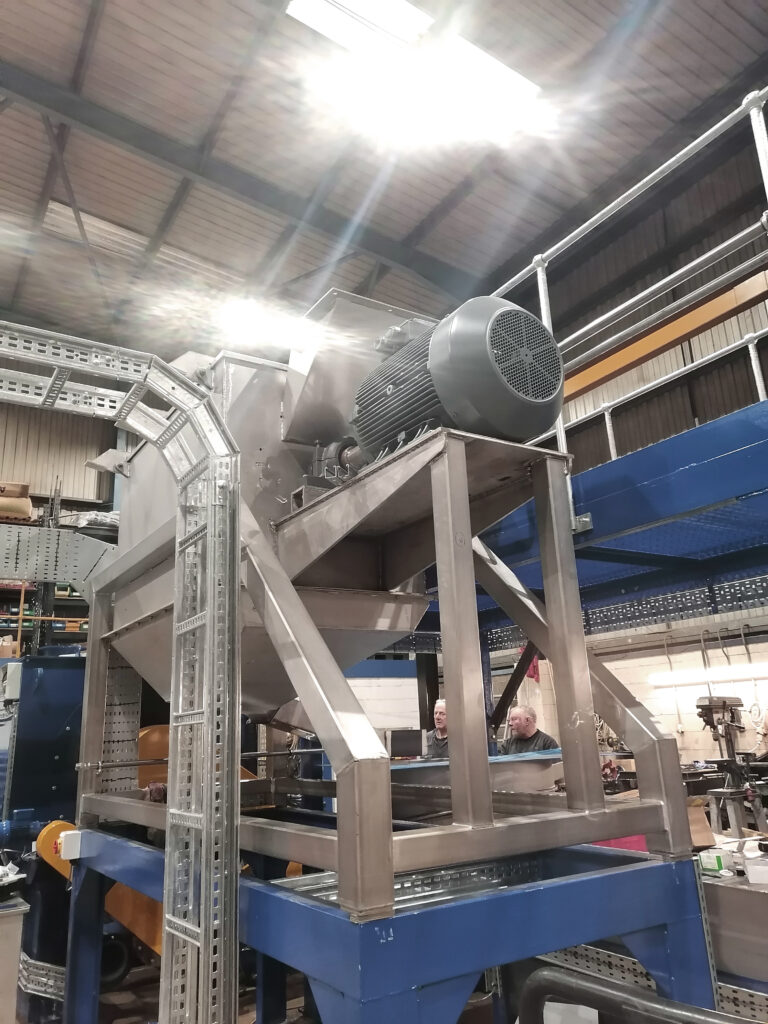
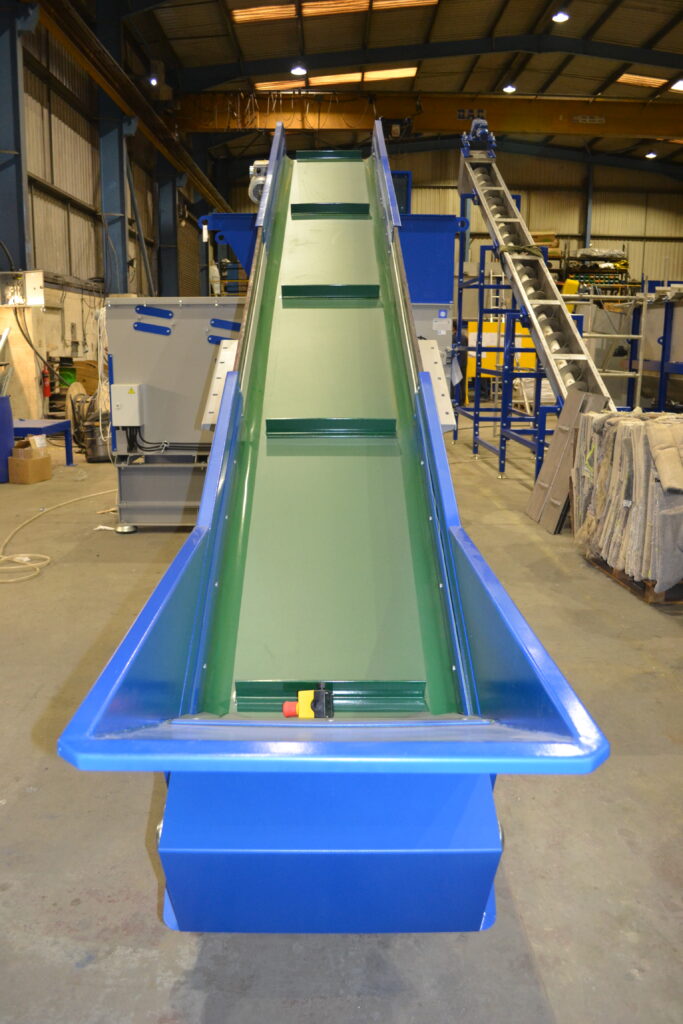
Rotary washers can be incorporated into new or existing recycling systems. Whether installed as a standalone machine or as part of a complete washing line, they provide a flexible solution for a wide range of recycling operations.
Applications for Rotary Washers
Rotary washers are suitable for processing many different plastic materials and products, including:
- HDPE containers
- LDPE materials
- PP plastics
- PET bottles
- Plastic drums
- Industrial packaging
- Bottle flakes
- Mixed rigid plastics
- IBC components
- Production scrap and regrind
Each material presents different contamination challenges, which is why selecting the correct washing solution is critical to achieving the desired cleaning performance.
Rotary Washers as Part of an Integrated Washing Line
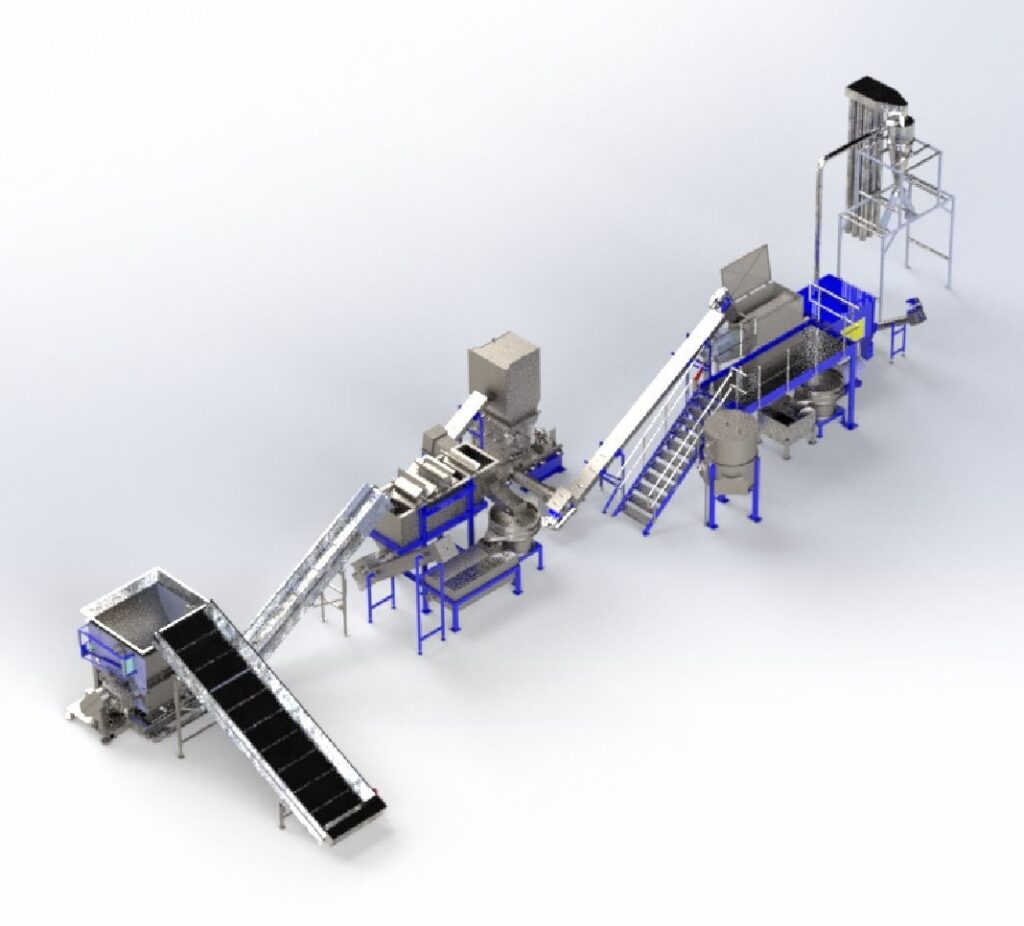
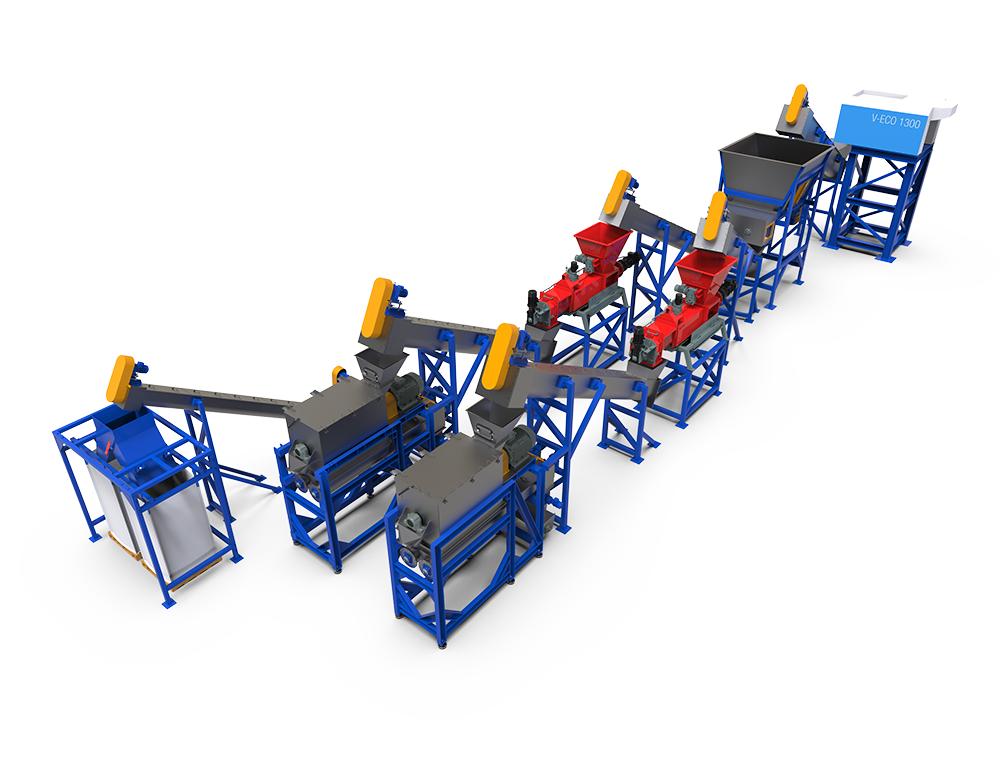
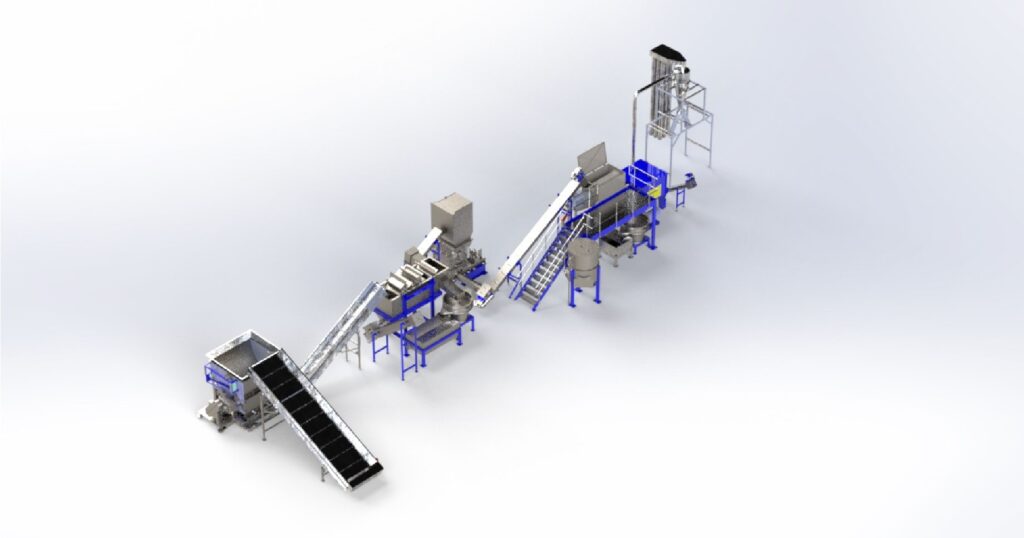
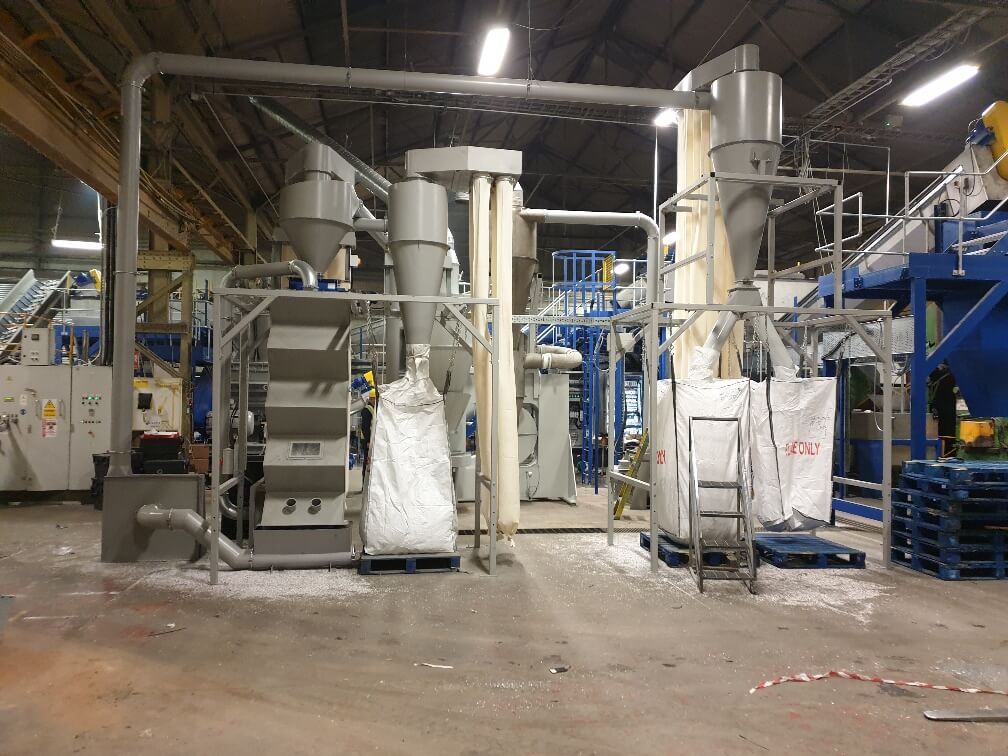
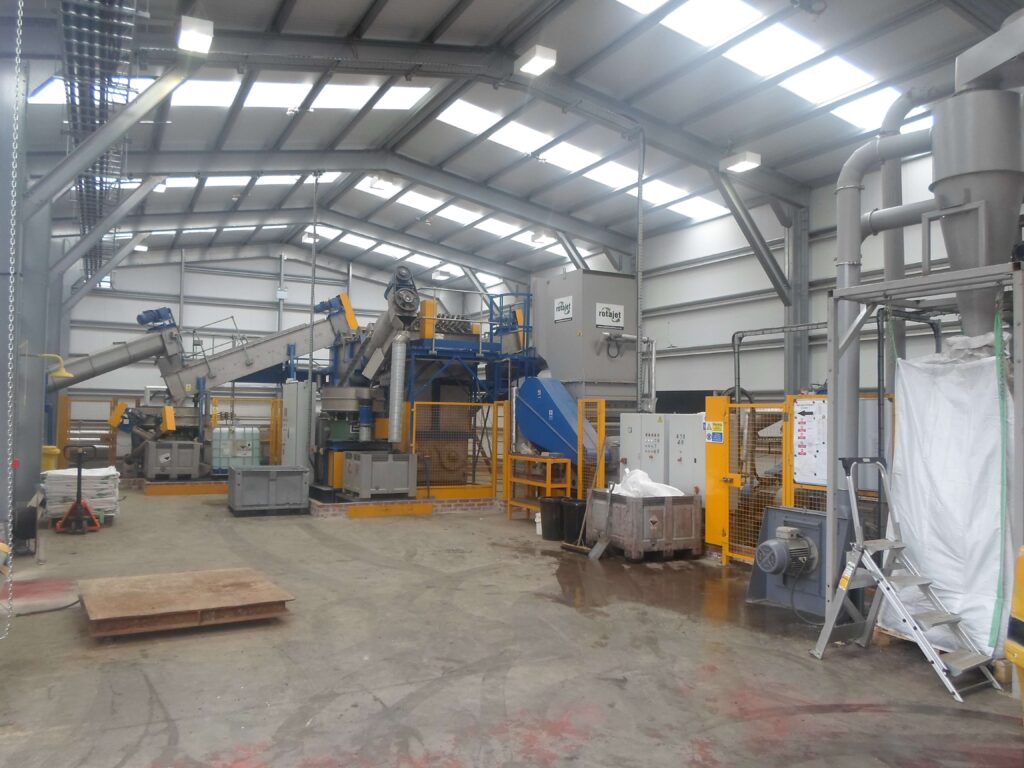
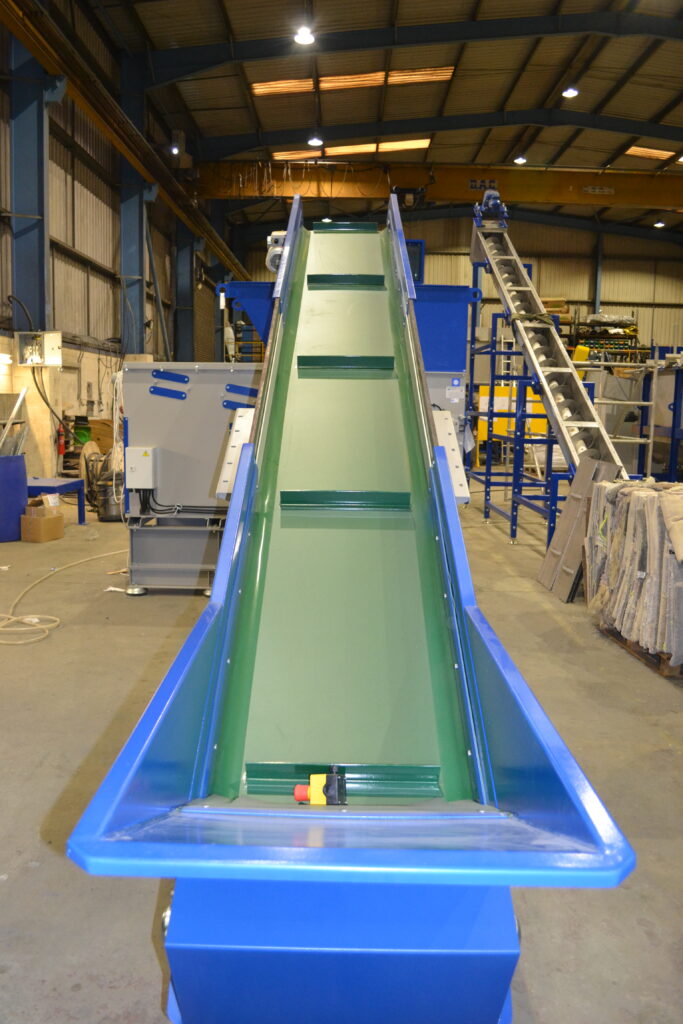
Although rotary washers can deliver excellent results as standalone machines, they are often most effective when incorporated into a complete recycling system.
A typical plastic washing line may include:
- Shredding and size reduction
- Rotary washing
- Friction washing
- Sink-float separation
- Hot washing
- Rinsing
- Dewatering
- Thermal drying
When each stage is designed to work together, recyclers benefit from improved efficiency, increased automation and more consistent product quality.
Why Choose Rotajet Rotary Washers?
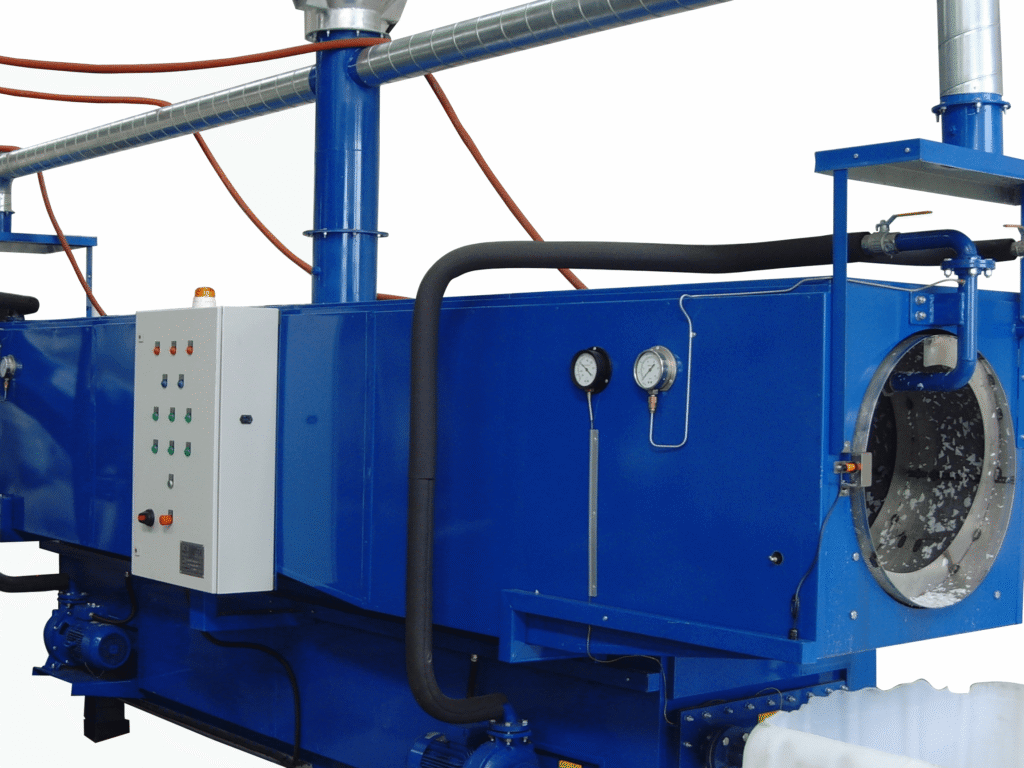
Rotajet Systems designs and manufactures industrial recycling equipment for customers throughout the recycling industry. Our rotary washers are engineered to provide reliable cleaning performance while integrating seamlessly with existing or new recycling plants.
Whether you are processing rigid plastics, plastic drums, bottles or industrial packaging waste, our engineering team can develop a solution tailored to your material, throughput requirements and production objectives.
From standalone rotary washers to complete turnkey recycling systems, Rotajet provides equipment, installation, commissioning and ongoing technical support to help recyclers maximise performance and profitability.
Free Material Trials
Every recycling application is unique. That’s why Rotajet offers free material trials to evaluate your plastic feedstock and determine the most effective washing process.
By testing your material, we can recommend the ideal rotary washer configuration and wider recycling system to achieve the best possible results.
Contact Rotajet Systems today to discuss your project and discover how our rotary washers can help you produce cleaner, higher-value recycled plastics.