Recycling HDPE Containers into High-Quality Plastic for Reuse
HDPE is one of the world’s most valuable and widely recycled plastics—but only when it is processed correctly.
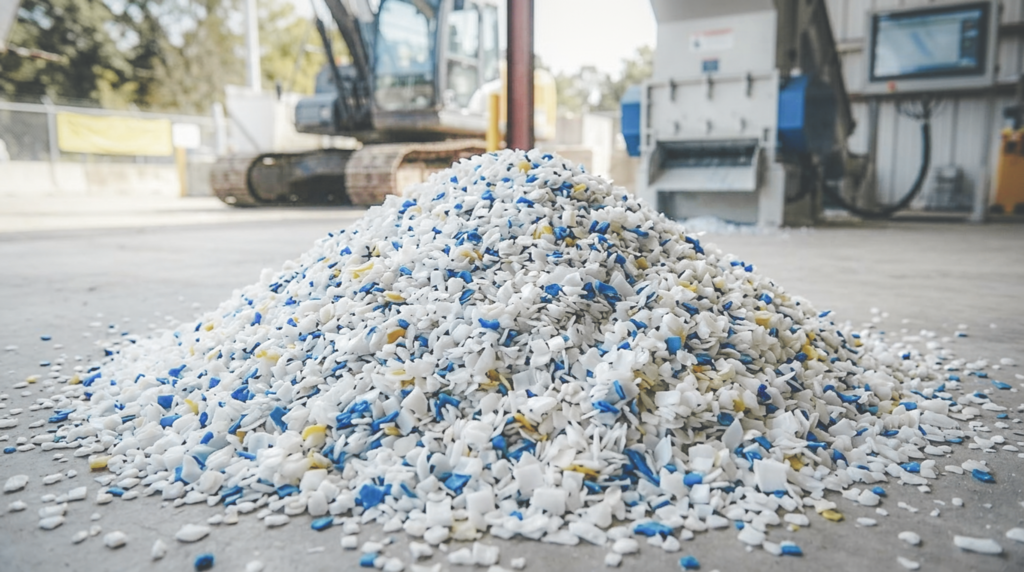
Used HDPE containers, drums, bottles and industrial packaging are manufactured from high-quality polyethylene that can often be recovered and reprocessed into new products. However, before this material can be recycled, contaminants such as oils, chemicals, detergents, labels and production residues must be removed to produce clean plastic suitable for reuse.
At Rotajet Systems, we design and manufacture complete HDPE recycling plants, HDPE washing lines and plastic recycling equipment that transform contaminated HDPE containers into clean, dry plastic flake ready for granulation and manufacture.
Whether you’re processing production scrap, post-consumer packaging or contaminated industrial containers, our systems help maximise material recovery while improving the quality and value of the recycled plastic.
Why HDPE Is One of the Most Recycled Plastics
High-Density Polyethylene (HDPE) combines excellent strength, impact resistance and chemical resistance with outstanding recycling potential.
Instead of disposing of used containers, manufacturers and recycling companies can recover valuable raw material that can be reprocessed into a wide variety of new products, helping reduce waste while supporting the circular economy.
Recycling HDPE can help businesses:
- Recover valuable raw material
- Reduce disposal costs
- Reduce landfill
- Improve sustainability
- Produce consistent recycled plastic
- Increase material recovery
- Support circular manufacturing
- Reduce virgin plastic consumption
The cleaner the recovered material, the greater its value for future manufacturing applications.
Not All HDPE Waste Is the Same
Every HDPE recycling project presents different challenges.
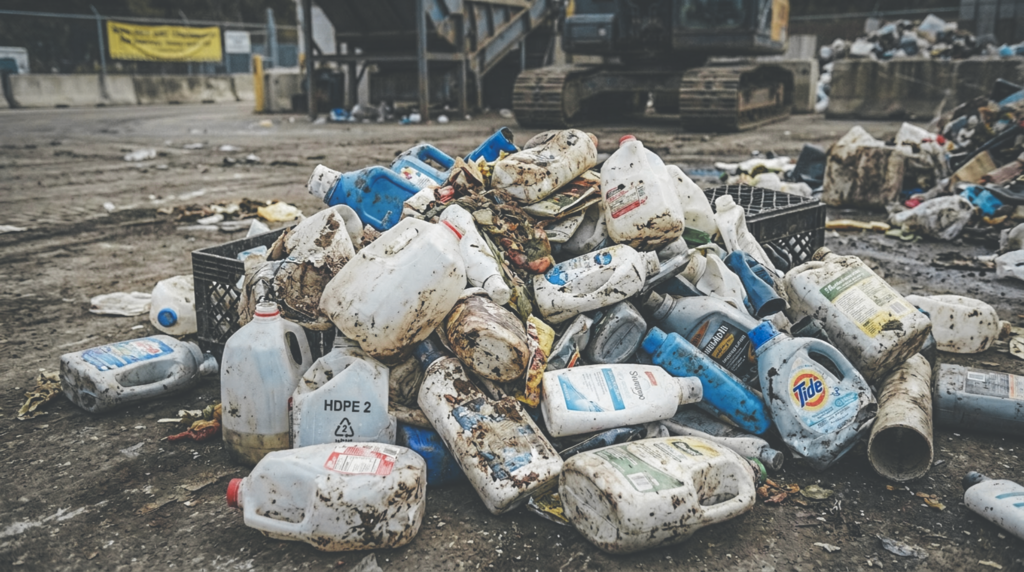
Some manufacturers recycle clean production scrap generated during blow moulding or injection moulding, while others process heavily contaminated containers that have previously held chemicals, lubricants, food ingredients or industrial products.
Typical HDPE materials include:
- Chemical drums
- Plastic bottles
- HDPE bottles
- IBC bottles
- Plastic pails
- Jerry cans
- Detergent containers
- Food ingredient containers
- Lubricant containers
- Agricultural chemical containers
- Industrial packaging
- Blow moulded products
- Wheelie bins
- Pipe offcuts
- Manufacturing scrap
- Production offcuts
Each application requires a recycling process designed around the material, contamination level and quality requirements of the finished recycled plastic.
Why Washing Is More Important Than Most People Think
In our experience, one of the most common causes of poor recycled plastic quality isn’t the granulator; it’s inadequate washing.
Residual chemicals, oils, labels and fine contamination left on the plastic surface can reduce the quality of the finished granulate and affect downstream manufacturing processes.
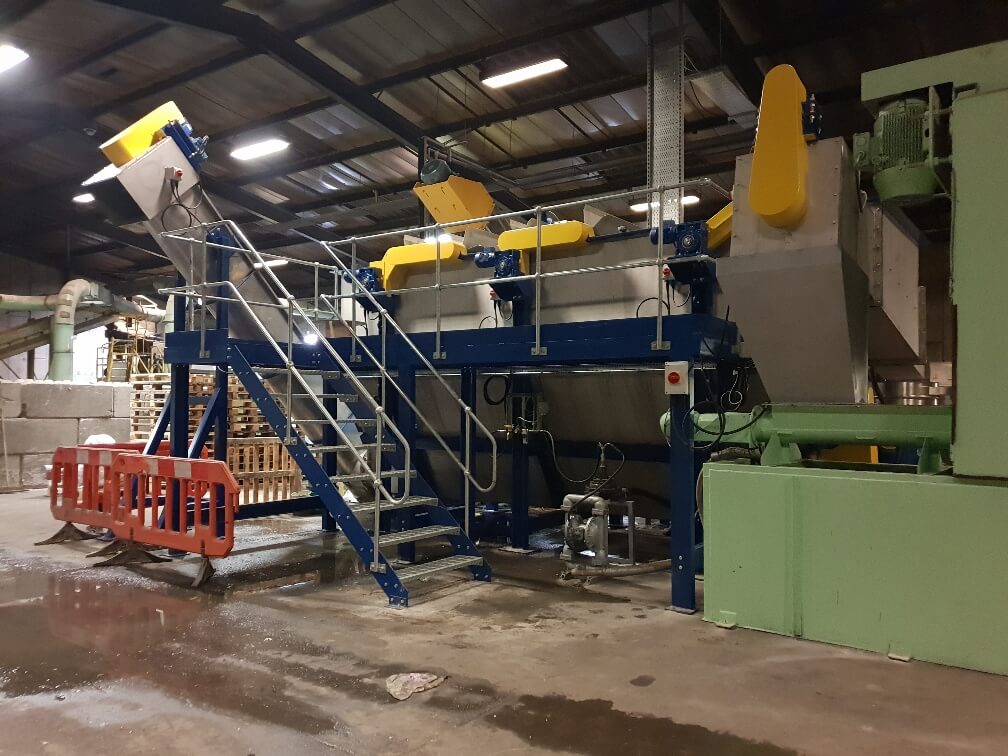
An effective HDPE washing line removes:
- Chemical residues
- Oils and lubricants
- Detergents
- Adhesives
- Labels
- Dirt and dust
- Sand
- Product residues
- Moisture
- Metal contamination
Producing clean HDPE flake before drying and granulation helps improve the consistency and quality of the finished recycled material.
From Used Container to New Product
Recycling HDPE is a complete engineering process rather than a single machine.
A typical HDPE recycling line includes:
Used HDPE Containers → Size Reduction → Pre-Washing → Hot Washing → Sink-Float Separation → Friction Washing → Thermal Drying → Granulation → Manufacturing New Products
Each processing stage removes contamination while preparing the material for the next operation, helping maximise recovery and produce high-quality recycled HDPE.
Industries Recycling HDPE
Rotajet recycling systems support organisations including:
- Plastic recycling companies
- Chemical manufacturers
- Packaging manufacturers
- Blow moulding companies
- Injection moulding companies
- Food manufacturers
- Agricultural suppliers
- Waste management companies
- Industrial manufacturers
- Plastic compounders
- Environmental service providers
Whether recycling clean production waste or contaminated post-consumer packaging, our systems can be tailored to suit your application.
Complete HDPE Recycling Plants
Every recycling facility has different production objectives.
Some require a standalone washing system, while others require a complete integrated recycling plant capable of processing large volumes of contaminated HDPE containers continuously.
Rotajet designs complete systems incorporating:
- Size reduction
- Washing
- Hot washing
- Sink-float separation
- Friction washing
- Thermal drying
- Granulation
- Material conveying
- Storage systems
Every recycling line is engineered around your material, throughput and finished product specification.
Material Trials & Process Development
No two HDPE waste streams behave the same way.
In our experience, containers that have held oils, detergents or chemicals often require different washing stages to achieve the material quality needed for high-grade recycling. The most effective process depends on the previous contents, contamination level and the intended use of the recycled HDPE.
Before specifying equipment, Rotajet can evaluate representative material samples and recommend the most suitable recycling process, helping reduce project risk before investment.
Integrated Plastic Recycling Systems
HDPE recycling is often one part of a wider recycling operation.
Rotajet also designs complete integrated recycling plants capable of processing multiple rigid plastic materials through a fully engineered production line.
Explore our Integrated Plastic Recycling Systems:
Frequently Asked Questions
Can contaminated HDPE containers be recycled?
Yes. With the correct combination of size reduction, washing, separation and drying, many contaminated HDPE containers can be converted into clean plastic flake suitable for granulation and reuse.
What is the difference between an HDPE washing line and a complete HDPE recycling plant?
A washing line focuses on cleaning the material, while a complete recycling plant integrates size reduction, washing, separation, drying and granulation to produce finished recycled material ready for manufacturing.
Can production scrap and post-consumer HDPE be processed using the same system?
In many cases, yes. However, the washing process and equipment configuration are usually tailored to suit the contamination level and required finished material quality.
Can Rotajet carry out recycling trials?
Absolutely. Material trials allow us to evaluate your HDPE waste and recommend the most effective recycling process before equipment is specified.
