In many cases, chemical drums, IBCs and plastic pails are manufactured from high-quality HDPE that can be recycled and reprocessed into new products. The challenge isn’t the plastic itself—it’s the contamination left behind.
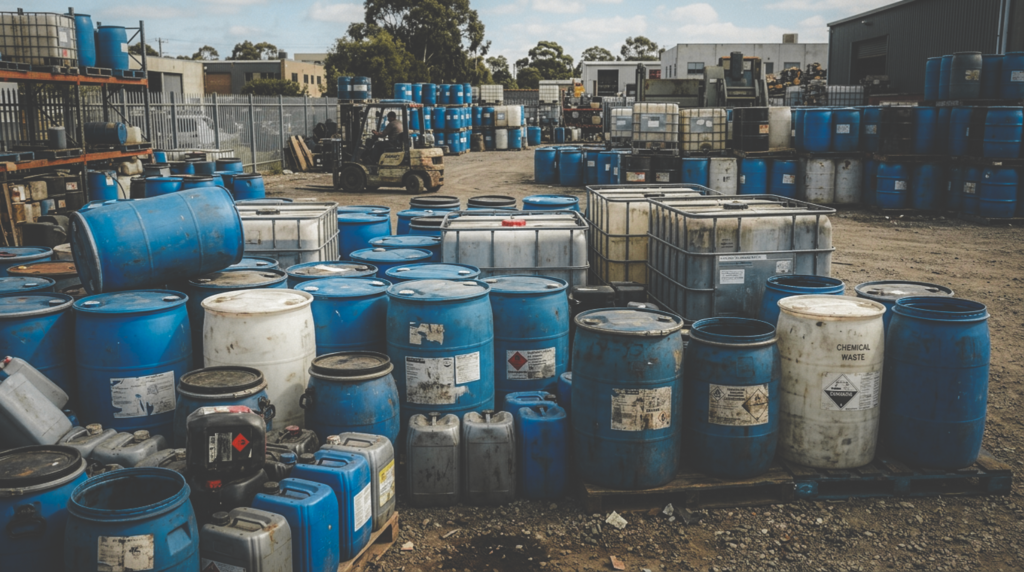
Residual chemicals, oils, paints, adhesives, powders and other process materials can prevent valuable plastic from being recycled efficiently. Before these containers can become clean recycled granulate, they must pass through a carefully engineered washing process that removes contamination while protecting the quality of the recovered material.
At Rotajet Systems, we design and manufacture complete container recycling systems that transform contaminated industrial packaging into clean, dry plastic flakes ready for granulation and reprocessing. Our integrated recycling lines help manufacturers and recycling companies recover more valuable material while reducing landfill and disposal costs.
Why Industrial Containers Are Worth Recycling
Industrial containers are manufactured to withstand demanding environments, making them an excellent source of high-quality recyclable plastic.
Rather than disposing of used packaging, many businesses are recovering HDPE and other engineering plastics for reuse in manufacturing.
Effective recycling helps businesses:
- Recover valuable HDPE
- Reduce disposal costs
- Remove product residues
- Improve recycled material quality
- Produce clean plastic flake
- Prepare material for granulation
- Support circular manufacturing
- Maximise material recovery
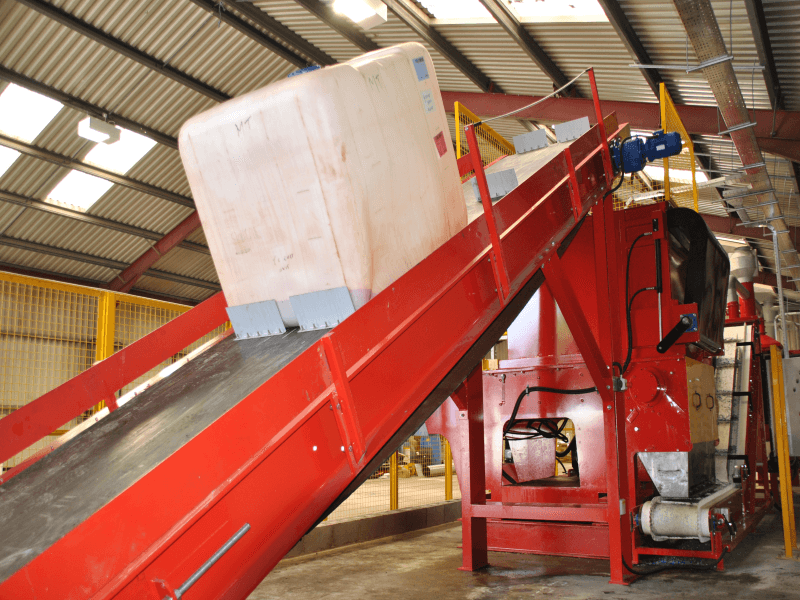
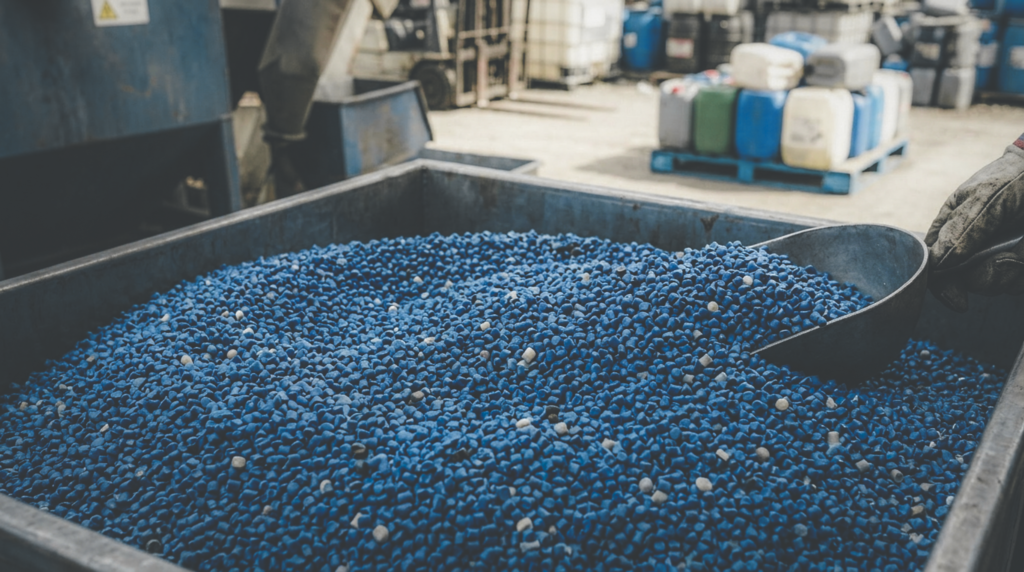
Turning contaminated containers into reusable raw material creates both environmental and commercial value.
Every Container Presents a Different Challenge
No two waste streams are the same.
Some containers contain food products that wash away easily, while others have held oils, detergents, paints, inks, chemicals, powders or adhesives that require more intensive processing.
Typical containers include:
- Chemical drums
- Plastic drums
- IBC bottles
- Plastic pails
- Jerry cans
- Lubricant containers
- Food ingredient containers
- Detergent containers
- Paint containers
- Chemical storage vessels
- Industrial packaging
- Manufacturing containers
Each application requires a recycling process designed around the contamination and the required quality of the finished recycled material.
From Used Container to Recycled Plastic
Recovering plastic from industrial containers involves several carefully controlled stages.
A typical recycling process includes:
Container Inspection → Size Reduction → Washing → Rinsing → Separation → Drying → Granulation → Manufacturing New Products
Every stage contributes to producing clean, dry granulate suitable for reuse in a wide range of manufacturing applications.
Removing Contamination
One of the biggest challenges in container recycling is removing residues without damaging the plastic.
Typical contaminants include:
- Chemical residues
- Oils and lubricants
- Paints and coatings
- Adhesives
- Powders
- Food residues
- Labels
- Dirt and dust
- Metal contamination
- Moisture
Effective washing and rinsing systems help prepare clean plastic for the next stage of recycling while improving the quality and value of the finished product.
Complete Container Recycling Systems
Rotajet designs complete container recycling systems that combine multiple stages into one integrated process.
Depending on the application, systems may include:
- Container preparation
- Size reduction
- High-performance washing
- Rinsing
- Sink-float separation
- Friction washing
- Thermal drying
- Granulation
- Material conveying
- Storage
Every recycling line is engineered around your container type, contamination levels and production requirements.
Integrated Plastic Recycling Solutions
Container recycling is often one part of a larger recycling operation.
Rotajet also designs complete integrated recycling systems capable of processing a wide range of rigid plastic materials through a fully engineered production line.
Material Trials & Process Development
Not every contaminated container behaves the same way.
Before designing a recycling system, our engineers can assess representative containers and recommend the most effective washing, rinsing and separation process to achieve the required recycled material quality.
Material trials help reduce project risk while ensuring the recycling line is designed specifically for your application.
FAQs
Can contaminated drums be recycled
Yes. With the correct washing and recycling process, many contaminated HDPE drums can be cleaned, processed and converted into reusable plastic granulate.
Can IBCs and plastic pails be recycled in the same system?
Depending on their size, construction and contamination levels, integrated recycling systems can often be configured to process multiple types of industrial containers.
Can Rotajet remove labels and product residues?
Yes. Our washing, rinsing and separation systems are designed to remove a wide range of residues and contaminants, helping improve the quality of the recovered plastic.
Can Rotajet design a complete container recycling line?
Absolutely. We design and manufacture complete integrated recycling systems, from container preparation and washing through to drying, granulation and material handling.
