
Inside a Modern Plastic Washing Line
Feed Preparation and Size Reduction
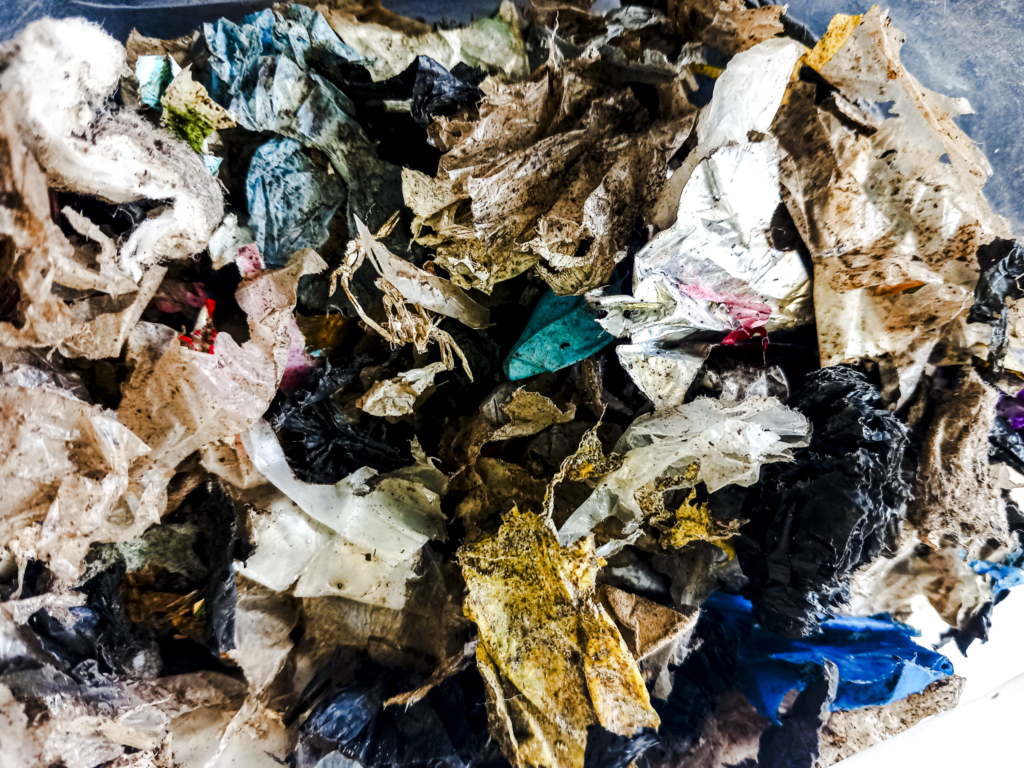
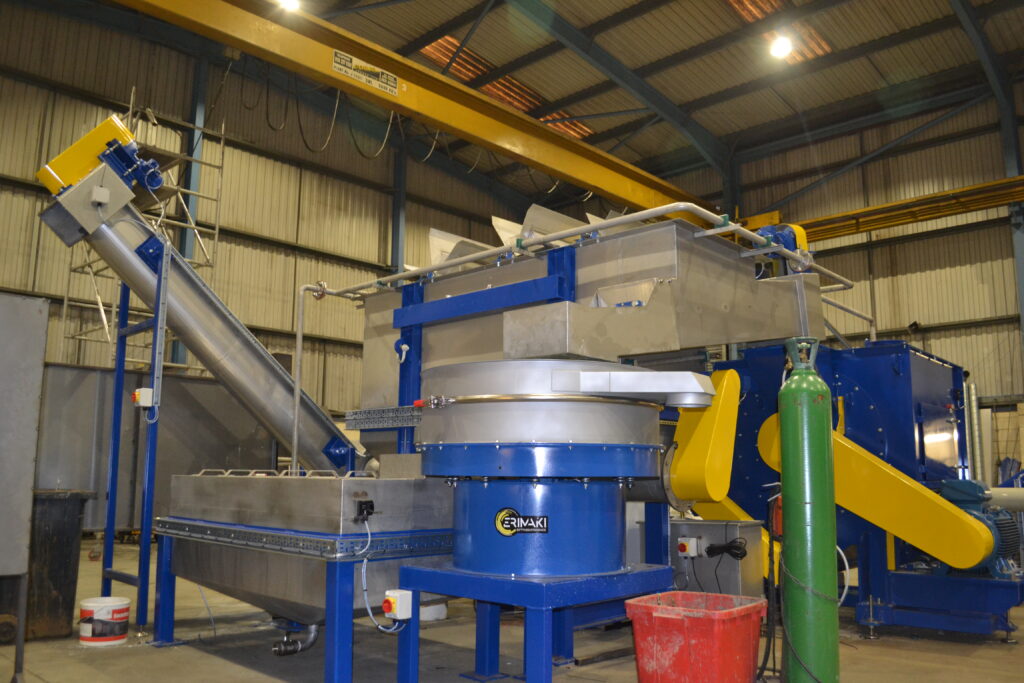
The process begins with size reduction, where incoming plastic is shredded and granulated to produce a consistent particle size. Uniform feed material directly improves washing efficiency, separation accuracy, and downstream drying performance. Poor size control leads to uneven cleaning and increased contamination carryover.
Plastic Size Reduction Equipment for Recycling
https://plasticwashing.co.uk/size-reduction/
High-Energy Washing and Friction Cleaning
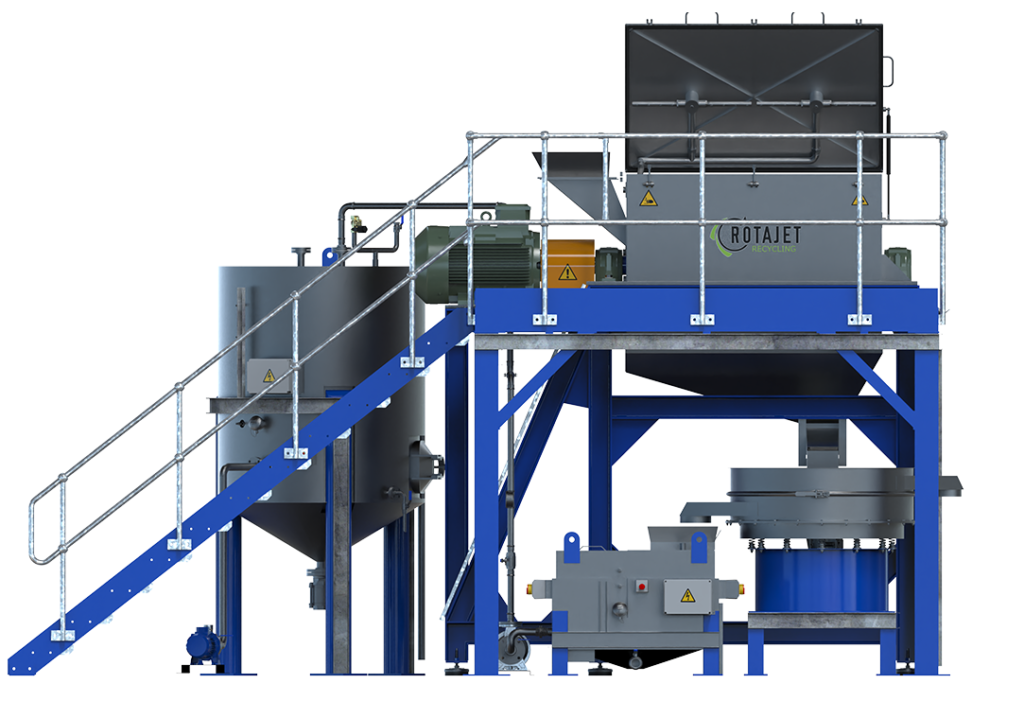
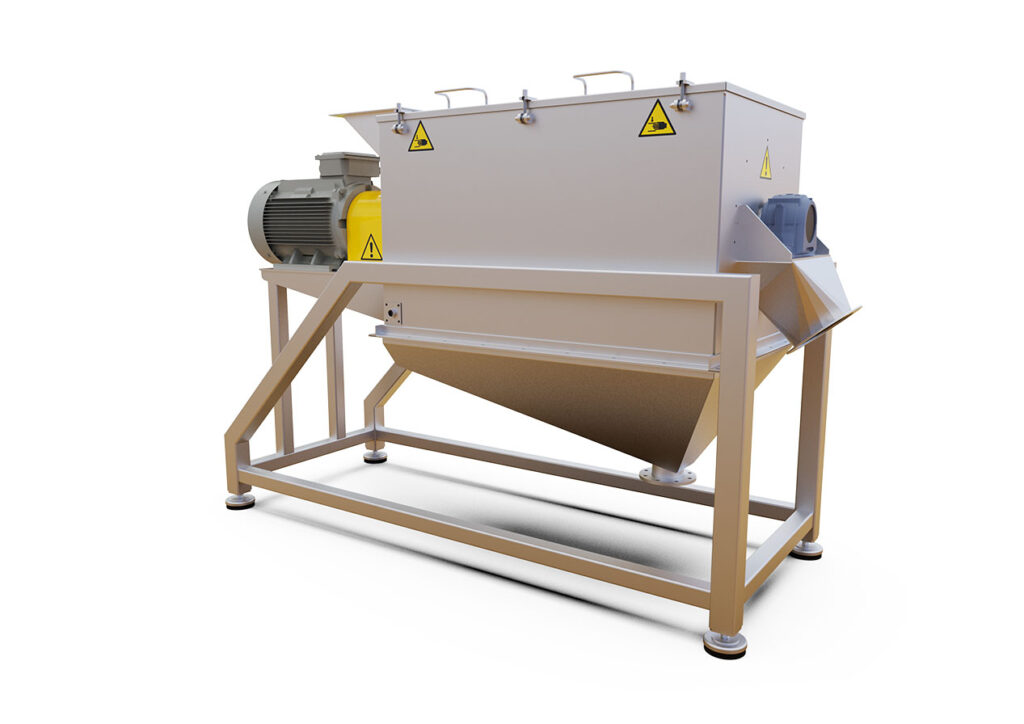
Once size-reduced, material enters the washing stage. High-energy friction washing removes labels, food residues, oils, and ingrained dirt through mechanical action rather than relying solely on chemicals. This approach delivers cleaner flakes while reducing chemical consumption and operating cost.
Plastic Washers & Friction Washers
https://plasticwashing.co.uk/washers/
Density Separation and Contaminant Removal
After washing, plastics pass through sink–float separation, where materials are separated by density. This stage removes unwanted polymers, fines, and residual contamination, producing a consistent output suitable for extrusion or pelletising.
Water Management and Closed-Loop Operation
Modern plastic washing lines increasingly operate with closed-loop water systems. Integrated filtration and fines removal allow wash water to be reused, significantly reducing fresh water consumption and effluent discharge.
Dewatering and Final Conditioning
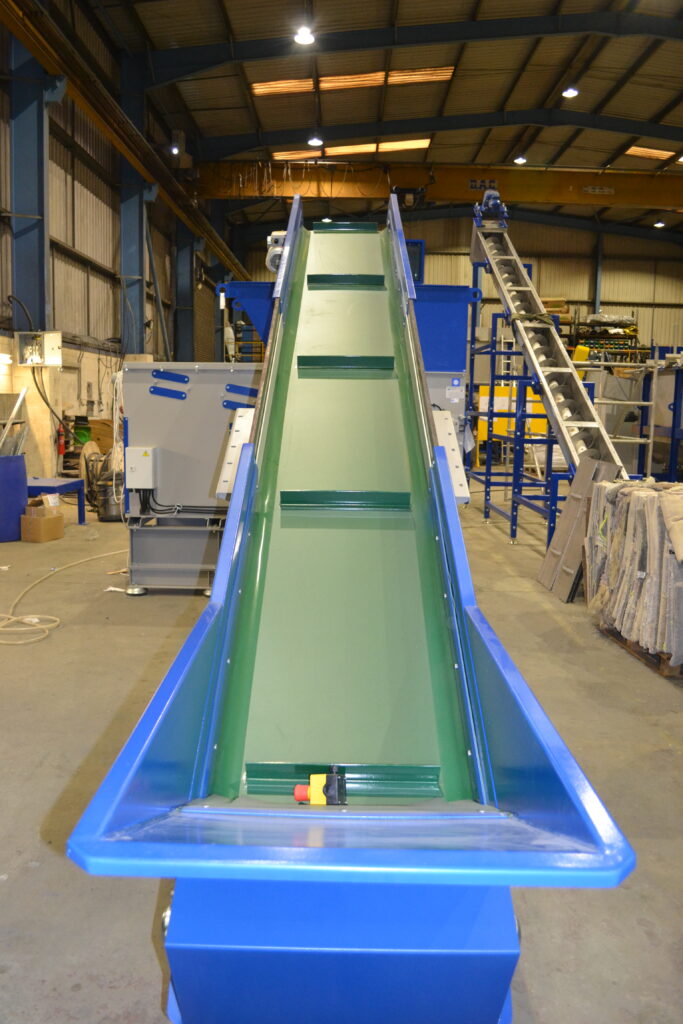
Mechanical dewatering and thermal drying reduce moisture content, producing clean, free-flowing plastic flakes ready for reuse or further processing.
Typical Applications for Plastic Washing Lines
- Post-consumer food packaging
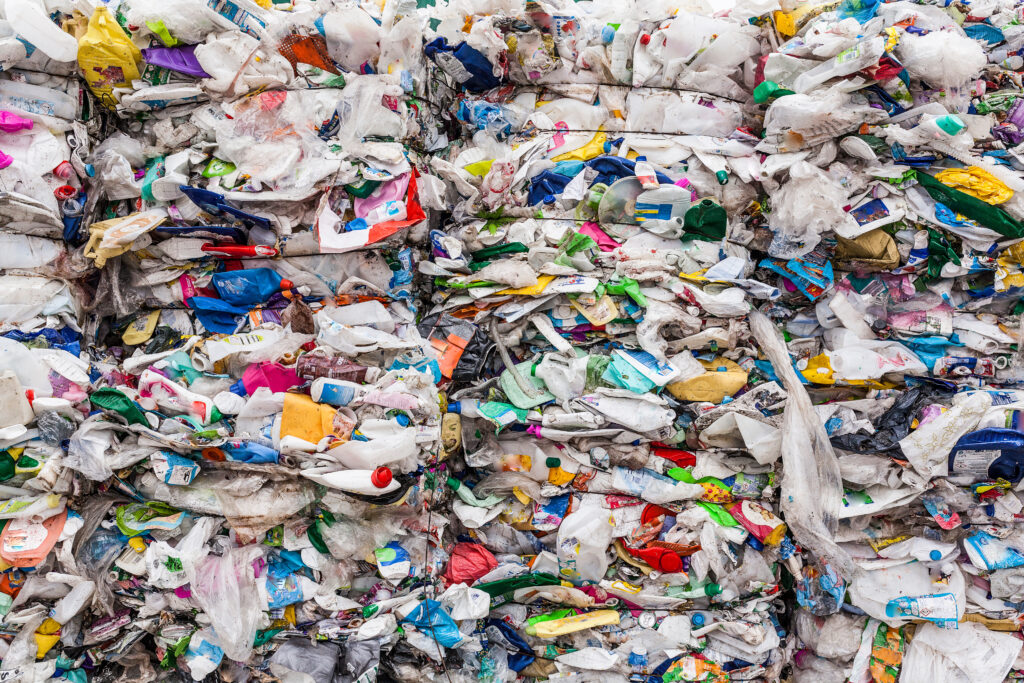
- Film and rigid mixed plastics
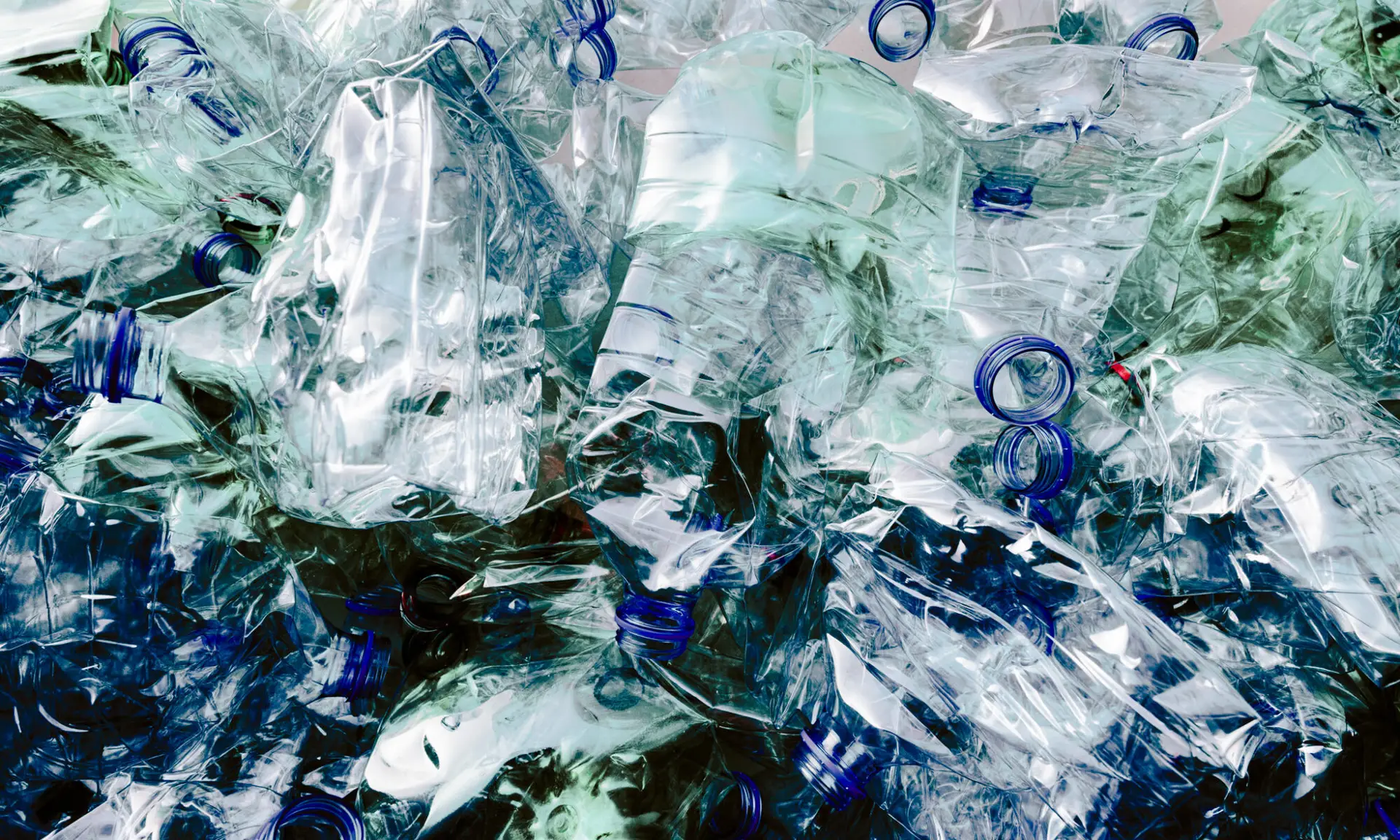
- HDPE, PP, and PET flakes
- Heavily contaminated plastics from depackaging
Common Plastic Washing Line Design Mistakes
- Under-sizing size reduction before washing
- Relying on chemicals instead of mechanical cleaning
- Ignoring water recirculation and fines management
Avoiding these issues is critical to achieving consistent output quality and stable operation.
At Rotajet Systems Ltd, plastic washing lines are engineered as complete process systems—covering size reduction, washing, separation, and water management—based on real contamination levels and throughput requirements rather than generic layouts.
Frequently Asked Questions
How does a plastic washing line improve recyclate quality?
By combining size reduction, friction washing, separation, and controlled water management to remove contaminants consistently.
What contamination can a plastic washing line remove?
Food residues, labels, oils, dirt, fines, and incompatible polymers.
Is size reduction essential before plastic washing?
Yes. Consistent particle size is critical for effective washing and separation.
How much water does a plastic washing line use?
Modern systems use closed-loop water circuits to minimise consumption and effluent.
Can plastic wash lines be integrated into existing plants?
Yes. Modular washing lines can be integrated into new or existing recycling facilities.