High Speed Washing

How Plastic Recyclers Can Improve Material Quality and Increase Throughput

As demand for recycled plastics continues to grow, recyclers face increasing pressure to produce cleaner material while maintaining high production rates. Contamination remains one of the biggest challenges in plastic recycling, affecting material quality, processing efficiency and the value of the finished product. This is where high speed washing technology plays a critical role.

Modern high speed washing systems are designed to remove contaminants from plastic flakes quickly and efficiently, helping recyclers improve product quality while increasing throughput and reducing operating costs. Whether processing HDPE, LDPE, PP, PET, rigid plastics or industrial packaging waste, an effective washing stage can significantly enhance the performance of an entire recycling line.
high speed washing

What Is High Speed Washing?

High speed washing is a mechanical cleaning process that uses friction, water and centrifugal force to remove contaminants from plastic material.

Unlike conventional washing methods that rely primarily on soaking or rinsing, a high speed washer aggressively scrubs the surface of plastic flakes. As material moves through the machine, rotating paddles create friction between the plastic particles and water, helping to dislodge dirt, labels, adhesives, oils, food residues and other contaminants.

The result is cleaner material entering the next stage of the recycling process.


Why High Speed Washing Is Important

The quality of recycled plastic is directly linked to the effectiveness of the washing process.

If contaminants remain on the material, they can create problems during extrusion, pelletising and final product manufacturing. Poorly cleaned plastics may lead to reduced product quality, increased machine wear and lower market value for the recycled material.

Implementing a dedicated high speed washing stage allows recyclers to:

  • Improve contamination removal
  • Produce higher-quality recycled plastics
  • Increase throughput rates
  • Reduce downstream processing issues
  • Improve drying efficiency
  • Enhance the value of recycled material
  • Reduce waste and product rejection

For many recycling facilities, investing in improved washing technology can deliver significant long-term operational benefits.


How High Speed Plastic Washers Work

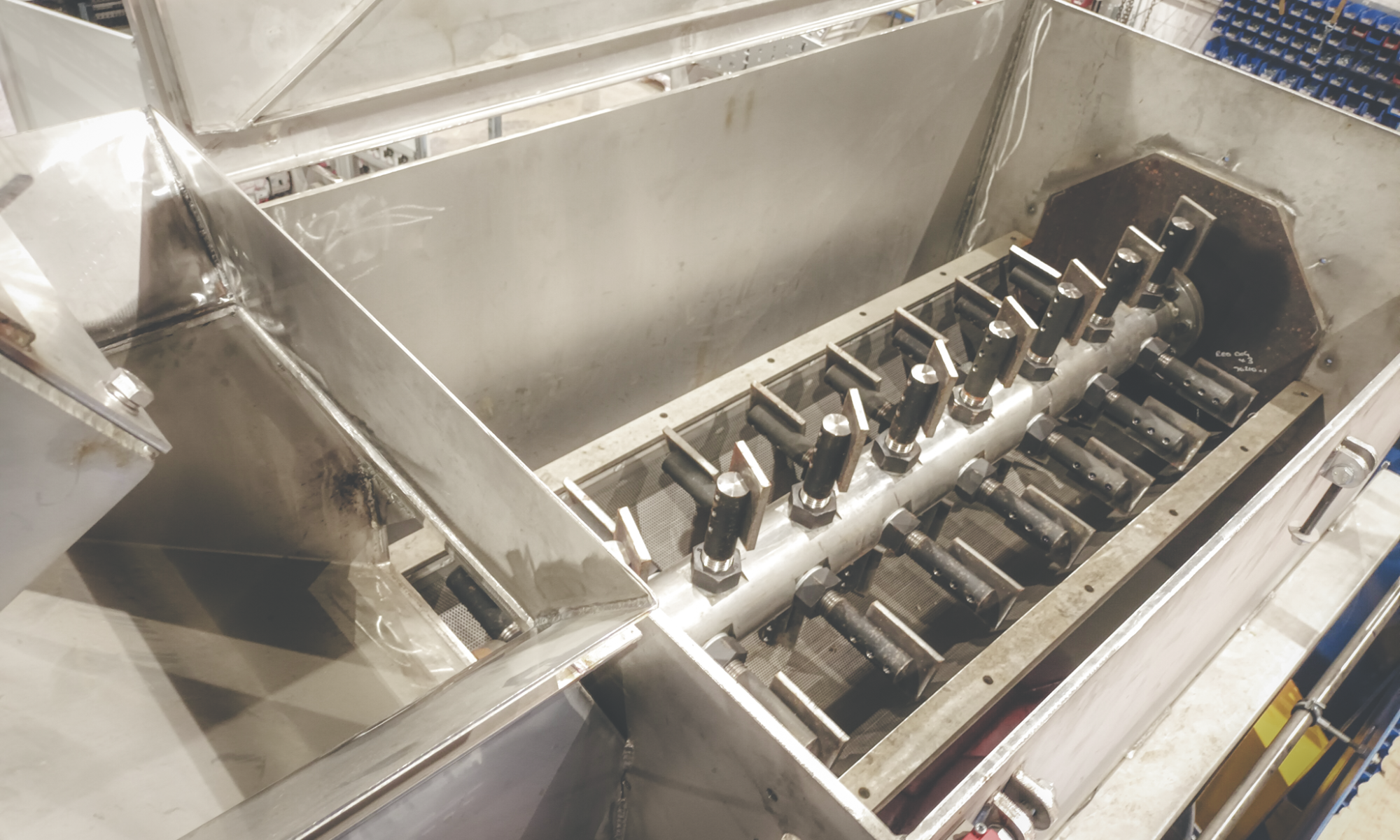
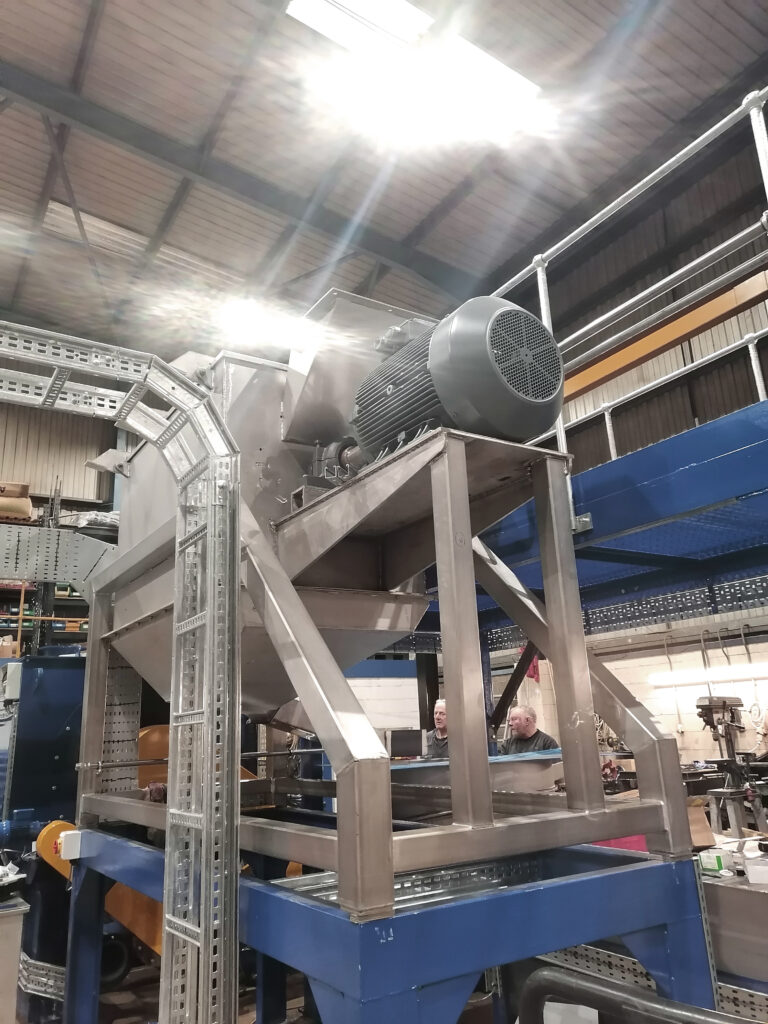
A high speed plastic washer typically consists of a rotating shaft fitted with multiple paddles enclosed within a robust housing.
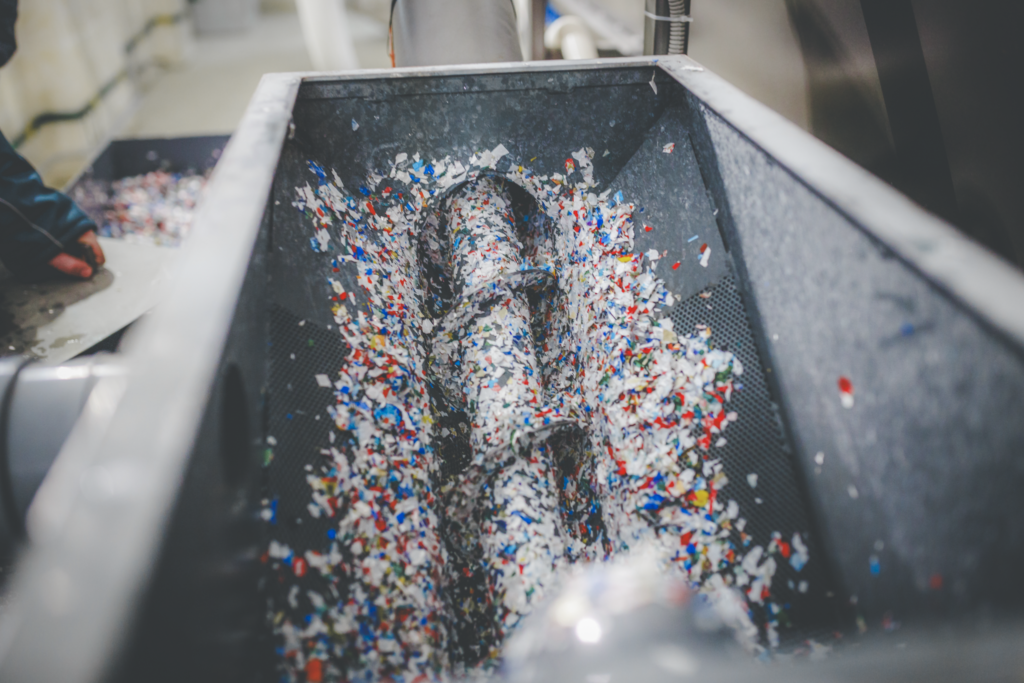
As plastic flakes enter the machine, they are accelerated through the washing chamber where friction and turbulence help separate contamination from the material surface. Water introduced into the process assists with contaminant removal while carrying loosened particles away from the plastic.

The combination of mechanical action and water washing creates an intensive cleaning environment capable of handling heavily contaminated materials.

Following the high speed washing stage, the material can move to additional separation, rinsing, dewatering and drying processes depending on the application.


Suitable Applications for High Speed Washing

High speed washing systems are widely used throughout the plastics recycling industry and can process a broad range of materials.

Typical applications include:

Rigid Plastics

Contaminated rigid plastic containers often contain dirt, labels and residual product. High speed washing helps prepare these materials for further processing.

Plastic Bottles

Bottle recycling operations frequently use high speed washing to remove adhesives, paper labels and surface contamination before pelletising.

Industrial Packaging

Drums, containers and industrial packaging waste can accumulate significant contamination during use. Intensive washing improves the quality of the recovered plastic.

Production Scrap

Manufacturing waste often requires cleaning before reprocessing. High speed washing can help ensure a consistent feedstock for reuse.

Mixed Plastic Streams

Where multiple material types are processed, effective washing becomes essential for maintaining product quality and improving separation efficiency.

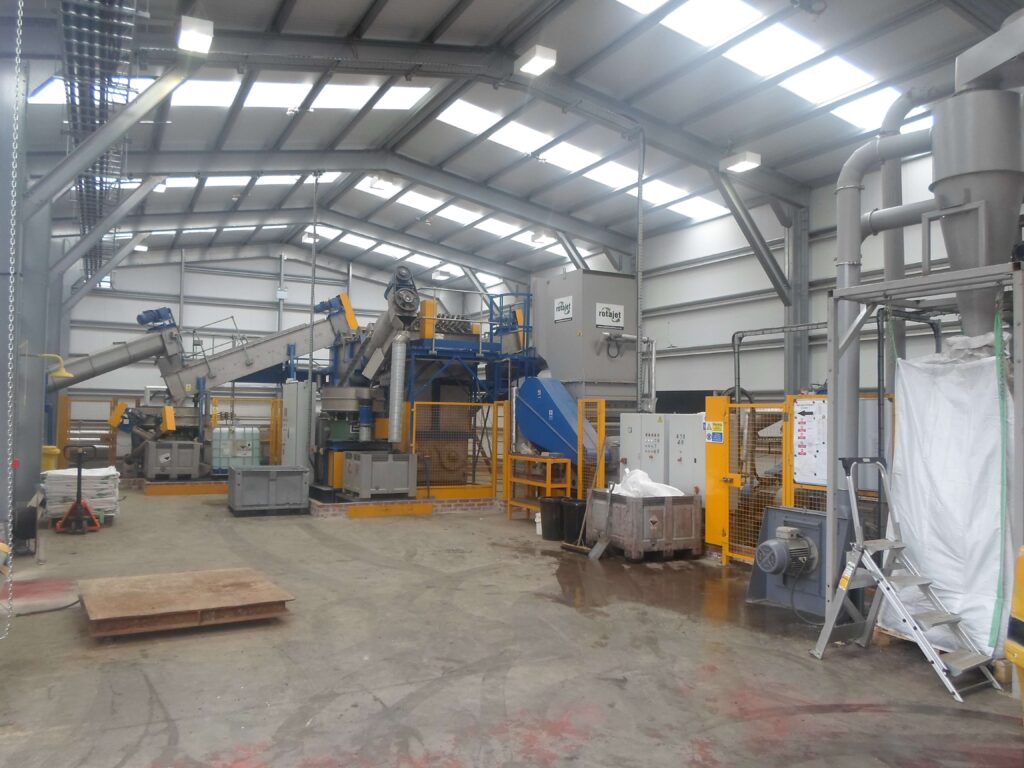
Integrating High Speed Washing into a Recycling Line

While standalone machines can deliver significant benefits, the greatest results are often achieved when high speed washing is integrated into a complete recycling system.
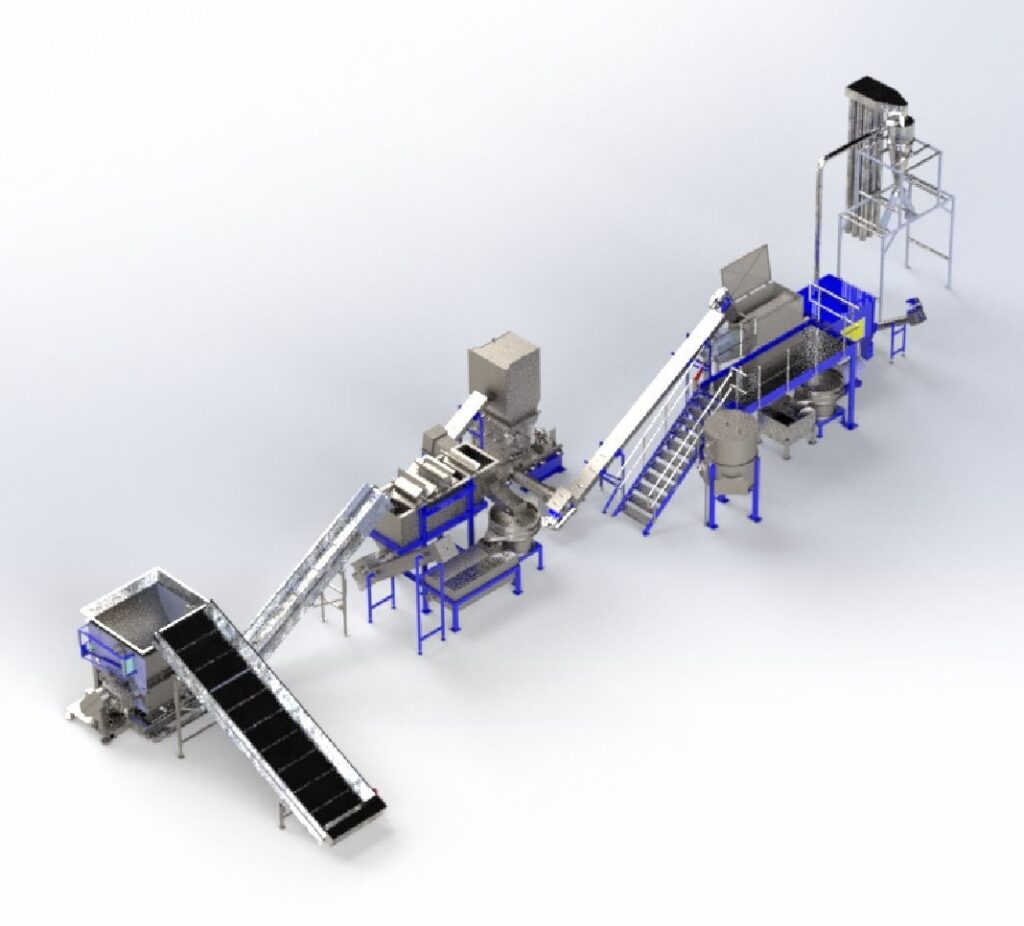
A typical plastic recycling line may include:

  • Shredding or granulation
  • Pre-washing
  • High speed washing
  • Sink-float separation
  • Hot washing (where required)
  • Rinsing
  • Dewatering
  • Drying
  • Material handling and storage

Each stage contributes to the overall effectiveness of the process, ensuring contaminants are removed while preserving material quality.

By integrating equipment throughout the line, recyclers can achieve greater automation, improved consistency and higher throughput.


Why Choose Rotajet High Speed Plastic Washers?

Rotajet designs and manufactures recycling equipment for a wide range of plastic processing applications. Our high speed plastic washers are engineered to provide effective contamination removal while maintaining reliable, continuous operation.

Key benefits include:

  • Heavy-duty industrial construction
  • High throughput capability
  • Efficient contaminant removal
  • Reduced maintenance requirements
  • Integration with complete recycling systems
  • Support for a wide range of plastic materials

Whether you require a standalone washer or a complete recycling plant, our engineering team can develop a solution tailored to your material and production requirements.


Free Material Trials

The best way to evaluate a recycling process is to test your own material.

Rotajet offers free material trials, allowing our engineers to assess contamination levels, washing requirements and expected performance before recommending the most suitable solution.

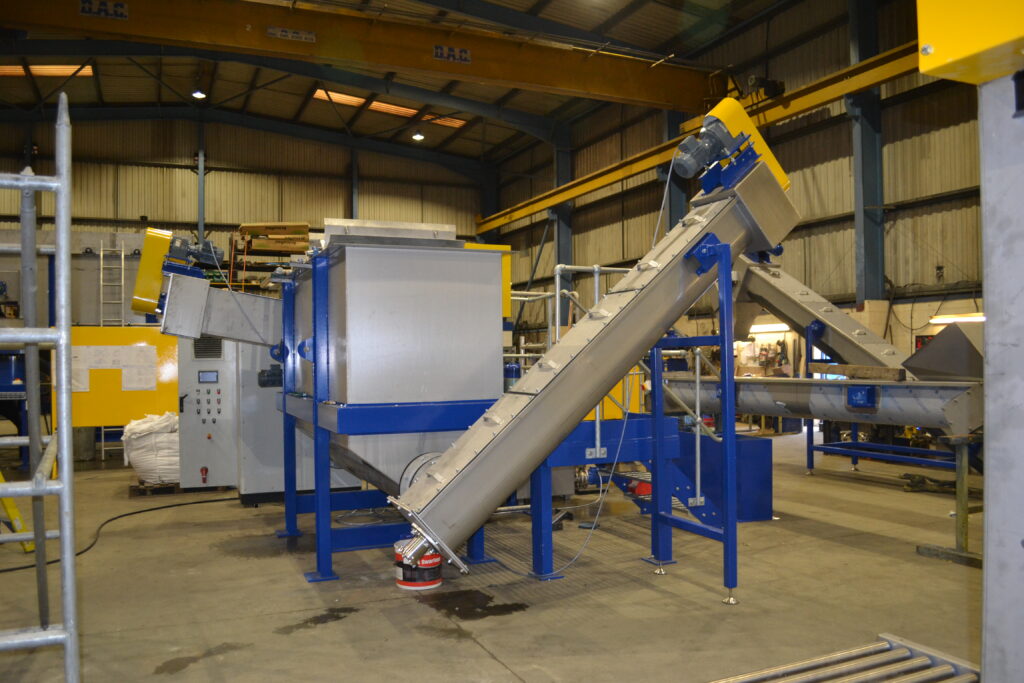
Industrial Plastic Washing Plant UK

Rotajet High-Performance Film & Rigid Recycling Systems

Rotajet Systems Ltd designs and manufactures industrial plastic washing systems in the UK for recycling operators worldwide. Rotajet plastic washing plants are engineered specifically for high-contamination post-consumer and commercial waste streams โ€” not ideal laboratory conditions.

Plastic washing

Plastic recycling profitability is no longer determined by bale price โ€” it is determined by wash quality, contamination reduction and moisture control.

Contaminated plastics frequently contain:

  • Organic residue
  • Oils and fats
  • Adhesives and labels
  • Paper fibre
  • Moisture levels exceeding 40โ€“50%

Material quality standards promoted by WRAP and the British Plastics Federation continue to push recyclers toward higher-grade outputs and improved material consistency.

To compete, operators require industrial-grade plastic washing equipment built for real-world feedstock.


Why Many Plastic Washing Lines Underperform

Low-energy wash tanks alone cannot:

  • Remove bonded oils and food residues
  • Break down adhesive contamination
  • Reduce moisture efficiently
  • Prevent film wrapping and blockages
  • Deliver extrusion-grade flake

Plastic streams can contain 50%+ moisture and significant organic contamination. Without aggressive friction washing and controlled dewatering, output quality remains downgraded.

Rotajet plastic washing systems are designed specifically to solve this.


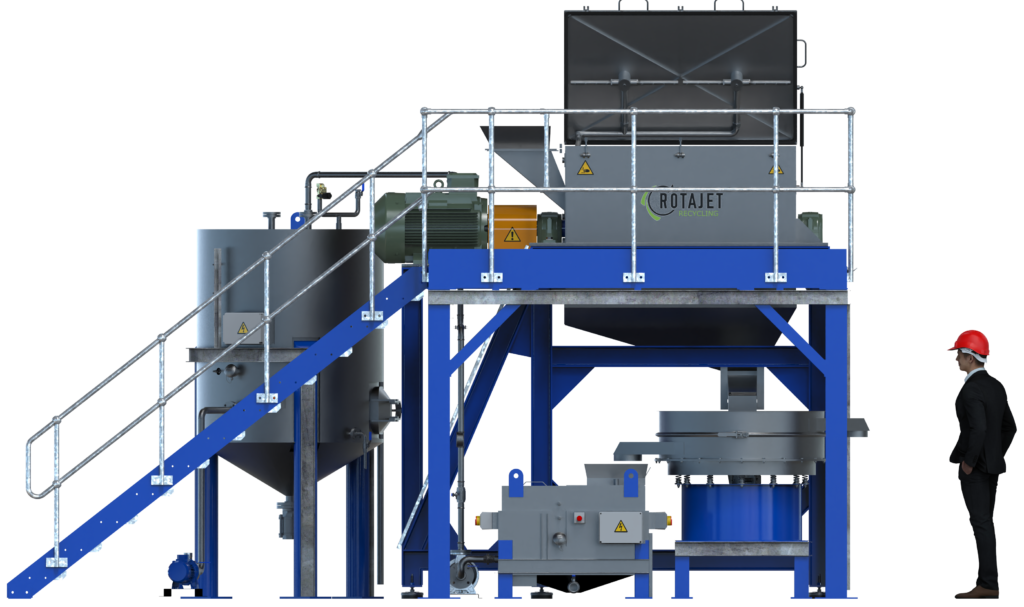
Complete Rotajet Plastic Washing Line Design

A high-performance industrial plastic washing plant must operate as a fully integrated system.

Size Reduction & Opening

Precision shredding increases surface exposure and prepares film and rigid plastics for effective cleaning.

Size reduction systems:
https://plasticwashing.co.uk/size-reduction/

Typical throughput range:
500 kg/hr to 5 tonnes per hour

High-Intensity Friction Washing โ€“ RJ-Turbo

The core contamination removal stage.

The Rotajet RJ-Turbo friction washer operates at 800โ€“1,200 RPM, generating intense mechanical shear by forcing plastics against a perforated basket and against each other.

This process:

  • Strips oils and surface residue
  • Breaks adhesive bonds
  • Removes organic contamination
  • Improves downstream separation
  • Upgrades flake value

Rotajet RJ-Turbo friction washer:
https://plasticwashing.co.uk/rj-turbo/

This is the stage that transforms contaminated waste into commercially viable recycled polymer.


Sink-Float Separation

Density-based separation isolates polymer fractions and removes heavier contaminants.

Rotajet sink-float systems:
https://plasticwashing.co.uk/sink-float-separation/


Mechanical & Thermal Drying

Rotajet centrifugal dryers reduce moisture to:

  • 8โ€“15% after mechanical stage
  • <3% prior to extrusion (with final drying)

Rotajet mechanical dryers:
https://plasticwashing.co.uk/mechanical-dryers/

Lower moisture = lower energy cost and improved pellet quality.


Closed-Loop Water Systems

Rotajet plastic wash plants integrate filtration and recirculation to:

  • Reduce fresh water demand
  • Minimise effluent discharge
  • Lower operating costs
  • Improve sustainability metrics

Aligned with environmental compliance expectations from UK Government.


Technical Performance Benchmarks

ParameterRotajet Industrial Range
Throughput0.5 โ€“ 5 t/hr
Film CompatibilityLDPE, LLDPE, PP film
Rigid PlasticsHDPE, PP, PET trays
Rotor Speed800โ€“1,200 RPM
Moisture Reduction50%+ to <15% mechanical
Final Moisture<3% before extrusion
Water SystemClosed-loop filtration


Why Choose Rotajet Plastic Washing Systems?

Rotajet Systems Ltd manufactures plastic washing equipment in the UK with full design, build, installation and after-sales capability.

Rotajet systems are engineered for:

  • High-contamination waste streams
  • Modular scalability
  • Retrofit integration
  • Heavy-duty industrial duty cycles
  • Long-term operational reliability

From a single Rotajet friction washer to a complete industrial plastic washing plant, Rotajet provides:

  • Engineering design
  • UK manufacture
  • Installation & commissioning
  • Service & spare parts support

This ensures recyclers are not dependent on overseas suppliers for long-term plant reliability.


Plastic Washing Plant UK โ€“ Engineered for Integration

Operators searching for plastic washing plant UK require:

  • Footprint optimisation
  • Retrofit capability
  • Electrical compatibility
  • Water management integration
  • Reliable UK technical support

Rotajet plastic washing systems are modular, allowing phased investment and scalable expansion as throughput grows.


How Much Does a Rotajet Plastic Recycling Line Cost?

Cost depends on:

  • Required throughput
  • Contamination severity
  • Automation level
  • Water treatment configuration
  • Drying specification

Modular system design allows recyclers to start with core friction washing before expanding to a full plastic washing plant.


FAQ

Who manufactures plastic recycling plants in the UK?

Rotajet Systems Ltd designs and manufactures industrial plastic washing plants in the UK for recycling operators worldwide.

What is the best method for washing contaminated plastic film?

High-speed friction washing combined with density separation and mechanical drying provides the most effective cleaning.

What moisture level is required before extrusion?

Typically below 3% moisture for stable pelletising.

What throughput can Rotajet plastic recycling systems handle?

Systems range from 500 kg/hr up to 5 tonnes per hour depending on configuration.


Visit Plastic Washing to learn more, or get in contact with us.

Why Plastic Washing Drives Recycling Value

Plastic washing is a critical value-adding stage in plastic recycling. This process directly impacts material cleanliness, reusability and compliance with modern packaging regulations. As brand owners, regulators and reprocessors demand higher recycled content and tighter quality specifications; effective plastic washing has become essential for achieving commercially viable recyclable material.

Post-consumer and post-industrial plastics are commonly contaminated with food residues, oils, greases, labels, inks, fibres and ground-in dirt. Without efficient washing, these contaminants lead to odour issues, colour variation, extrusion defects and rejection by end markets.

Advanced plastic washing systems remove these contaminants, enabling recycled plastics to be reused in higher-value applications.


Friction Washers use in Plastic Washing

High-intensity friction washing plays a central role in this process. The RJ-Turbo friction washer, is designed to deliver aggressive mechanical cleaning while remaining flexible across multiple plastic waste streams.

  • Dry washing mode allows the RJ-Turbo to operate as a dry friction washer, removing fibres, dust, paper, labels and loose debris while minimising water consumption.
  • Wet washing mode converts the RJ-Turbo into a high-performance plastic washer, using heated water and specialist cleaning chemicals to remove food contamination, oils and ingrained dirt.
Plastic Washing

Friction washers such as the RJ-Turbo are widely used in PET bottle recycling, HDPE and PP rigid packaging recycling, film washing lines and mixed plastics recovery.


The Importance of Plastic Washing

According to WRAP, the UK handles several million tonnes of plastic packaging waste annually, with contamination identified as a major barrier to higher recycling rates.
https://www.wrap.org.uk/resources/report/plastics-market-situation-report

Global stances on Recycling Plastics

The European Commission is driving higher recycling performance through the Packaging and Packaging Waste Directive and the Circular Economy Act. Both of which place a strong emphasis on material quality and recycled content.
https://environment.ec.europa.eu/topics/waste-and-recycling/packaging-waste_en
https://environment.ec.europa.eu/strategy/circular-economy_en

Industry bodies such as Plastics Europe and British Plastics Federation also highlight washing and decontamination as key enablers for increasing recycled plastic use:
https://plasticseurope.org
https://www.bpf.co.uk/

By investing in advanced plastic washing and friction washer technology such as the RJ-Turbo, recyclers can reduce rejects, meet evolving packaging regulations and significantly increase the value and marketability of recycled plastics.

Visit https://plasticwashing.co.uk/ to learn more or get in touch

FAS ENQUIRY FORM

    JOIN OUR MAILING LIST